If you’ve dabbled in cryptocurrency or heard the buzz around blockchain technology, chances are Ethereum has crossed your radar. But what exactly is it? Is it just another digital currency competing with Bitcoin, or is there something more beneath the surface?
Ethereum is a decentralised, open-source blockchain platform that goes far beyond simple peer-to-peer payments. Launched in 2015, it’s designed to support smart contracts, decentralised applications (dApps), decentralised finance (DeFi), non-fungible tokens (NFTs), and a host of other innovations that are reshaping how we think about money, ownership, and trust on the internet. While Bitcoin paved the way for digital cash, Ethereum built a programmable foundation for an entirely new digital economy.
Whether you’re curious about how Ethereum works, what makes it different from Bitcoin, or how you can get started, this guide will walk you through everything you need to know, from the basics to the practical applications transforming industries worldwide.
Key Takeaways
- Ethereum is a decentralised blockchain platform that enables smart contracts, decentralised applications (dApps), DeFi, and NFTs, going far beyond simple cryptocurrency transactions.
- Unlike Bitcoin, which functions primarily as digital cash, Ethereum provides a programmable foundation for building an entire decentralised digital economy.
- Ether (ETH) serves as both Ethereum’s native currency and the fuel powering network operations, with users paying gas fees to validators who process transactions.
- Ethereum transitioned to Proof-of-Stake in 2022, reducing energy consumption by 99.95% whilst improving security and scalability for future growth.
- Getting started with Ethereum requires purchasing ETH through an FCA-registered exchange and securing your assets in a wallet, enabling you to explore DeFi, NFTs, and the broader Web3 ecosystem.
Understanding Ethereum: More Than Just a Cryptocurrency
At first glance, Ethereum might look like just another cryptocurrency. After all, it has its own digital coin, Ether (ETH), that you can buy, sell, and trade. But that’s where the comparison ends.
Ethereum was founded in 2015 by Vitalik Buterin, alongside a team of developers who envisioned something far more ambitious than a digital alternative to cash. They wanted to create a platform where developers could build decentralised applications and programmable agreements, known as smart contracts, without relying on centralised intermediaries like banks, governments, or corporations.
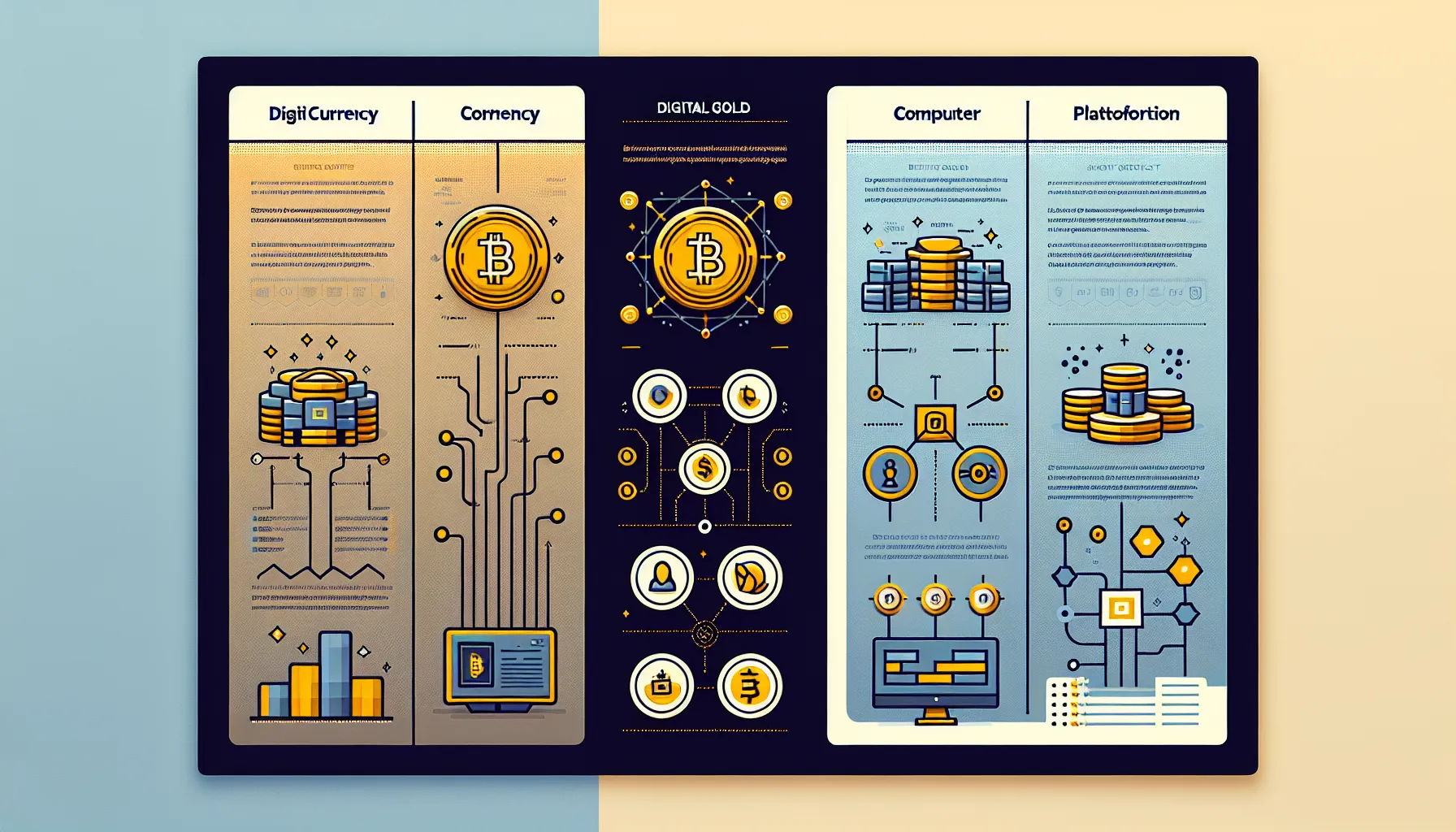
Think of Bitcoin as digital gold, a store of value and medium of exchange. Ethereum, on the other hand, is more like a global, decentralised computer. It provides the infrastructure for developers to create applications that run autonomously, transparently, and securely on a blockchain. From decentralised finance platforms to digital art marketplaces, Ethereum has become the backbone of the Web3 movement, enabling innovations that were practically impossible just a decade ago.
This flexibility and programmability set Ethereum apart, making it not just a cryptocurrency, but a platform for building the decentralised future.
How Does Ethereum Work?

Ethereum operates on blockchain technology, a public, distributed ledger that records every transaction and interaction on the network. But unlike traditional databases controlled by a single entity, Ethereum’s blockchain is maintained by thousands of participants (nodes) spread across the globe. Each node stores a complete copy of the blockchain, ensuring transparency, security, and resistance to censorship.
When someone initiates a transaction or interacts with a smart contract on Ethereum, that action is broadcast to the network. Validators then verify the transaction using computational power, bundling it with others into a new block. Once validated, the block is cryptographically linked to the previous one, forming an unbreakable chain of records, hence the term “blockchain.”
What makes Ethereum particularly powerful is its ability to execute code on the blockchain itself. This means it’s not just tracking who sent what to whom: it’s running programmes, enforcing rules, and automating agreements in a trustless environment. No central authority oversees these operations, yet everything works seamlessly thanks to the network’s consensus mechanisms and cryptographic security.
The Ethereum Blockchain Explained
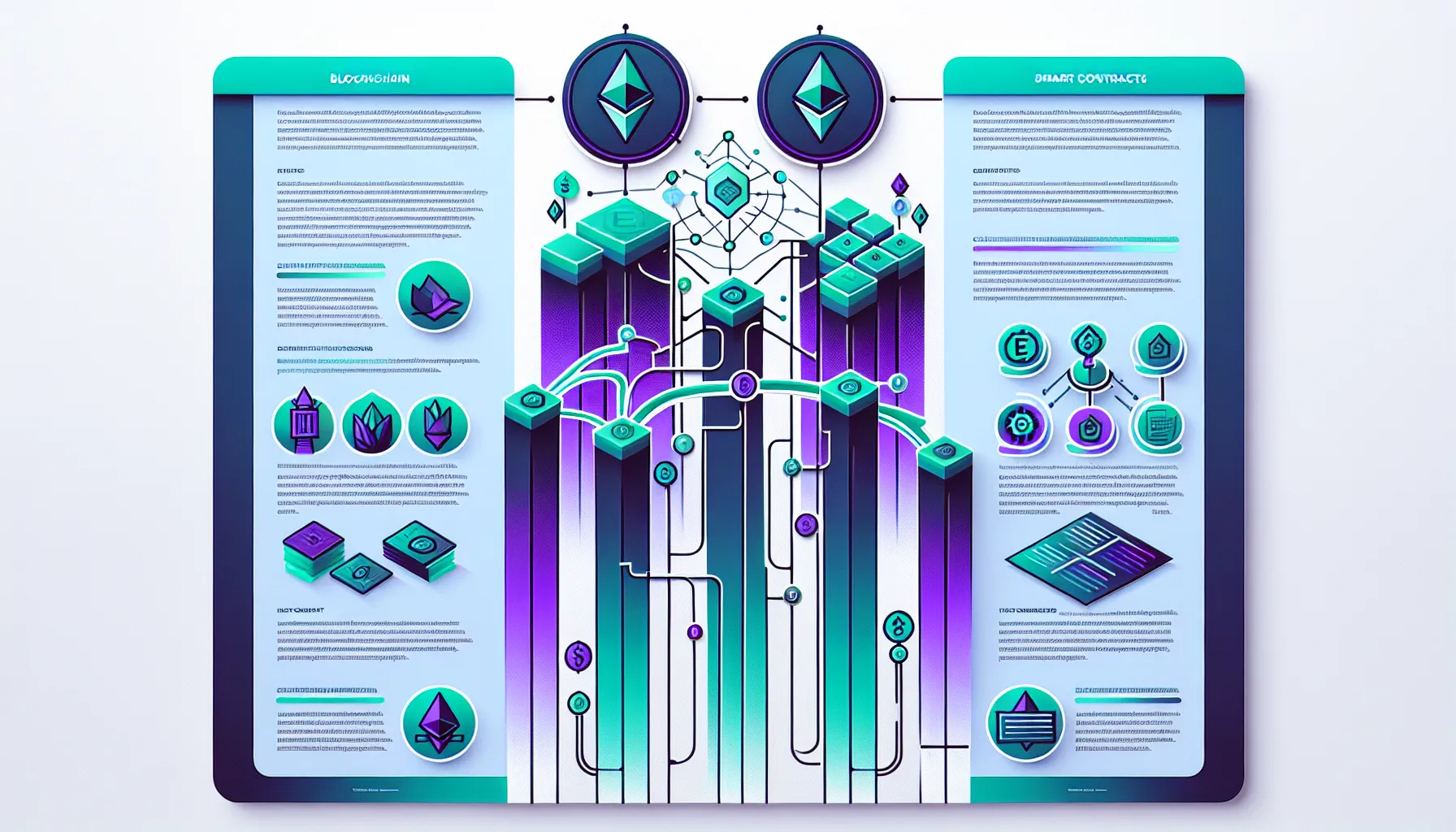
The Ethereum blockchain is essentially a continuously growing ledger of every action taken on the network. Each block contains a batch of transactions, contract executions, and data storage operations. These blocks are timestamped and linked together using cryptographic hashes, creating a tamper-proof historical record.
Every participant in the Ethereum network has access to this ledger, meaning anyone can verify transactions independently. This transparency is one of blockchain’s greatest strengths, it eliminates the need to trust a middleman because the data is publicly verifiable.
Each block also references the previous block’s hash, creating a chain. If anyone tried to alter a past transaction, it would change the hash of that block, breaking the chain and alerting the entire network to the tampering attempt. This design makes Ethereum incredibly secure and reliable, even in a trustless, decentralised environment.
Smart Contracts: The Foundation of Ethereum
Smart contracts are the beating heart of Ethereum. They’re self-executing pieces of code stored on the blockchain that automatically enforce the terms of an agreement when predefined conditions are met. Think of them as digital vending machines: you input the right conditions (insert coin, press button), and the contract executes the result (dispenses snack) without needing a human intermediary.
Unlike traditional contracts that require lawyers, courts, or mediators to enforce, smart contracts operate autonomously. Once deployed on Ethereum, they can’t be altered or stopped, they run exactly as programmed, every time.
This technology underpins nearly every innovation on Ethereum. DeFi platforms use smart contracts to help loans, trades, and interest payments without banks. NFT marketplaces rely on them to verify ownership and transfer digital assets. Even decentralised autonomous organisations (DAOs) use smart contracts to govern decision-making processes without centralised leadership.
Smart contracts opened the door to programmable money and trustless coordination, making Ethereum a fertile ground for experimentation and innovation.
Ether (ETH): Ethereum’s Native Currency
Ether, commonly abbreviated as ETH, is Ethereum’s native cryptocurrency. But unlike Bitcoin, which primarily serves as digital money, Ether plays a dual role: it’s both a tradable digital asset and the fuel that powers the Ethereum network.
Every action on Ethereum, whether sending ETH, executing a smart contract, or minting an NFT, requires computational resources. To compensate validators who maintain the network and process transactions, users pay transaction fees, known as “gas fees,” in Ether. The more complex the operation, the higher the gas fee.
This system ensures that the network remains secure and that validators have an economic incentive to participate honestly. Without ETH, the Ethereum ecosystem simply wouldn’t function.
Beyond its utility, Ether has also become a popular investment and store of value. As Ethereum’s adoption grows, so does the demand for ETH, making it one of the largest cryptocurrencies by market capitalisation. You can buy, sell, trade, and even stake ETH to earn rewards, making it a versatile asset in the crypto landscape.
What Makes Ethereum Different From Bitcoin?
Bitcoin and Ethereum are often mentioned in the same breath, but they’re fundamentally different technologies with distinct goals.
Bitcoin was created in 2009 as a peer-to-peer digital cash system, a decentralised alternative to traditional money. Its scripting language is intentionally limited to ensure security and predictability, which makes it excellent for storing and transferring value but less suited for complex applications.
Ethereum, launched six years later, was built with programmability at its core. Its flexible scripting language allows developers to create smart contracts and decentralised applications, opening the door to innovations like DeFi, NFTs, and decentralised governance.
Here’s a quick comparison:
| Ethereum | Bitcoin |
|---|---|
| Smart contracts, dApps, DeFi, NFTs | Peer-to-peer digital cash |
| Programmable, flexible blockchain | Limited scripting: non-programmable |
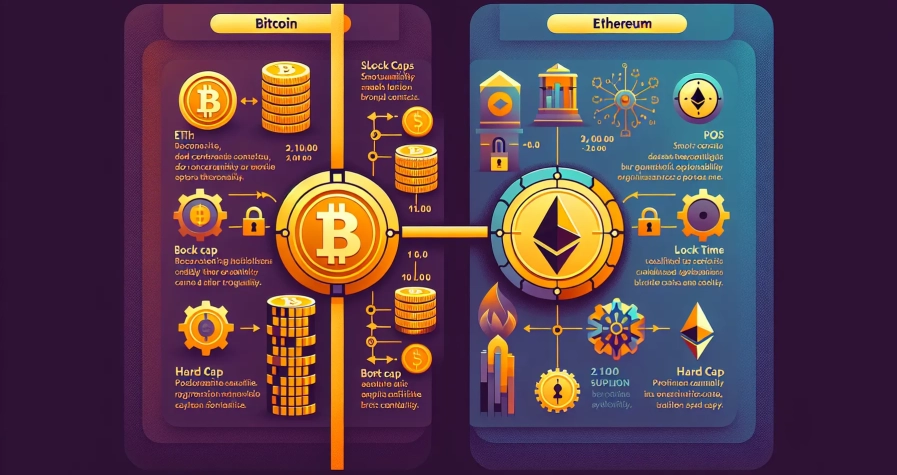
| Transitioned to energy-efficient Proof-of-Stake | Still uses energy-intensive Proof-of-Work |
Another major difference lies in their consensus mechanisms. Bitcoin still relies on Proof-of-Work (PoW), an energy-intensive process where miners compete to solve complex mathematical puzzles. Ethereum, but, transitioned to Proof-of-Stake (PoS) in 2022, drastically reducing its energy consumption and increasing transaction throughput.
Both blockchains are revolutionary in their own right, but Ethereum’s versatility and programmability make it the platform of choice for builders creating the decentralised applications of tomorrow.
What Can You Do With Ethereum?
Ethereum’s programmability opens up a world of possibilities that go far beyond simple money transfers. Here are some of the most popular and impactful use cases:
You can send and receive Ether (ETH) to anyone, anywhere in the world, without needing a bank or payment processor. Transactions are fast, secure, and borderless.
But the real magic happens when you interact with Ethereum’s ecosystem of decentralised applications and services. Whether you’re interested in finance, art, gaming, or governance, Ethereum offers tools and platforms that put control back in the hands of users.
Decentralised Applications (dApps)
Decentralised applications, or dApps, are programmes that run on the Ethereum blockchain rather than on centralised servers. Because they’re powered by smart contracts, dApps are censorship-resistant, transparent, and operate without a single point of failure.
You’ll find dApps in nearly every sector: finance, gaming, social media, supply chain management, and more. Popular examples include Uniswap (a decentralised exchange), Aave (a lending protocol), and Axie Infinity (a blockchain-based game).
What makes dApps compelling is that they remove intermediaries. You interact directly with the application’s smart contracts, which execute transparently and automatically. There’s no company that can shut down your account, alter the rules, or misuse your data.
Decentralised Finance (DeFi)
Decentralised Finance, or DeFi, is one of Ethereum’s most transformative applications. DeFi protocols offer financial services, lending, borrowing, trading, earning interest, without traditional banks or intermediaries.
Anyone with an internet connection can access DeFi platforms, regardless of location or credit history. You can lend your ETH to earn interest, borrow against your crypto holdings, trade tokens on decentralised exchanges, or participate in liquidity pools to earn rewards.
Because DeFi runs on smart contracts, it’s transparent, permissionless, and operates 24/7. There are no gatekeepers, no lengthy approval processes, and no hidden fees, just code that executes exactly as programmed. DeFi has grown into a multi-billion-pound industry, offering a glimpse of what a truly open financial system could look like.
NFTs and Digital Ownership
Non-fungible tokens, or NFTs, have exploded in popularity over the past few years, and Ethereum is the primary blockchain powering them. NFTs are unique digital assets that represent ownership of items like art, music, virtual real estate, collectibles, and more.
Unlike cryptocurrencies, which are fungible (one Bitcoin is identical to another), NFTs are one-of-a-kind. Each token has a unique identifier stored on the blockchain, proving authenticity and ownership.
Artists, musicians, and creators use Ethereum to mint and sell NFTs, often earning royalties on secondary sales thanks to smart contract automation. Collectors can buy, sell, and trade NFTs on marketplaces like OpenSea and Rarible, with full transparency and verifiable provenance.
Whilst NFTs have faced criticism and hype cycles, they represent a fundamental shift in how we think about digital ownership and intellectual property in the internet age.
Ethereum’s Proof-of-Stake Consensus Mechanism
In September 2022, Ethereum completed one of the most significant upgrades in blockchain history: the transition from Proof-of-Work to Proof-of-Stake. This shift, known as “The Merge,” fundamentally changed how the network validates transactions and secures the blockchain.
Under the old Proof-of-Work system, miners competed to solve complex mathematical puzzles, consuming vast amounts of electricity in the process. Proof-of-Stake replaced miners with validators, participants who lock up (or “stake”) a certain amount of ETH as collateral.
Validators are randomly selected to propose and verify new blocks based on the amount of ETH they’ve staked. If they act honestly, they earn rewards. If they attempt to cheat or validate fraudulent transactions, they lose a portion of their staked ETH, a process called “slashing.”
This new consensus mechanism offers several advantages. It reduces Ethereum’s energy consumption by approximately 99.95%, making it far more environmentally sustainable. It also improves network security and scalability, paving the way for future upgrades that will increase transaction speed and reduce fees.
Proof-of-Stake aligns the interests of validators with the health of the network, ensuring that those who secure Ethereum have a financial stake in its success.
Advantages and Limitations of Ethereum
Like any technology, Ethereum has its strengths and challenges. Understanding both is key to appreciating its role in the broader crypto ecosystem.
Advantages:
- Programmability: Ethereum’s flexible scripting language allows developers to build virtually any decentralised application or service.
- Security: The blockchain’s decentralised nature and cryptographic design make it highly resistant to hacking and tampering.
- Global Access: Anyone with an internet connection can participate, regardless of geography or financial status.
- Active Ecosystem: Ethereum boasts one of the largest and most vibrant developer communities in the blockchain space, driving continuous innovation.
- Energy Efficiency: The shift to Proof-of-Stake dramatically reduced Ethereum’s environmental footprint, addressing one of the biggest criticisms of blockchain technology.
Limitations:
- Network Congestion: During periods of high demand, Ethereum can become congested, leading to slower transaction times.
- High Gas Fees: When the network is busy, gas fees can spike, making it expensive to interact with smart contracts or transfer ETH.
- Competition: Other programmable blockchains, such as Solana, Cardano, and Avalanche, offer faster transactions and lower fees, challenging Ethereum’s dominance.
Even though these limitations, Ethereum remains the most widely adopted platform for smart contracts and decentralised applications. Ongoing upgrades, including Layer 2 scaling solutions and future protocol improvements, aim to address congestion and fees whilst maintaining security and decentralisation.
Getting Started With Ethereum
Ready to dip your toes into the Ethereum ecosystem? Getting started is more straightforward than you might think, though it’s important to approach it with care and due diligence.
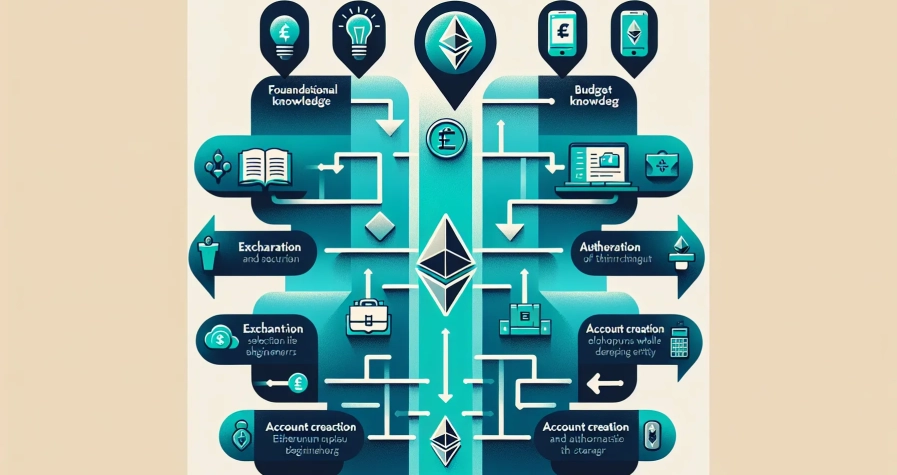
First, you’ll need to create an account with a reputable cryptocurrency exchange. In the UK, it’s wise to choose an exchange that’s registered with the Financial Conduct Authority (FCA), as this offers an added layer of consumer protection and regulatory oversight.
Once you’ve selected an exchange, you’ll typically need to verify your identity by providing identification documents, a standard requirement to comply with anti-money laundering regulations. After verification, you can deposit funds (usually via bank transfer or debit card) and purchase Ether (ETH).
For security, especially if you’re holding a significant amount of ETH, consider transferring your coins to a secure wallet. Software wallets (like MetaMask or Trust Wallet) are convenient for everyday use and interacting with dApps. Hardware wallets (such as Ledger or Trezor) offer the highest level of security by storing your private keys offline, protecting your assets from online threats.
Never share your private keys or seed phrases with anyone, and be wary of phishing scams. The decentralised nature of Ethereum means you’re in full control of your assets, but it also means you’re fully responsible for their security.
Once you’ve acquired ETH and secured your wallet, you’re ready to explore the Ethereum ecosystem: experiment with DeFi platforms, mint or collect NFTs, or simply hold ETH as a long-term investment.
Conclusion
Ethereum is far more than a cryptocurrency, it’s a foundational platform for the decentralised digital economy. From enabling trustless financial services through DeFi to revolutionising digital ownership with NFTs, Ethereum has proven that blockchain technology can do much more than help peer-to-peer payments.
Its transition to Proof-of-Stake marked a pivotal moment, addressing environmental concerns and setting the stage for future scalability improvements. Whilst challenges like network congestion and high gas fees remain, Ethereum’s active developer community and ongoing upgrades continue to push the boundaries of what’s possible.
Whether you’re an investor, a developer, or simply someone curious about the future of the internet, Ethereum offers a glimpse into a world where applications run autonomously, financial services are accessible to everyone, and digital ownership is transparent and verifiable.
As the Web3 movement gains momentum, Ethereum stands at the centre, powering the decentralised applications, protocols, and innovations that are reshaping industries and redefining how we interact online.
Frequently Asked Questions
What is Ethereum and how does it differ from Bitcoin?
Ethereum is a decentralised, programmable blockchain platform that supports smart contracts and decentralised applications, whereas Bitcoin primarily serves as digital cash. Ethereum’s flexible scripting enables DeFi, NFTs, and dApps, whilst Bitcoin focuses on peer-to-peer value transfer with limited programmability.
How do smart contracts work on Ethereum?
Smart contracts are self-executing pieces of code stored on the Ethereum blockchain that automatically enforce agreements when predefined conditions are met. They operate autonomously without intermediaries, running exactly as programmed, making them ideal for trustless transactions in DeFi, NFTs, and governance applications.
What are gas fees on Ethereum and why do they fluctuate?
Gas fees are transaction costs paid in Ether (ETH) to compensate validators for processing operations on the Ethereum network. Fees fluctuate based on network demand—during high congestion, gas fees spike as users compete for limited block space, making transactions more expensive.
Can beginners safely invest in Ethereum?
Yes, beginners can invest in Ethereum through FCA-registered exchanges in the UK by verifying their identity, purchasing ETH, and securing it in a reputable wallet. However, it’s crucial to research thoroughly, never share private keys, remain vigilant against phishing scams, and only invest what you can afford to lose.
Why did Ethereum switch to Proof-of-Stake?
Ethereum transitioned to Proof-of-Stake in 2022 to reduce energy consumption by approximately 99.95%, making it environmentally sustainable. This upgrade replaced energy-intensive mining with validators who stake ETH, improving network security, scalability, and aligning participants’ interests with Ethereum’s long-term success.
Is Ethereum legal to buy and use in the United Kingdom?
Yes, Ethereum is legal in the UK. You can buy, sell, and use ETH through cryptocurrency exchanges, many of which are registered with the Financial Conduct Authority. However, crypto assets are largely unregulated, so ensure you use reputable platforms and understand the associated risks before investing.