Stablecoins have revolutionised the cryptocurrency landscape by promising price stability in an otherwise volatile market. You’ve likely encountered these digital assets as they’ve gained massive adoption across decentralised finance (DeFi) platforms and traditional trading exchanges. However, beneath their stable exterior lies a complex web of potential risks that every investor should understand.
While stablecoins aim to maintain a consistent value—typically pegged to fiat currencies like the US dollar—they’re not immune to various threats that could impact your investments. From regulatory uncertainties to technical vulnerabilities, these seemingly safe digital assets carry unique risks that differ from traditional cryptocurrencies.
Understanding these potential pitfalls is crucial whether you’re using stablecoins for trading, yield farming, or as a store of value. By recognising the inherent risks, you’ll make more informed decisions about incorporating stablecoins into your cryptocurrency portfolio and financial strategy.
What Are Stablecoin Risks?
Stablecoin risks encompass multiple categories that threaten your investment stability and asset security. Understanding these risks helps you make informed decisions when using stablecoins for trading, lending or storing value.
Regulatory and Compliance Risks
Regulatory uncertainty poses significant threats to stablecoin operations and value preservation. Governments worldwide continue developing frameworks that could restrict stablecoin usage, freeze assets or require compliance measures that affect accessibility.
Key regulatory risks include:
- Licensing requirements – Stablecoin issuers may face mandatory registration that increases operational costs
- Reserve auditing mandates – Regulatory bodies might demand frequent audits of backing assets
- Transaction restrictions – Governments could limit stablecoin transfers or impose capital controls
- Delisting events – Exchanges may remove stablecoins that don’t meet regulatory standards
The European Union’s Markets in Crypto-Assets (MiCA) regulation and similar frameworks in other jurisdictions create ongoing compliance pressures that directly impact your stablecoin holdings.
Counterparty and Custodial Risks
Counterparty risks arise when stablecoin issuers fail to maintain adequate reserves or face operational difficulties. Your stablecoin value depends entirely on the issuer’s financial health and reserve management practices.
Primary counterparty risks involve:
- Reserve depletion – Insufficient backing assets to support redemption requests
- Custodian failures – Third-party reserve holders experiencing bankruptcy or fraud
- Issuer insolvency – Stablecoin companies facing financial distress or closure
- Audit discrepancies – Misreported reserve holdings that undermine peg stability
Circle’s USDC experienced temporary depegging in March 2023 when Silicon Valley Bank’s collapse threatened $3.3 billion in reserves, demonstrating real counterparty risks.
Technical and Smart Contract Vulnerabilities
Technical risks emerge from the underlying blockchain infrastructure and smart contract code governing stablecoin operations. These vulnerabilities can result in permanent loss of funds or system-wide failures.
Critical technical risks include:
- Smart contract bugs – Programming errors that enable unauthorised minting or burning
- Oracle manipulation – Price feed attacks that destabilise algorithmic stablecoins
- Bridge vulnerabilities – Cross-chain protocol exploits affecting multi-blockchain stablecoins
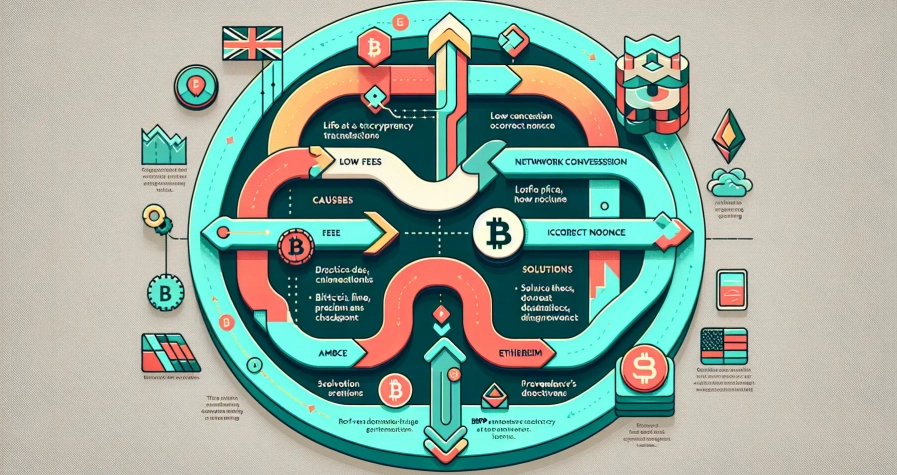
- Network congestion – High gas fees that prevent timely redemptions or transfers
The Terra Luna ecosystem collapse in May 2022 highlighted how algorithmic mechanisms can fail catastrophically, erasing $60 billion in market value within days.
Market and Liquidity Risks
Market dynamics can create liquidity shortages and price volatility that compromise stablecoin stability. During periods of extreme market stress, redemption mechanisms may struggle to maintain the intended peg.
Significant market risks encompass:
- Liquidity crises – Insufficient market makers to facilitate large redemptions
- Bank run scenarios – Mass redemption requests exceeding available reserves
- Secondary market premiums – Trading above or below par value during stress periods
- Peg deviation events – Temporary or permanent departure from the target price
Tether’s USDT has experienced multiple depegging events, including a drop to $0.95 in May 2022 during widespread market turbulence, demonstrating inherent liquidity risks.
Types of Stablecoins and Their Unique Risks
Each stablecoin category presents distinct risk profiles that affect your investment security differently. Understanding these variations helps you assess which stablecoin types align with your risk tolerance and investment objectives.
Fiat-Collateralised Stablecoins
Fiat-collateralised stablecoins like USDT and USDC maintain their stability through traditional currency reserves held by centralised custodians. These stablecoins expose you to four primary risk categories that stem from their centralised structure and reliance on traditional financial systems.
Liquidity risk occurs when the issuer can’t meet redemption demands during high withdrawal periods. You face potential delays or inability to convert your stablecoins back to fiat currency if the issuer lacks sufficient liquid reserves or encounters operational constraints.
Interest rate risk affects the underlying collateral’s value as market rates fluctuate. Your stablecoin’s backing assets may lose value during rate increases, potentially undermining the issuer’s ability to maintain full collateralisation ratios.
Counterparty risk emerges from your dependence on the issuing institution’s financial health and operational integrity. If the issuer faces bankruptcy, regulatory action, or operational failure, your stablecoin holdings could become worthless or face significant devaluation.
Regulatory risk intensifies as governments implement evolving AML/KYC requirements and audit mandates. You might experience restricted access to your funds, forced compliance procedures, or complete service suspension if issuers can’t meet new regulatory standards.
Crypto-Collateralised Stablecoins
Crypto-collateralised stablecoins such as MakerDAO’s DAI use cryptocurrency assets as backing collateral with over-collateralisation ratios to buffer against price volatility. Your exposure to these stablecoins involves four distinct risk vectors that relate to their decentralised nature and crypto asset dependencies.
Volatility risk stems from the underlying cryptocurrency collateral’s price fluctuations. Even with over-collateralisation, severe market downturns can threaten the stablecoin’s peg stability and your investment value.
Liquidation risk activates during sharp market declines when collateral values drop below required thresholds. You could face automatic liquidation of positions at unfavourable prices, resulting in significant losses beyond your initial investment.
Systemic risk develops from market manipulation or coordinated attacks on the underlying protocols. The TerraUSD collapse demonstrates how rapid devaluation and destabilisation can occur, potentially eliminating your entire stablecoin holdings within hours.
Complexity risk reduces your ability to fully understand the mechanisms maintaining price stability. Smart contract interactions, governance tokens, and multi-layered protocols create opacity that may undermine your confidence and decision-making capabilities.
Algorithmic Stablecoins
Algorithmic stablecoins maintain their price pegs through automated smart contract algorithms without direct asset backing. These mechanisms expose you to the highest risk levels among stablecoin categories due to their experimental nature and lack of tangible collateral.
Algorithmic failure risk represents the primary threat to your holdings, as these systems depend entirely on programmatic mechanisms to maintain stability. Market conditions that exceed algorithmic parameters can cause permanent peg loss and complete value destruction.
Market dynamics risk intensifies during stress periods when algorithmic adjustments can’t respond adequately to selling pressure. You face potential total loss scenarios when market participants lose confidence in the algorithmic mechanisms’ effectiveness.
Death spiral risk occurs when peg deviations trigger cascading liquidations and further selling pressure. Once initiated, these cycles often prove irreversible, leading to complete collapse of the stablecoin’s value and your investment.
Regulatory and Compliance Risks
Regulatory and compliance risks represent significant challenges for stablecoin users due to fragmented oversight frameworks across jurisdictions. You face uncertainty as stablecoins often fall between existing regulatory structures, creating gaps that leave both users and issuers exposed to sudden regulatory changes.
Regulatory Framework Gaps
Current regulatory frameworks lack comprehensive coverage for stablecoins, creating compliance challenges across multiple jurisdictions. You encounter inconsistent oversight as regulators struggle to categorise these digital assets within traditional financial regulations.
Regulators express concerns about “run risks” where widespread loss of confidence triggers massive redemptions. These events can create liquidity shortfalls when issuers lack sufficient reserves to meet redemption demands simultaneously.
Anti-Money Laundering Vulnerabilities
Stablecoins present significant AML/CFT vulnerabilities that expose you to compliance risks. Weak anti-money laundering controls allow bad actors to exploit stablecoins for:
- Money laundering operations
- Terrorist financing activities
- Sanctions evasion schemes
- Illicit fund transfers
You must implement robust transaction monitoring systems to detect suspicious activities and comply with reporting requirements across different jurisdictions.
Consumer Protection Concerns
Consumer protection gaps create substantial risks for stablecoin users. You may incorrectly assume stablecoins offer the same security as traditional bank deposits, despite most lacking:
- Deposit insurance coverage
- Banking regulation protections
- Guaranteed redemption rights
- Regulatory oversight standards
This misconception exposes you to potential losses during issuer failures or market disruptions.
Institutional Compliance Requirements
Banks and financial institutions handling stablecoins face enhanced regulatory expectations. You must incorporate stablecoin risks into existing prudential risk management frameworks, addressing:
- Operational risk exposure
- Legal compliance requirements
- Cybersecurity vulnerabilities
- Financial stability concerns
- Reputational damage potential
UK supervisors (FCA and PRA) alongside EU authorities regularly evaluate these frameworks. Compliance deficiencies result in regulatory penalties, increased capital requirements, or operational restrictions.
MiCAR Compliance Standards
EU’s MiCAR regulation imposes specific requirements on stablecoin issuers. You must conduct regular risk assessments and implement mitigation strategies under European Banking Authority supervision. Non-compliance triggers enforcement actions and operational limitations.
Risk Mitigation Strategies
Effective compliance programmes require comprehensive controls to address regulatory risks. You should implement:
Compliance Infrastructure:
- Appointing compliance officers with crypto regulatory expertise
- Engaging legal counsel specialising in digital assets
- Establishing regulatory affairs specialist roles
Customer Controls:
- Enforcing robust KYC procedures
- Implementing customer due diligence processes
- Screening against sanctions lists
- Monitoring high-risk transactions
Transaction Monitoring:
- Continuous transaction surveillance systems
- Suspicious activity reporting mechanisms
- FATF Travel Rule compliance for cross-border transfers
- Originator/beneficiary information transmission
Stablecoin Selection Criteria:
- Supporting transparent, fully-backed stablecoins
- Verifying regulatory compliance status
- Conducting issuer due diligence
- Regular reserve audit verification
Market Stability Implications
Poor reserve management creates systemic risks affecting broader financial markets. You face exposure when bulk redemptions force issuers to sell underlying assets like government securities, potentially disrupting traditional financial markets.
Regular security audits and staff training on crypto-specific risks help mitigate operational vulnerabilities. You must stay informed about evolving regulatory requirements across jurisdictions where you operate stablecoins.
Market and Liquidity Risks
Market and liquidity risks represent the most immediate threats you face when holding stablecoins, stemming from rapid fund withdrawals and asset backing vulnerabilities. These risks can impair your stablecoin’s ability to maintain its peg and provide reliable redemptions.
Rapid withdrawal scenarios create significant liquidity pressures when large numbers of holders simultaneously attempt to redeem their stablecoins. This “run” behaviour forces issuers to liquidate backing assets quickly, often at unfavourable prices, potentially preventing redemptions at par value. Asset-backed stablecoins face particular vulnerability when their reserve assets become illiquid during market stress periods.
Reserve composition risks vary significantly across different stablecoin types. Fiat-collateralised stablecoins like USDT and USDC depend on traditional financial system assets, exposing you to bank failures and institutional counterparty risks. Crypto-collateralised stablecoins such as MakerDAO’s DAI face volatility risks from their cryptocurrency backing, requiring over-collateralisation to maintain stability.
Algorithmic stablecoins present the highest liquidity risks since they lack direct asset backing and rely entirely on market mechanisms. These systems prove especially vulnerable to confidence crises, as demonstrated by the TerraUSD collapse, where algorithmic failures triggered irreversible devaluation.
Operational vulnerabilities compound market risks through cyber-attacks, fraud potential, and legal uncertainties. Many stablecoin issuers operate with limited regulatory oversight and opaque reserve structures, creating additional layers of risk for your holdings.
De-pegging Events
De-pegging events occur when your stablecoin’s market value deviates significantly from its intended reference asset, either rising above or falling below the target price. These events directly threaten the primary value proposition of price stability that stablecoins promise.
Primary de-pegging triggers include sudden market volatility affecting supply and demand dynamics, under-collateralisation of backing reserves, and reserve mismanagement by issuers. Loss of market confidence creates cascading effects where initial price deviations trigger further selling pressure, amplifying the departure from the peg.
Technical factors contributing to de-pegging encompass smart contract vulnerabilities, network congestion preventing timely arbitrage, and algorithmic mechanism failures. The TerraUSD case exemplifies how technological flaws can create irreversible de-pegging spirals, resulting in complete loss of peg stability.
External market forces such as regulatory announcements, banking sector stress, and broader cryptocurrency market volatility can trigger de-pegging events across multiple stablecoin projects simultaneously. These contagion effects demonstrate how interconnected financial markets amplify individual stablecoin risks.
Recovery mechanisms deployed by issuers include supply adjustments through minting or burning tokens, reserve rebalancing, and enhanced market-making activities. However, these interventions don’t guarantee successful re-pegging, particularly during severe market stress or confidence crises.
Trading Volume Fluctuations
Trading volume fluctuations create substantial liquidity challenges that directly impact your stablecoin’s price stability and redemption capabilities. These volume changes can occur rapidly, creating market conditions where maintaining the peg becomes increasingly difficult.
Low volume environments reduce market depth significantly, making your stablecoin more susceptible to price manipulation and sudden deviations from its target value. Limited trading activity means fewer arbitrage opportunities exist to correct price discrepancies, allowing deviations to persist longer.
Volume spikes during market stress periods can overwhelm existing liquidity provision mechanisms, creating temporary but significant price volatility. When demand suddenly increases or confidence wavers, existing market makers may withdraw liquidity, exacerbating price instability.
Arbitrage disruption occurs when volume fluctuations prevent efficient price correction mechanisms from operating effectively. Professional arbitrageurs require consistent trading volumes to maintain profitable operations, and their absence during low-volume periods removes a crucial stabilisation mechanism.
Exchange-specific risks emerge when your stablecoin experiences different trading volumes across various platforms, creating price discrepancies between exchanges. These differences can signal underlying liquidity problems and may indicate broader market confidence issues affecting your holdings’ stability.
Technical and Smart Contract Risks
Technical vulnerabilities in stablecoin protocols create significant exposure for your digital assets. Smart contract exploits represent the most prevalent technical risk you face when using stablecoins built on decentralised protocols. These exploits occur when attackers discover bugs or logic errors in the underlying code, including reentrancy vulnerabilities and insufficient access controls.
Smart contract vulnerabilities target multiple attack vectors that directly impact your funds:
- Reentrancy attacks allow malicious actors to repeatedly call functions before previous executions complete
- Access control failures enable unauthorised parties to modify critical protocol parameters
- Integer overflow exploits manipulate calculations to generate unlimited tokens
- Logic errors in automated mechanisms create opportunities for fund drainage
Flash loan attacks pose another critical threat to your stablecoin holdings. These sophisticated attacks enable attackers to borrow massive amounts of capital without collateral, manipulate market prices within a single blockchain transaction, and destabilise your stablecoin’s peg to its reference asset. The entire attack completes within seconds, making detection and prevention extremely challenging.
Code Audit and Deployment Risks
Stablecoin protocols with insufficient code auditing expose you to substantial financial losses. Protocols that deploy smart contracts without comprehensive security reviews create vulnerabilities that attackers actively exploit. Your risk increases significantly when using newly launched stablecoins or protocols with limited audit histories.
Development and deployment weaknesses that threaten your assets include:
- Rushed deployment schedules that skip thorough testing phases
- Inadequate peer review processes for critical code changes
- Missing edge case testing for extreme market conditions
- Insufficient monitoring systems for detecting anomalous behaviour
Token Impersonation and Fraud
Fraudulent token creation represents a growing technical risk in the stablecoin ecosystem. Attackers create counterfeit tokens with names and symbols nearly identical to legitimate stablecoins, deceiving you into accepting worthless digital assets. These impersonation schemes particularly target popular stablecoins like USDT, USDC, and DAI.
Your exposure to token fraud increases through:
- Contract address manipulation where fraudsters deploy tokens with similar addresses
- Symbol spoofing that replicates authentic stablecoin ticker symbols
- Metadata mimicry copying logos, descriptions, and branding elements
- Social engineering campaigns promoting fake tokens through legitimate-appearing channels
Oracle and Price Feed Vulnerabilities
Stablecoins relying on external price feeds face oracle manipulation risks that directly affect your holdings. Oracle attacks involve manipulating external data sources that smart contracts use to determine asset values, potentially causing artificial depegging events or triggering incorrect liquidations.
Price feed manipulation creates cascading effects across interconnected DeFi protocols, amplifying your risk exposure beyond individual stablecoin holdings. These attacks exploit the dependency between stablecoins and external data providers, creating systemic vulnerabilities in the broader ecosystem you participate in.
Counterparty and Custodial Risks
Counterparty risk emerges when stablecoin issuers fail to fulfil their redemption promises or maintain adequate reserves. You face potential financial losses if the issuer doesn’t hold sufficient backing assets, such as U.S. dollars, to support every stablecoin in circulation. Banks storing these reserve funds introduce additional counterparty exposure through potential insolvency or restricted fund access.
Custodial risk affects the security and management of reserve assets backing your stablecoins. Centralised stablecoin systems rely on custodians to protect these reserves from theft, hacks, and operational breaches. Hackers gaining minting control or accessing reserve funds can compromise the stablecoin’s backing and undermine market confidence in its stability.
Primary Risk Categories
Your exposure to counterparty and custodial risks includes several interconnected vulnerabilities:
| Risk Type | Description | Impact |
|---|---|---|
| Liquidity Risk | Insufficient liquid collateral for redemption demands | Failed redemptions during stress periods |
| Interest Rate Risk | Reserve value decline from rising rates | Inadequate backing if rates increase unexpectedly |
| Operational Risk | Issuer compliance failures or system errors | Amplified counterparty exposure |
| Regulatory Risk | Insufficient oversight of redemption promises | Unprotected holder interests |
Reserve Management Vulnerabilities
Stablecoin issuers often invest reserves in less liquid or longer-term assets, creating liquidity shortfalls during high redemption periods. Your stablecoin’s value depends on the issuer’s ability to convert these assets quickly without significant losses. Collateral maturity mismatches can leave reserves insufficient to back outstanding tokens if interest rates rise unexpectedly.
Centralised System Dependencies
The stablecoin ecosystem’s reliance on centralised issuers and custodians creates critical failure points. You’re exposed to breaches affecting reserve storage systems, operational errors in fund management, and insufficient collateral backing during market stress. These vulnerabilities stem from the concentration of control within traditional financial infrastructure supporting stablecoin operations.
How to Mitigate Stablecoin Risks
You can significantly reduce your stablecoin exposure through comprehensive risk management strategies. These mitigation approaches address the technical vulnerabilities and regulatory uncertainties outlined in previous sections.
Due Diligence Strategies
Conducting thorough research before selecting stablecoins protects your investments from issuer failures and operational risks. You must verify that issuers maintain transparent reserve backing through regular third-party audits published on their websites or regulatory filings.
Reserve Asset Assessment
- Examine the composition of backing assets (US Treasury securities vs cash holdings)
- Review monthly attestation reports from certified accounting firms
- Verify liquidity management policies for handling large redemptions
- Check collateralisation ratios exceeding 100% for crypto-backed stablecoins
Issuer Governance Evaluation
- Analyse management teams’ track records and regulatory compliance history
- Assess contingency plans for market stress scenarios and bank failures
- Review customer protection policies including insurance coverage
- Evaluate operational security measures against fraud and cyber attacks
Regulatory Compliance Review
- Confirm licensing status in your jurisdiction and operating territories
- Verify adherence to anti-money laundering (AML) requirements
- Check consumer protection frameworks provided by local regulators
- Monitor ongoing regulatory developments affecting specific stablecoins
Portfolio Diversification
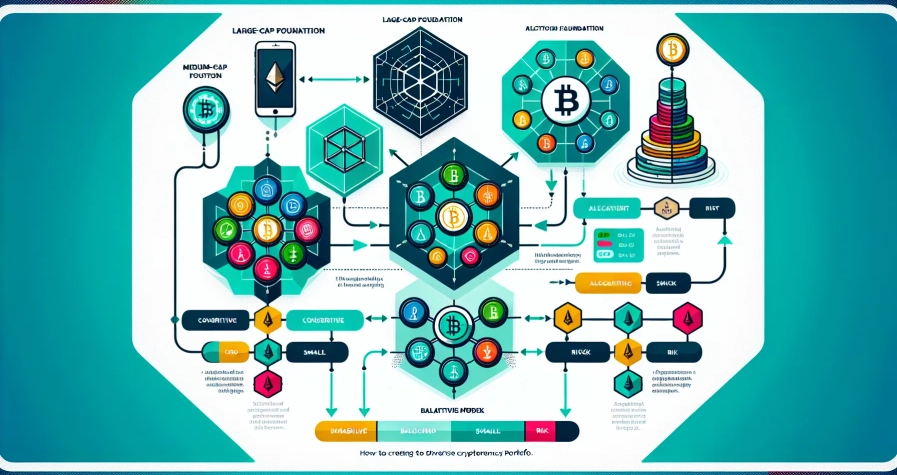
Diversifying across multiple stablecoins and asset classes reduces concentration risk while maintaining stability benefits. You can balance risk exposure through strategic allocation across different backing mechanisms and market capitalisations.
| Diversification Strategy | Risk Reduction | Implementation |
|---|---|---|
| Multi-stablecoin allocation | Issuer concentration risk | 40% USDC, 30% USDT, 20% DAI, 10% BUSD |
| Cross-sector exposure | Market correlation risk | DeFi protocols, NFT platforms, blockchain infrastructure |
| Market cap distribution | Volatility management | 60% large-cap, 25% mid-cap, 15% small-cap |
Asset Allocation Framework
- Maintain 20-30% stablecoin allocation for liquidity and trading opportunities
- Include Bitcoin and Ethereum for long-term growth potential (40-50%)
- Allocate 20-30% to emerging DeFi protocols and altcoins for higher returns
Cross-Platform Distribution
- Spread holdings across centralised exchanges (Binance, Coinbase) and decentralised protocols
- Use hardware wallets for cold storage of larger stablecoin holdings
- Implement multi-signature solutions for institutional-level security
Sector-Based Diversification
- Gaming and metaverse tokens (5-10% allocation)
- Infrastructure protocols like Chainlink and Polygon (10-15%)
- DeFi lending platforms and yield farming opportunities (10-20%)
- Privacy coins and utility tokens for specific use cases (5-10%)
Regular portfolio rebalancing ensures your risk exposure remains aligned with market conditions and regulatory changes affecting different stablecoin categories.
Conclusion
Understanding stablecoin risks empowers you to make informed investment decisions in today’s evolving digital asset landscape. While these tokens offer stability benefits you won’t find with traditional cryptocurrencies their complex risk profiles demand careful consideration.
Your risk management approach should combine thorough due diligence with strategic diversification across multiple stablecoin types. This balanced strategy helps you capture stability benefits whilst minimising exposure to regulatory compliance technical and market risks.
Success in stablecoin investing requires staying informed about regulatory developments and maintaining flexible strategies that adapt to changing market conditions. By implementing comprehensive risk assessment frameworks you’ll position yourself to navigate the stablecoin ecosystem confidently and securely.
Frequently Asked Questions
What are the main risks associated with stablecoins?
Stablecoins face several key risks including regulatory uncertainties, counterparty risks from issuer failures, custodial risks affecting reserve security, liquidity risks during mass redemptions, and technical vulnerabilities in smart contracts. Additionally, they present AML compliance risks and consumer protection gaps due to limited regulatory oversight and lack of deposit insurance.
How do different types of stablecoins vary in risk?
Fiat-collateralised stablecoins (like USDT, USDC) face liquidity and regulatory risks from traditional financial system dependence. Crypto-collateralised stablecoins (like DAI) encounter volatility and liquidation risks from cryptocurrency backing. Algorithmic stablecoins present the highest risk with potential algorithmic failures and death spiral scenarios due to their automated mechanisms without direct asset backing.
What causes stablecoin depegging events?
Depegging occurs when a stablecoin’s market value deviates from its intended reference asset. This can be triggered by market volatility, under-collateralisation of reserves, technical failures in smart contracts, mass redemptions creating liquidity pressure, or manipulation of price feeds and oracles that maintain the peg mechanism.
What regulatory risks do stablecoins face?
Regulatory risks include potential usage restrictions, licensing requirements for issuers, mandatory audits of backing assets, and compliance with evolving frameworks like the EU’s MiCAR regulation. Fragmented oversight creates gaps, exposing users to sudden regulatory changes, AML requirements, and potential restrictions on cross-border transactions.
How can investors mitigate stablecoin risks?
Risk mitigation strategies include conducting thorough due diligence on issuers, assessing reserve compositions and governance structures, diversifying across multiple stablecoins and asset classes, ensuring regulatory compliance, implementing robust monitoring systems, and regularly rebalancing portfolios to align with changing market conditions and regulatory developments.
What are smart contract risks in stablecoins?
Smart contract risks include vulnerabilities like reentrancy attacks, access control failures, and flash loan exploits that can destabilise pegs. Code audit insufficiencies, oracle manipulation affecting price feeds, and token impersonation through counterfeit contracts pose additional threats. These technical vulnerabilities can lead to significant financial losses and artificial depegging events.