If you’ve ever logged into Binance and felt overwhelmed by the sheer number of trading options staring back at you, you’re not alone. The platform offers three distinct trading modes,Spot, Futures, and Margin,each designed for different strategies, risk appetites, and market approaches. Whether you’re a beginner looking to buy your first Bitcoin or an experienced trader hunting for leveraged opportunities, understanding these interfaces is crucial to making informed decisions.
In this guide, you’ll learn how to navigate Binance’s main trading dashboard, explore the mechanics and interfaces of Spot, Futures, and Margin trading, and discover which mode aligns best with your goals. By the end, you’ll have a clearer picture of where to click, what to watch, and how to manage risk across Binance’s powerful trading ecosystem.
Key Takeaways
- Binance’s trading interface offers three distinct modes—Spot, Futures, and Margin—each designed for different risk levels and trading strategies.
- Spot trading is ideal for beginners as it involves direct ownership of crypto with no leverage, limiting risk to your initial investment.
- Futures trading allows up to 125x leverage and the ability to profit from both rising and falling markets, but carries high liquidation risk.
- Margin trading amplifies your buying power with borrowed funds (up to 10x leverage) while maintaining asset ownership, making it a middle-ground option.
- Choosing between Cross Margin and Isolated Margin modes affects how collateral is managed and your overall risk exposure across positions.
- Understanding Binance’s trading interface layout—including the order book, trading chart, and order placement area—is essential for executing trades confidently and managing risk effectively.
Understanding Binance’s Main Trading Dashboard
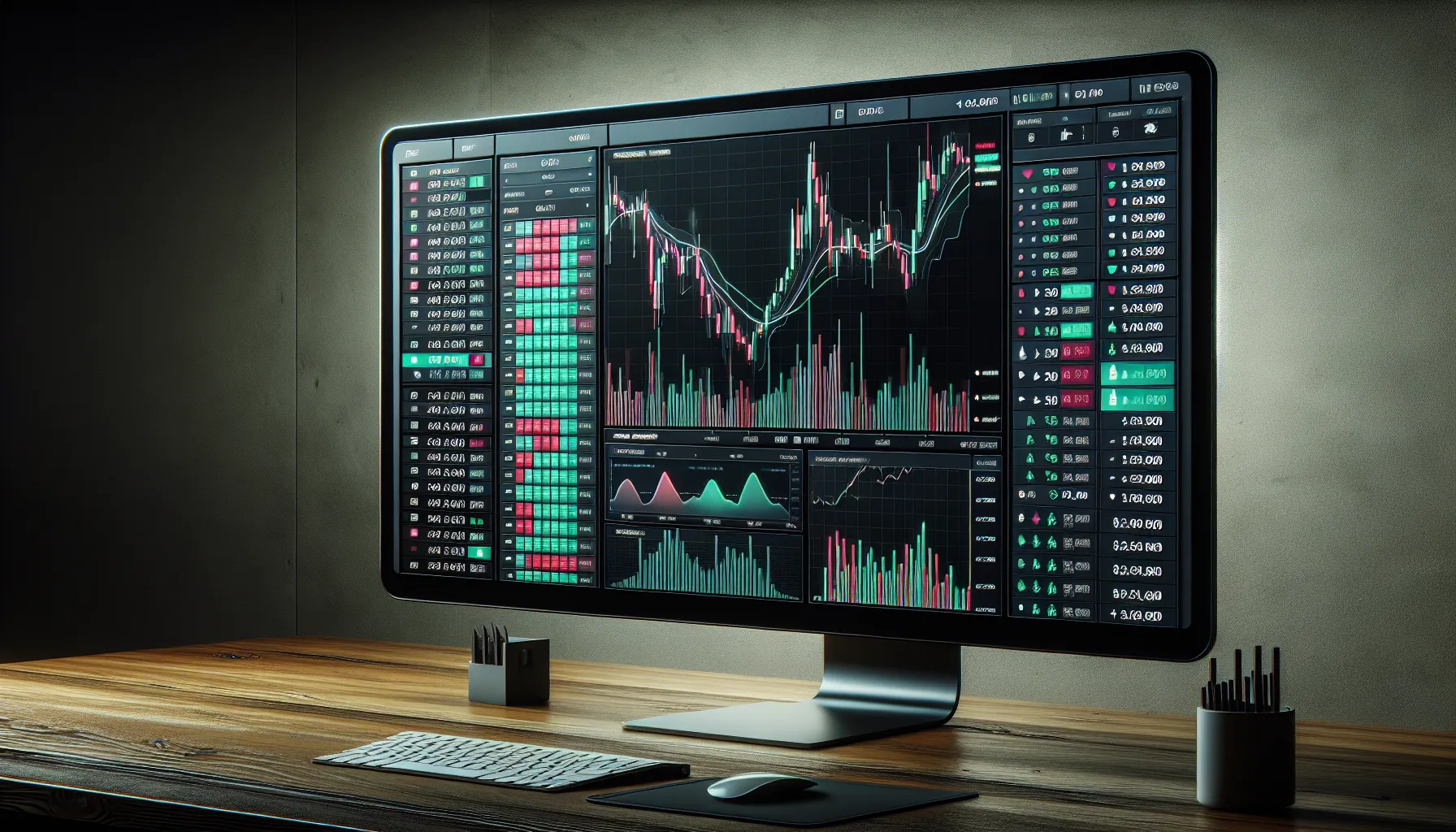
When you first access Binance’s trading platform, the main dashboard serves as your command centre. It’s where you choose between Spot, Futures, and Margin markets, and it lays out everything you need to execute trades efficiently.
The dashboard is divided into several key areas. At the top, you’ll find tabs or dropdowns that let you switch between trading modes. The centre of the screen typically displays a trading chart,a visual representation of price movements over time, complete with candlesticks, volume bars, and technical indicators you can customize.
On the left side, you’ll see the order book, which lists current buy and sell orders at various price levels. This real-time data helps you gauge market sentiment and liquidity. To the right, there’s usually a panel showing available trading pairs,combinations like BTC/USDT or ETH/BTC,so you can quickly switch between assets.
Below the chart, you’ll encounter the order placement area. Here, you can choose order types such as market orders (instant execution at current price), limit orders (execution at your specified price), or stop-limit orders (triggered when price hits a certain level). Binance also displays your open orders, trade history, and account balances in adjacent tabs, giving you a snapshot of your portfolio and activity.
Familiarizing yourself with this layout is essential. Once you know where everything lives, switching between trading modes and executing orders becomes second nature.
Spot Trading on Binance

Spot trading is the most straightforward way to buy and sell cryptocurrencies on Binance. It’s where most beginners start,and for good reason.
How Spot Trading Works
In spot trading, you purchase or sell crypto at the current market price, and the transaction settles immediately. When you buy Bitcoin on the spot market, you actually own that Bitcoin. It’s yours to hold, transfer, or trade again. There’s no leverage involved, which means your risk is capped at the amount you invest. If you put in $100, the most you can lose is $100,no hidden fees or forced liquidations.
This direct ownership model makes spot trading ideal for long-term investors, those new to crypto, or anyone who prefers a buy-and-hold strategy. You’re not speculating on price movements with borrowed funds: you’re simply trading assets you own.
Navigating the Spot Trading Interface
The Spot trading interface on Binance is clean and intuitive once you know what you’re looking at. On the left side, the order book displays a list of buy orders (bids) in green and sell orders (asks) in red, sorted by price. This shows you the depth of the market,how much buying or selling pressure exists at different price levels.
The centre of the screen is dominated by the trading chart. You can toggle between timeframes (1 minute, 1 hour, 1 day, etc.) and apply technical indicators like moving averages, RSI, or Bollinger Bands. Binance uses TradingView charts, so if you’re familiar with that platform, you’ll feel right at home.
On the right, you’ll find a list of trading pairs. You can search for specific coins or sort by volume, price change, or favorites. This makes it easy to jump between different markets without leaving the page.
Below the chart is the order entry panel. Here, you select your order type,Market (buy/sell instantly at the best available price), Limit (set your desired price and wait for the market to meet it), or Stop-Limit (trigger a limit order when price hits a certain threshold). You’ll also see fields to enter the amount you want to buy or sell, along with sliders to adjust quantity based on your available balance.
Once you place an order, it appears in the “Open Orders” tab below. Completed trades show up in your trade history, and your balances update in real time. It’s a simple, no-nonsense setup that lets you focus on the market rather than wrestling with the interface.
Futures Trading on Binance
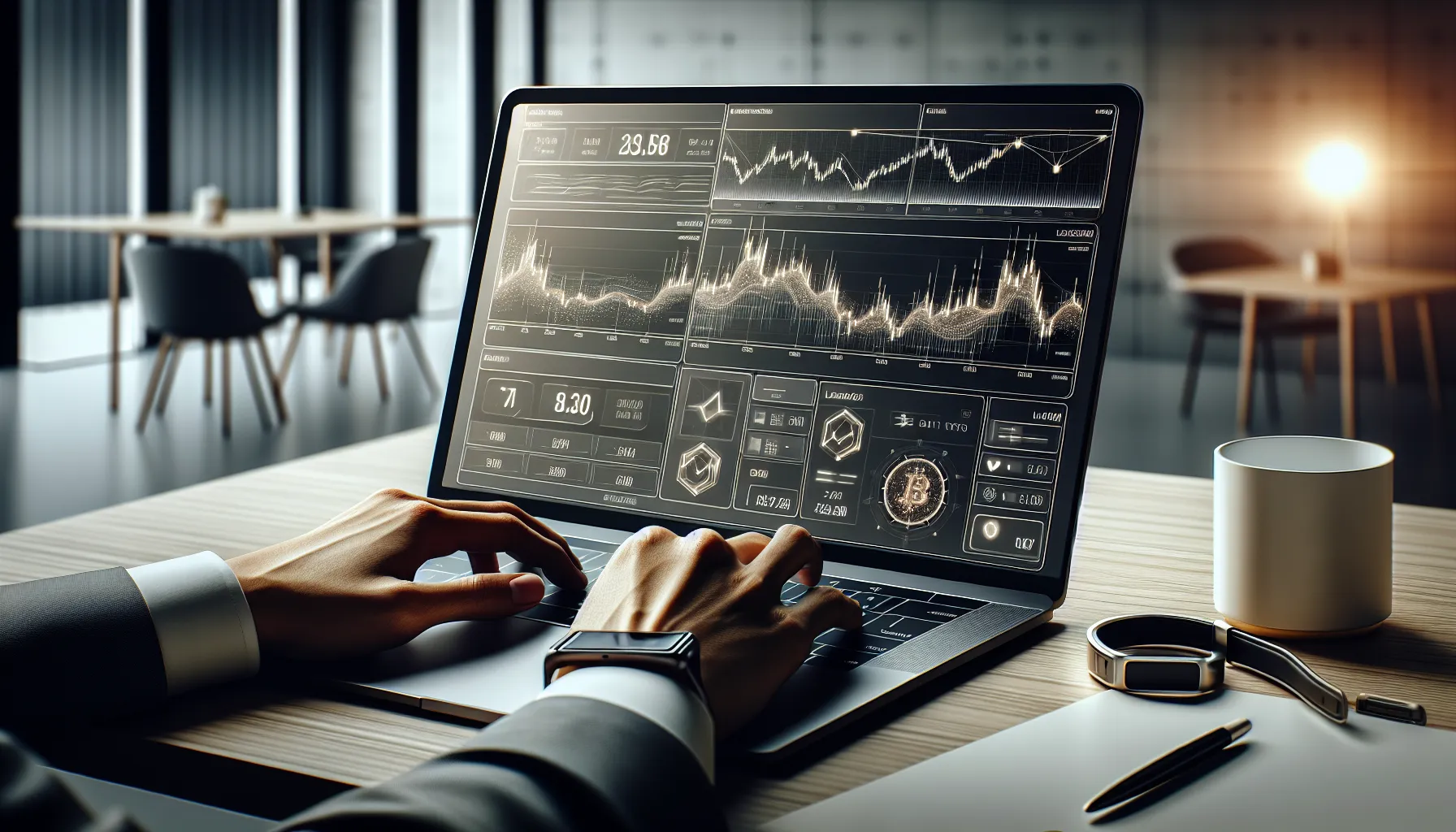
Futures trading takes things up a notch. It’s faster, riskier, and offers the potential for amplified gains,or losses. If you’re ready to trade on margin and speculate on price movements without owning the underlying asset, futures might be your playground.
What Are Futures Contracts?
A futures contract is an agreement to buy or sell an asset at a predetermined price on a specific future date. On Binance, most crypto futures are perpetual contracts, meaning they don’t have an expiration date. You can hold your position as long as you want, provided you maintain enough margin to avoid liquidation.
The key difference from spot trading? You don’t own the actual cryptocurrency. Instead, you’re betting on whether the price will go up or down. You can go long (buy) if you think the price will rise, or short (sell) if you expect it to fall. Profit comes from the difference between your entry and exit prices, multiplied by your leverage.
This structure allows traders to profit in both rising and falling markets, and it’s a popular tool for hedging or speculation.
Key Features of the Futures Interface
Binance’s Futures interface looks similar to the Spot interface but includes several advanced features tailored to leveraged trading.
At the top, you’ll see a leverage slider. This lets you adjust your position size relative to your margin. For example, 10x leverage means you control $1,000 worth of crypto with just $100 of your own money. Binance offers leverage up to 125x on certain pairs, though higher leverage dramatically increases your risk of liquidation.
You’ll also find tabs for PnL (Profit and Loss), which shows your unrealized and realized gains or losses in real time. There’s a liquidation price calculator that tells you the price level at which your position will be automatically closed if the market moves against you. This is critical for risk management,you need to know your liquidation point before entering a trade.
Another important control is the margin mode toggle, which lets you switch between Cross Margin and Isolated Margin. In Cross Margin mode, your entire futures account balance is used as collateral for all open positions. This reduces liquidation risk for individual trades but means a bad trade can wipe out your entire balance. In Isolated Margin mode, you allocate a specific amount of margin to each position, limiting your loss to that amount. It’s a safer approach for managing multiple positions or testing new strategies.
Leverage and Risk Management Tools
Leverage is a double-edged sword. It can multiply your profits, but it can also magnify your losses. At 125x leverage, a 1% move against your position results in a 125% loss,effectively liquidating you instantly.
That’s why Binance provides several risk management tools. Stop-loss orders automatically close your position when the price hits a certain level, capping your downside. Take-profit orders do the opposite, locking in gains when your target price is reached. You can also use trailing stops that move with the market, protecting profits while giving your trade room to breathe.
Binance also offers a position calculator that helps you estimate margin requirements, potential profit, and liquidation price before you enter a trade. It’s a handy tool for planning your risk-reward ratio and avoiding surprises.
Before diving into futures, it’s wise to practice with small amounts or use Binance’s testnet. The speed and complexity of futures trading can be unforgiving for the unprepared.
Margin Trading on Binance
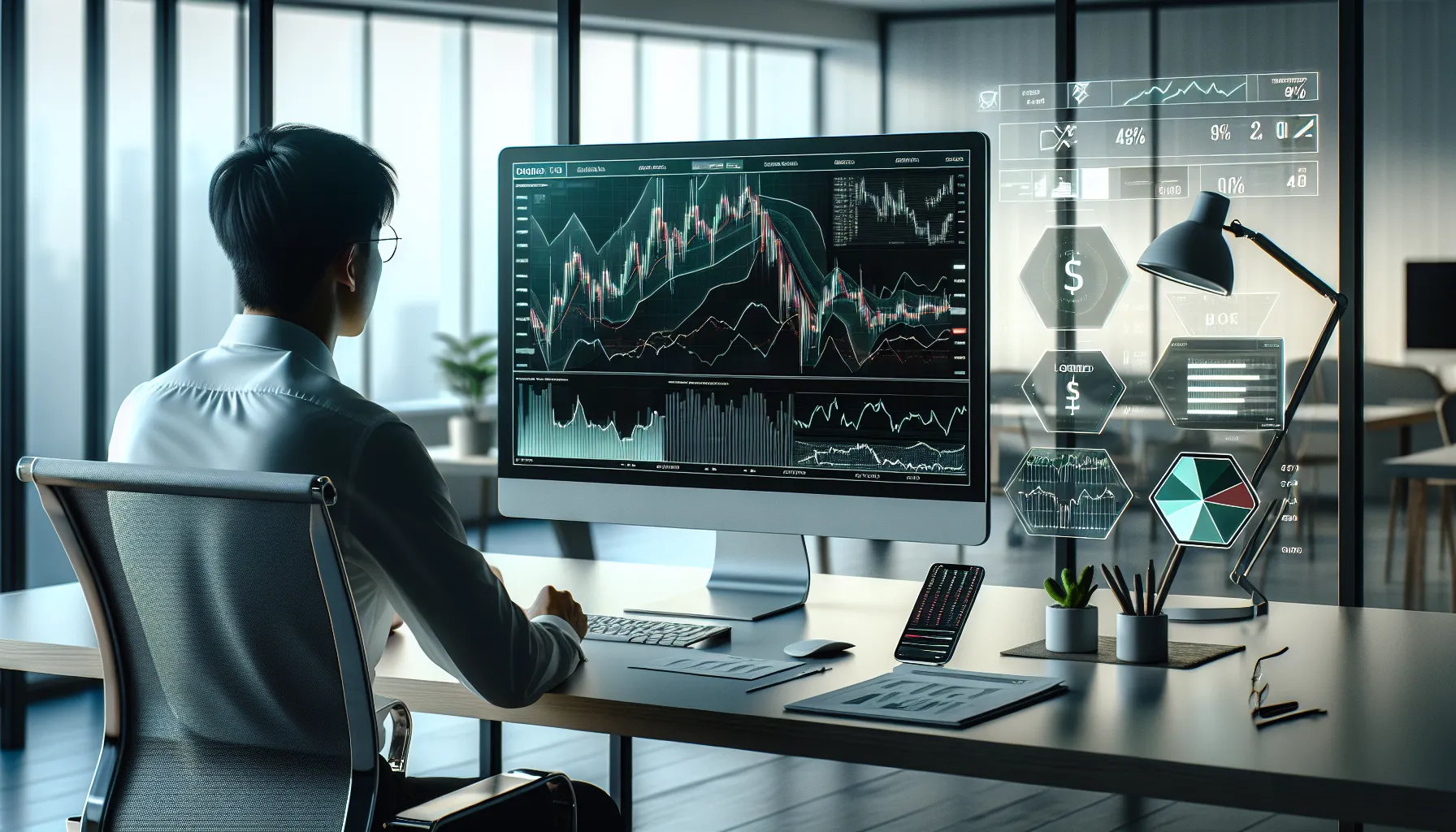
Margin trading sits somewhere between spot and futures. You’re still buying and owning the actual cryptocurrency, but you’re doing it with borrowed funds,amplifying both your potential gains and your exposure to loss.
Understanding Margin Trading Basics
When you trade on margin, you borrow money from Binance to increase the size of your position. Let’s say you have $1,000 and you want to buy more Bitcoin than that amount would normally allow. With 3x margin, you can borrow an additional $2,000, giving you $3,000 in buying power. If Bitcoin’s price rises 10%, your profit is calculated on the full $3,000, not just your initial $1,000,minus interest on the borrowed funds, of course.
Sounds great, right? The catch is that losses are also magnified. If Bitcoin drops 10%, you lose 30% of your initial capital. And because you’re using borrowed money, you must maintain a minimum margin ratio,the ratio of your equity to the borrowed amount. If your equity falls below this threshold, Binance can liquidate your position to repay the loan, leaving you with less than you started with (or nothing at all).
Binance offers margin trading with leverage up to 10x on select pairs, though the exact leverage depends on the asset and your account status.
Cross Margin vs. Isolated Margin
Just like with futures, Binance gives you two margin modes: Cross Margin and Isolated Margin.
Cross Margin pools your entire margin account balance as collateral for all open positions. This provides more flexibility and reduces the chance of liquidation for any single trade, because the entire account cushions losses. But, if things go south, you risk losing your entire margin balance across all positions. It’s an all-or-nothing approach that works best when you’re confident in your trades and want maximum capital efficiency.
Isolated Margin, on the other hand, restricts the margin for each trade to a specific amount you allocate. If that trade is liquidated, your loss is limited to the margin assigned to it,your other positions and balances remain safe. This mode is ideal for managing risk when you’re testing new strategies or trading volatile assets. It gives you more control and peace of mind, especially if you’re juggling multiple positions.
Choosing between the two depends on your risk tolerance and trading style. Beginners often prefer Isolated Margin for its built-in safety net, while experienced traders might opt for Cross Margin to maximize leverage and flexibility.
Key Differences Between Spot, Futures, and Margin Trading
By now, you’ve seen how Spot, Futures, and Margin trading each operate. But how do they stack up side by side? Here’s a comparison to help you see the distinctions at a glance:
| Aspect | Spot Trading | Futures Trading | Margin Trading |
|---|---|---|---|
| Ownership | Own the asset | No ownership (contracts only) | Own the asset, borrow funds |
| Leverage | None | Up to 125x | Up to 10x |
| Risk | Limited to your deposit | High liquidation risk | Can lose more than deposit |
| Complexity | Simple | Advanced | Intermediate |
| Profit Source | Buy low, sell high | Price movement speculation | Amplified spot gains |
| Liquidation | N/A | Yes | Yes |
Ownership is the most straightforward difference. With Spot, you actually hold the crypto. With Futures, you’re trading contracts,no real coins change hands. Margin trading gives you ownership, but part of your position is funded by borrowed money.
Leverage is where Futures shines,and where it gets dangerous. You can control massive positions with relatively small capital, but that same leverage can wipe you out if the market moves against you. Margin offers moderate leverage, while Spot keeps you grounded with none.
Risk escalates as you move from Spot to Margin to Futures. In Spot, you can only lose what you invest. In Margin, you can lose more than your deposit because of borrowed funds. In Futures, leverage and liquidation risk make losses potentially swift and severe.
Complexity also ramps up. Spot is beginner-friendly,buy, hold, sell. Margin requires understanding collateral, interest, and margin ratios. Futures demands knowledge of contracts, leverage, liquidation, funding rates, and advanced order types.
Each mode serves a purpose. Spot is your foundation, Margin is your amplifier, and Futures is your high-stakes arena.
Choosing the Right Trading Mode for Your Strategy
So which mode should you use? The answer depends on your experience, goals, and risk tolerance.
Choose Spot Trading if:
- You’re new to crypto and want to learn the basics without leverage.
- You plan to hold assets long-term and aren’t interested in short-term speculation.
- You prefer simplicity and want to minimize risk.
- You value actual ownership of your crypto for staking, transferring, or spending.
Spot is the safest entry point. It’s transparent, straightforward, and doesn’t require you to monitor liquidation prices or manage borrowed funds. If you’re building a portfolio or dollar-cost averaging into Bitcoin, Spot is your best bet.
Choose Futures Trading if:
- You’re an advanced trader comfortable with leverage and fast-paced markets.
- You want to profit from both rising and falling prices (long and short positions).
- You’re hedging other positions or managing portfolio risk.
- You understand margin calls, liquidation, and funding rates.
Futures offer unmatched flexibility and profit potential, but they demand respect. A single miscalculation can lead to liquidation. It’s not a playground for beginners, but for experienced traders, it’s a powerful tool.
Choose Margin Trading if:
- You’re comfortable with Spot trading and want to amplify your positions.
- You understand the risks of borrowing and are prepared to pay interest.
- You want more buying power without diving into the complexity of futures contracts.
- You can manage collateral and margin ratios effectively.
Margin is the middle ground,more opportunity than Spot, less extreme than Futures. It’s ideal for traders looking to scale up their strategies without jumping straight into high-leverage contracts.
General Tips:
- Start small. Test each mode with amounts you can afford to lose.
- Use stop-loss orders and risk management tools, especially in Futures and Margin.
- Educate yourself continuously. Markets change, and so should your strategies.
- Don’t let leverage seduce you into taking unnecessary risks. High leverage isn’t a badge of honour,it’s a recipe for disaster if misused.
Eventually, the right mode is the one that aligns with your knowledge, goals, and comfort level. There’s no one-size-fits-all answer.
Conclusion
Navigating Binance’s trading interface doesn’t have to be intimidating. Once you understand the layout of the main dashboard and the unique features of Spot, Futures, and Margin trading, you’ll be equipped to choose the right mode for your strategy and execute trades with confidence.
Spot trading offers simplicity and safety, making it perfect for beginners and long-term holders. Futures trading unlocks advanced opportunities with leverage and the ability to profit in any market direction,but it requires skill and caution. Margin trading bridges the gap, amplifying your spot positions with borrowed funds while keeping you grounded in asset ownership.
Whichever path you choose, remember that successful trading isn’t about using the most complex tools or the highest leverage. It’s about understanding your risk, managing your positions, and making informed decisions. Take your time, practice with small amounts, and gradually build your expertise. Binance’s interface is powerful, but it’s only as effective as the strategy and discipline you bring to it.
Frequently Asked Questions
What is the main difference between Binance spot and futures trading?
In spot trading, you actually own the cryptocurrency you purchase and there’s no leverage involved. In futures trading, you don’t own the asset but trade contracts on price movements with leverage up to 125x, allowing you to profit from both rising and falling markets.
How does cross margin differ from isolated margin on Binance?
Cross margin uses your entire margin account balance as collateral for all positions, reducing liquidation risk but potentially risking your whole balance. Isolated margin allocates specific amounts to each position, limiting losses to that allocated margin and protecting other trades.
Can beginners safely use margin trading on Binance?
Margin trading is best suited for traders who already understand spot trading fundamentals. Beginners should start with spot trading to learn the basics before using leverage, as margin trading can result in losses exceeding your initial deposit due to borrowed funds.
What is a liquidation price in Binance futures trading?
Liquidation price is the price level at which Binance automatically closes your position if the market moves against you. This happens when your margin falls below the minimum requirement, and it protects the exchange from losses on borrowed funds used for leverage.
How much leverage can you use on Binance for different trading modes?
Binance offers no leverage for spot trading, up to 125x leverage on select futures trading pairs, and up to 10x leverage for margin trading. Higher leverage increases both profit potential and liquidation risk, making risk management crucial.
What are funding rates in perpetual futures contracts?
Funding rates are periodic payments exchanged between long and short position holders in perpetual futures contracts. These rates help keep the futures price anchored to the spot price and are typically paid every eight hours based on market conditions.