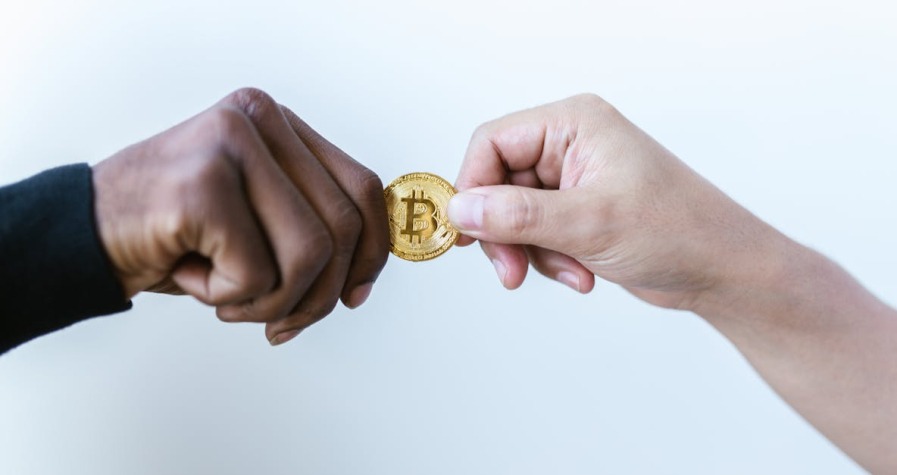
Navigating the world of cryptocurrency can feel overwhelming, especially when prices swing wildly from one day to the next. That’s where USD Coin (USDC) comes in,a stablecoin designed to offer the best of both worlds: the stability of the U.S. dollar and the efficiency of blockchain technology. Created through a collaboration between Circle and Coinbase, USDC is pegged 1:1 to the dollar, making it a reliable digital currency for transactions, savings, and trading without the notorious volatility of other cryptocurrencies.
Whether someone is looking to send money across borders instantly, participate in decentralized finance (DeFi), or simply hold digital dollars without worry, USDC serves as a practical bridge between traditional finance and the crypto ecosystem. This guide walks through everything needed to confidently buy USDC with fiat currency, store it securely, use it for various purposes, and convert it back to traditional money when needed.
Key Takeaways
- USDC is a stablecoin pegged 1:1 to the U.S. dollar, offering price stability backed by regulated reserves and regular third-party audits.
- Buying USDC with fiat currency is straightforward through platforms like Coinbase or Kraken by verifying your identity, depositing funds, and completing the purchase.
- Storing USDC securely requires choosing between exchange wallets for convenience, software wallets for balanced control, or hardware wallets for maximum security.
- USDC enables fast, low-cost international transfers and can be used in DeFi protocols to earn interest, provide liquidity, or access lending services.
- Converting USDC back to fiat involves selling on an exchange and withdrawing to a bank account, typically completing within one to three business days.
- Using USDC as a bridge between traditional finance and crypto offers flexibility for transactions, savings, and trading without cryptocurrency volatility.
What Is USDC and Why Use It?
USD Coin (USDC) is a type of stablecoin,a cryptocurrency whose value is tied to a stable asset, in this case, the U.S. dollar. Each USDC token represents exactly one dollar, and that value is backed by reserves held at regulated financial institutions. This backing provides a level of trust and transparency rarely seen in the broader crypto market.
Unlike Bitcoin or Ethereum, which can experience dramatic price swings, USDC maintains its dollar peg through rigorous financial practices and regular third-party audits. Circle, the primary issuer of USDC, publishes attestation reports that verify the reserves backing every token in circulation. This transparency makes USDC a preferred choice for individuals and businesses seeking stability in digital form.
The reasons to use USDC are compelling. First, it provides stability in an otherwise volatile market, allowing users to hold digital assets without worrying about sudden devaluations. Second, USDC enables fast and affordable cross-border payments,transactions that might take days and cost significant fees through traditional banking can be completed in minutes for a fraction of the cost.
Third, USDC has broad utility across the crypto ecosystem. It’s widely accepted on exchanges for trading, used in decentralized finance protocols for lending and earning interest, and increasingly adopted by merchants for e-commerce payments. Whether someone is a crypto enthusiast, a business owner looking for efficient payment solutions, or someone simply wanting to explore digital currencies, USDC offers a stable, transparent, and practical entry point.
How to Buy USDC With Fiat Currency
Purchasing USDC with traditional fiat currency is straightforward, but choosing the right platform and understanding the process can save time and money. The journey from dollars in a bank account to USDC in a digital wallet involves a few key decisions and steps.
Choosing a Platform to Purchase USDC
The first step is selecting a platform that supports fiat-to-USDC conversions. Not all cryptocurrency exchanges or services offer this feature, so it’s important to pick one that does,and that meets personal needs for security, fees, and ease of use.
Some of the most popular and trusted platforms include Coinbase, Kraken, and services like MoonPay. Coinbase is particularly beginner-friendly, with a simple interface and strong regulatory compliance. Kraken offers competitive fees and a wider range of trading options, appealing to more experienced users. MoonPay acts as a bridge, allowing users to buy crypto with a credit or debit card directly from various wallets and applications.
When choosing a platform, consider factors like security features (two-factor authentication, insurance), transaction fees, supported payment methods (bank transfer, credit card, wire transfer), and whether the platform operates legally in the user’s jurisdiction. Regulated exchanges that comply with Know Your Customer (KYC) and Anti-Money Laundering (AML) laws offer greater protection and peace of mind.
Step-by-Step: Converting Fiat to USDC
Once a platform is chosen, the actual conversion process follows a simple pattern:
- Sign Up and Verify Identity: Create an account on the chosen exchange or service. Most platforms require identity verification, which involves uploading a government-issued ID and sometimes proof of address. This step is necessary to comply with financial regulations and typically takes anywhere from a few minutes to a couple of days.
- Deposit Fiat Currency: After verification, deposit traditional currency into the account. This can be done via bank transfer (ACH in the U.S., SEPA in Europe), debit or credit card, or wire transfer. Bank transfers usually have lower fees but take longer, while card payments are instant but come with higher costs.
- Select USDC and Enter Amount: Navigate to the buying section of the platform, search for USDC, and enter the amount to purchase. The platform will display the exchange rate (which should be approximately 1:1 with the dollar) and any applicable fees.
- Confirm the Purchase: Review the transaction details carefully, including the total cost and fees. Once confirmed, the platform processes the order and credits the account with USDC, usually within seconds to a few minutes.
- Store Your USDC: After purchase, the USDC will typically sit in the platform’s wallet. Users can leave it there for convenience or transfer it to a personal wallet for greater security and control. The next section covers storage options in detail.
Storing and Managing Your USDC
Once USDC is purchased, the question of where to keep it becomes critical. Unlike physical cash, cryptocurrency exists only as data on a blockchain, and controlling access to that data means controlling the funds. The choice of wallet affects both convenience and security.
Wallet Options for USDC
There are three main types of wallets for storing USDC, each with trade-offs:
Exchange Wallets are the default option when buying USDC on a platform like Coinbase or Kraken. These wallets are custodial, meaning the exchange holds the private keys and manages security on the user’s behalf. They’re convenient for frequent trading or quick transactions, but they come with a significant downside,if the exchange is hacked or faces financial trouble, funds could be at risk. Exchange wallets are best for smaller amounts or funds that need to be readily accessible.
Software Wallets (also called hot wallets) are applications or browser extensions like MetaMask, Trust Wallet, or Exodus that users install on their devices. With software wallets, users hold their own private keys, which means full control,but also full responsibility. These wallets are suitable for moderate amounts of USDC and provide a good balance between convenience and security. They’re particularly useful for interacting with decentralized applications (dApps) or DeFi protocols.
Hardware Wallets are physical devices like Ledger or Trezor that store private keys offline. They offer the highest level of security because the keys never touch the internet, making them immune to online hacking attempts. Hardware wallets are ideal for long-term storage or larger amounts of USDC. The trade-off is less convenience,users need to connect the device to a computer or smartphone to access funds.
Many people use a combination: keeping a small amount in an exchange wallet for quick access, a moderate amount in a software wallet for regular use, and the bulk in a hardware wallet for safekeeping.
Security Best Practices
Regardless of which wallet type is chosen, following security best practices is essential. Start by enabling two-factor authentication (2FA) on all accounts and wallets that support it. This adds an extra layer of protection beyond just a password.
Never share private keys or recovery phrases with anyone. These strings of words or characters are the only way to recover a wallet if a device is lost or damaged, and anyone who has them can access the funds. Write them down on paper and store them in a secure location,never save them digitally or in cloud storage.
For those holding significant amounts, consider splitting funds across multiple wallets to reduce risk. Regularly update wallet software to ensure the latest security patches are in place, and be cautious of phishing attempts,scammers often impersonate legitimate platforms or wallets to steal credentials.
Finally, double-check addresses before sending USDC. Blockchain transactions are irreversible, and sending funds to the wrong address means they’re gone for good. Taking a few extra seconds to verify can prevent costly mistakes.
Using USDC for Transactions and Transfers
USDC isn’t just for holding or trading,it’s a functional currency designed for real-world use. Its stability and low transaction costs make it ideal for a variety of purposes, from simple peer-to-peer transfers to complex financial operations.
Sending USDC to Other Users
One of USDC’s most practical applications is sending money to other people, whether they’re across the street or across the globe. Unlike traditional wire transfers or remittance services that can take days and charge hefty fees, USDC transactions are typically completed within minutes and cost a fraction of the amount.
To send USDC, all that’s needed is the recipient’s wallet address,a long string of letters and numbers unique to their wallet. Most wallet applications have a simple “send” function: paste the recipient’s address, enter the amount, and confirm the transaction. The USDC moves on the blockchain (usually Ethereum or one of several other supported networks) and arrives in the recipient’s wallet almost instantly.
This capability is particularly valuable for international payments. Someone in the United States can send USDC to a friend in Europe or Asia without worrying about currency conversion fees, bank intermediaries, or delayed processing. The recipient can then convert the USDC to their local currency or use it directly if they’re comfortable holding crypto.
It’s worth noting that transaction fees vary depending on the blockchain network used. Ethereum-based USDC transfers can sometimes have higher gas fees during periods of network congestion, while transactions on networks like Solana, Polygon, or Algorand are often much cheaper. Users should check which networks their wallets and platforms support to optimize costs.
Using USDC in Decentralized Finance
Beyond simple transfers, USDC plays a major role in the world of decentralized finance (DeFi). DeFi protocols are blockchain-based platforms that offer financial services without traditional intermediaries like banks. USDC’s stability makes it a preferred asset for these applications.
Users can lend USDC on platforms like Aave or Compound and earn interest,often at rates higher than traditional savings accounts. Borrowers, in turn, can use USDC as collateral to take out loans in other cryptocurrencies without needing a credit check or bank approval.
Liquidity provision is another popular use case. By depositing USDC into liquidity pools on decentralized exchanges like Uniswap or Curve, users help help trading and earn a share of transaction fees in return. Some platforms also offer staking or yield farming opportunities where USDC holders can earn additional rewards.
DeFi opens up financial opportunities that were previously inaccessible or inefficient, but it also comes with risks,smart contract vulnerabilities, platform failures, and market volatility (even for stablecoins in certain edge cases). Anyone venturing into DeFi should research platforms carefully, start with small amounts, and understand the risks involved.
How to Convert USDC Back to Fiat
At some point, users may want to convert their USDC back into traditional fiat currency,whether to spend it, pay bills, or simply cash out. The process is essentially the reverse of buying USDC, and it’s just as straightforward.
Withdrawal Methods and Timing
To convert USDC back to fiat, users return to a cryptocurrency exchange that supports fiat withdrawals, such as Coinbase, Kraken, or Binance (depending on the region). The general steps are:
- Transfer USDC to the Exchange: If the USDC is stored in a personal wallet, send it to the user’s wallet address on the exchange. This step isn’t necessary if the USDC is already held on the platform.
- Sell USDC for Fiat: Navigate to the trading or sell section, select USDC, and choose the fiat currency (USD, EUR, etc.). Enter the amount to sell and confirm the transaction. The platform will credit the account with the equivalent fiat value, usually at a 1:1 rate minus any fees.
- Withdraw to Bank Account: Once the fiat is in the exchange account, initiate a withdrawal to a linked bank account. This can be done via bank transfer, wire transfer, or other supported methods.
Timing varies depending on the withdrawal method. Bank transfers (ACH in the U.S., for example) typically take one to three business days. Wire transfers are faster, often completing within 24 hours, but come with higher fees. Some platforms offer instant withdrawals to debit cards, though these may also carry additional costs.
Fees and Considerations
Fees are an important consideration when converting USDC back to fiat. Most exchanges charge a small fee for selling USDC (often a percentage of the transaction), and withdrawal fees can vary widely. Bank transfers tend to be cheaper, while wire transfers and card withdrawals are more expensive.
Also, users should be aware of blockchain network fees when transferring USDC from a personal wallet to an exchange. These fees fluctuate based on network congestion and the blockchain used. Planning transfers during off-peak times or using lower-cost networks can help minimize expenses.
It’s also wise to keep records of all transactions for tax purposes. In many jurisdictions, converting cryptocurrency to fiat is a taxable event, and exchanges may report activity to tax authorities. Consulting with a tax professional familiar with crypto can help ensure compliance and avoid surprises.
Finally, consider the platform’s withdrawal limits. Some exchanges impose daily or monthly caps on fiat withdrawals, especially for new accounts. Verifying these limits in advance can prevent delays when cashing out larger amounts.
Conclusion
USDC represents a powerful tool for anyone looking to move seamlessly between the traditional financial system and the digital economy. Its stability, transparency, and versatility make it an accessible and practical stablecoin for both newcomers and experienced crypto users alike.
From buying USDC with fiat currency on trusted platforms to storing it securely in the wallet of choice, the process is designed to be user-friendly without sacrificing safety. Whether the goal is to send money internationally, participate in decentralized finance, or simply hold digital dollars, USDC provides the infrastructure to do so efficiently and affordably.
Converting USDC back to fiat is equally straightforward, ensuring that users maintain flexibility and control over their funds. By understanding the platforms, fees, and best practices involved, individuals and businesses can confidently leverage USDC as a bridge between two financial worlds,one rooted in tradition, the other in innovation. As the crypto landscape continues to evolve, stablecoins like USDC will likely play an increasingly central role in everyday transactions, savings, and financial services.
Frequently Asked Questions
What is USDC and how does it maintain its $1 value?
USDC is a stablecoin pegged 1:1 to the U.S. dollar, backed by reserves held at regulated financial institutions. Circle publishes regular attestation reports verifying these reserves, ensuring transparency and maintaining the dollar peg through rigorous financial practices and third-party audits.
How do I buy USDC with fiat currency?
To buy USDC, create an account on a platform like Coinbase or Kraken, complete identity verification, deposit fiat via bank transfer or card, select USDC, and confirm your purchase. The USDC is credited to your account within minutes after the transaction is processed.
Which wallet is safest for storing USDC?
Hardware wallets like Ledger or Trezor offer the highest security for storing USDC by keeping private keys offline. For moderate amounts and regular use, software wallets like MetaMask provide a good balance, while exchange wallets suit smaller amounts needing quick access.
Can I earn interest on my USDC holdings?
Yes, you can earn interest on USDC through DeFi platforms like Aave and Compound by lending your coins, or by providing liquidity on decentralized exchanges like Uniswap. These typically offer higher rates than traditional savings accounts, though they carry different risk profiles.
How long does it take to convert USDC back to dollars?
Converting USDC to fiat takes minutes on an exchange, but withdrawing to your bank account varies by method. ACH bank transfers typically take one to three business days, wire transfers complete within 24 hours, and some platforms offer instant debit card withdrawals.
Are there tax implications when using USDC?
Yes, in many jurisdictions, converting USDC to fiat currency is considered a taxable event. Exchanges may report your activity to tax authorities, so it’s important to keep detailed transaction records and consult with a tax professional familiar with cryptocurrency regulations.