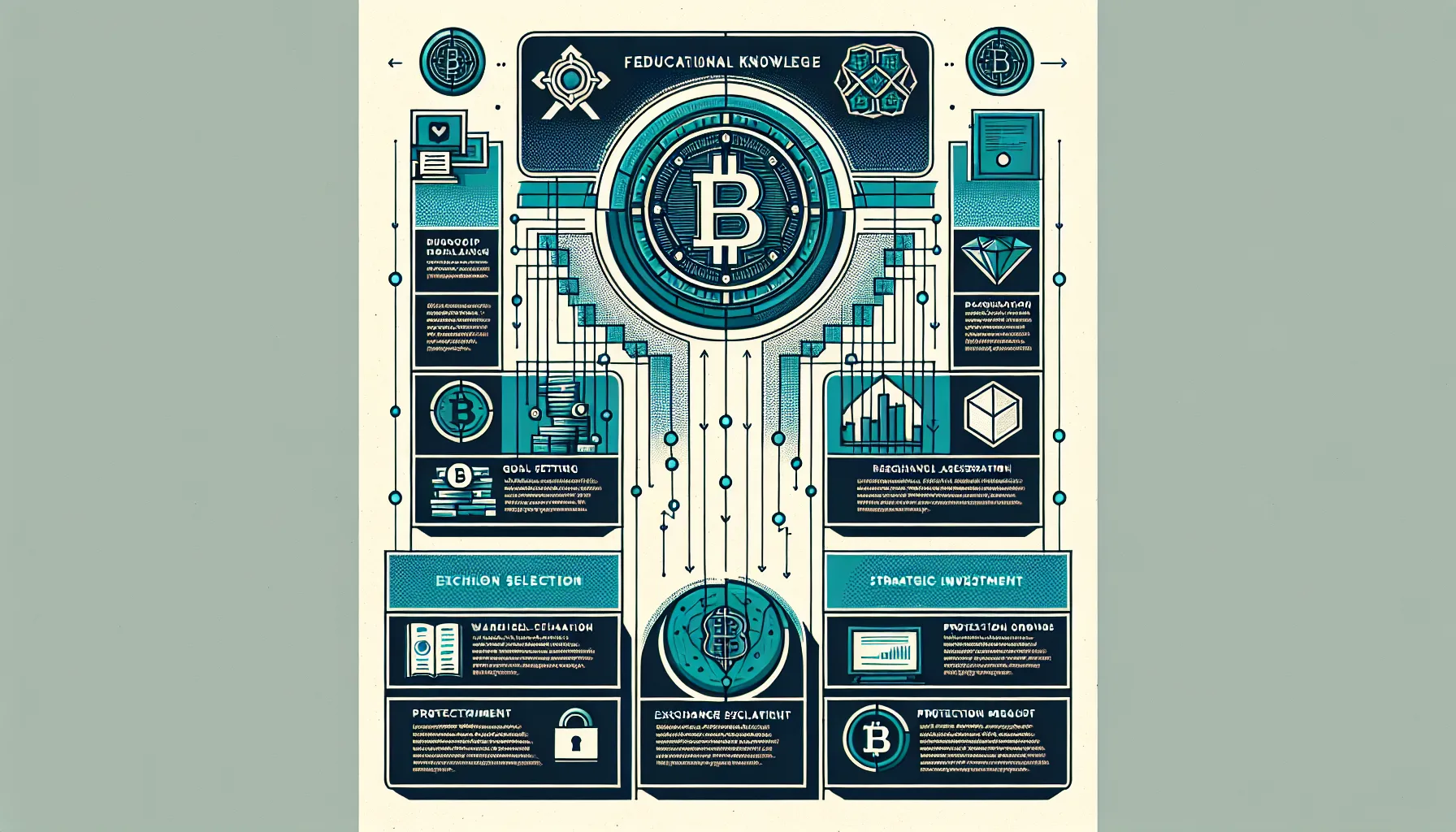
Cryptocurrency has transformed from a niche digital experiment into a legitimate asset class, drawing attention from investors worldwide. Yet for those standing on the sidelines, taking that first step can feel daunting, markets shift rapidly, jargon flies thick, and stories of both overnight fortunes and crushing losses abound. The good news? Starting a crypto investment journey doesn’t have to be a leap in the dark. With a structured approach that prioritises knowledge, security, and sensible risk management, beginners can enter this space confidently and responsibly. This guide walks through the essential steps to make that first investment the right way, from grasping the fundamentals to executing a purchase and building a strategy designed to last.
Key Takeaways
- Understanding cryptocurrency fundamentals and blockchain technology is essential before making your first crypto investment to avoid costly mistakes.
- Start your crypto investment journey with amounts you can afford to lose, ideally between £10 to £100, whilst prioritising FCA-registered exchanges for security and regulatory compliance.
- Secure your crypto assets properly by using cold wallets for long-term holdings and enabling two-factor authentication to protect against hacking and theft.
- Adopt a pound-cost averaging strategy when starting your first crypto investment to smooth out market volatility and avoid emotional buying during price surges.
- Diversify your portfolio across established cryptocurrencies like Bitcoin and Ethereum rather than chasing speculative meme coins or investing borrowed money.
- Develop a long-term investment strategy with clear goals and regular portfolio reviews, treating crypto as part of a broader financial plan rather than a get-rich-quick scheme.
Understanding the Basics of Cryptocurrency
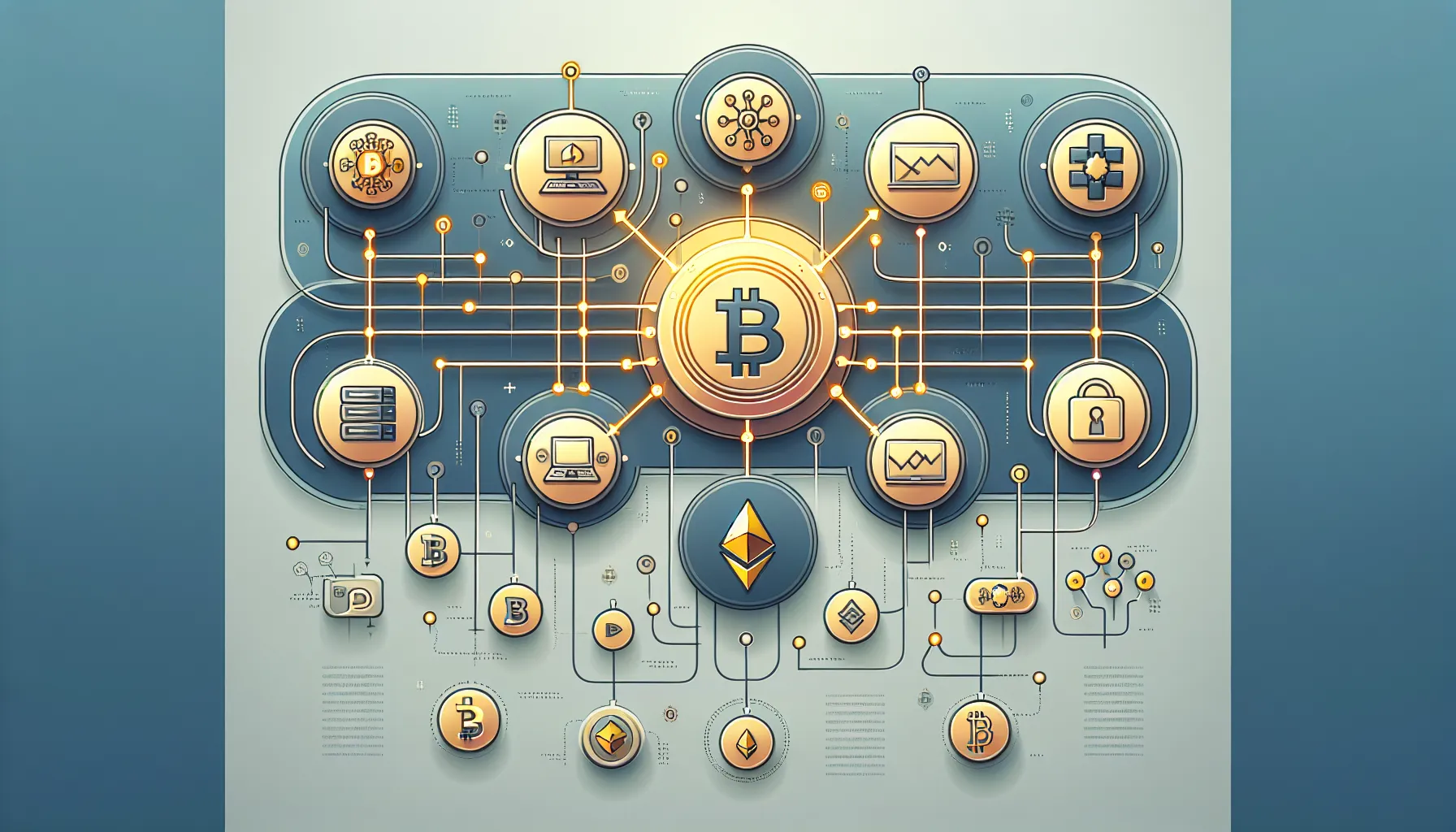
Before committing any money, it’s crucial to understand what cryptocurrency actually is and how it operates. At its core, cryptocurrency is a form of digital or virtual money built on blockchain technology, a decentralised ledger system that records transactions across a network of computers. This structure ensures transparency, security, and immutability, meaning once a transaction is confirmed, it can’t be easily altered or reversed.
Unlike traditional currencies issued and regulated by central banks, cryptocurrencies operate independently. Bitcoin, Ethereum, and thousands of other coins help peer-to-peer transactions without intermediaries, enabling borderless, often faster transfers. This independence is both a strength and a source of volatility, as crypto markets aren’t cushioned by government intervention or monetary policy.
What Cryptocurrency Is and How It Works
A cryptocurrency is a digital asset secured by cryptography, making counterfeiting or double-spending extremely difficult. Transactions are validated and recorded on a blockchain, a public, distributed ledger accessible to anyone but controlled by no single entity. Each participant in the network holds a copy of this ledger, and consensus mechanisms (like proof-of-work or proof-of-stake) ensure agreement on transaction validity.
Ownership and control hinge on a pair of cryptographic keys: a public key (similar to an account number) that others use to send funds, and a private key (akin to a password) that the owner must keep secret to authorise transactions. Lose the private key, and access to the funds is lost, permanently. This system enables secure, direct transfers without banks or payment processors, but it also places full responsibility on the user.
Different Types of Cryptocurrencies to Consider
The crypto landscape is vast, with thousands of coins and tokens, each serving different purposes. For beginners, it’s wise to start with well-established options:
- Bitcoin (BTC): The original cryptocurrency, launched in 2009, remains the most recognised and widely adopted. Often viewed as “digital gold,” Bitcoin is primarily a store of value and medium of exchange.
- Ethereum (ETH): Beyond currency, Ethereum introduced smart contracts, self-executing agreements coded directly into the blockchain. This innovation powers decentralised applications (dApps) and has made Ethereum the backbone of much of the crypto ecosystem.
- Altcoins: This umbrella term covers all cryptocurrencies other than Bitcoin. Notable examples include Solana (known for speed), Cardano (focused on sustainability and scalability), Ripple (designed for institutional cross-border payments), and even meme coins like Dogecoin, which gained popularity through community and celebrity endorsements.
When evaluating any cryptocurrency, consider its use case (what problem does it solve?), market capitalisation (a rough measure of size and stability), liquidity (how easily can it be bought or sold?), and the credibility of its development team. A coin with a clear purpose, active development, and healthy trading volume is generally a safer bet than speculative tokens with little substance.
Setting Clear Investment Goals and Risk Tolerance
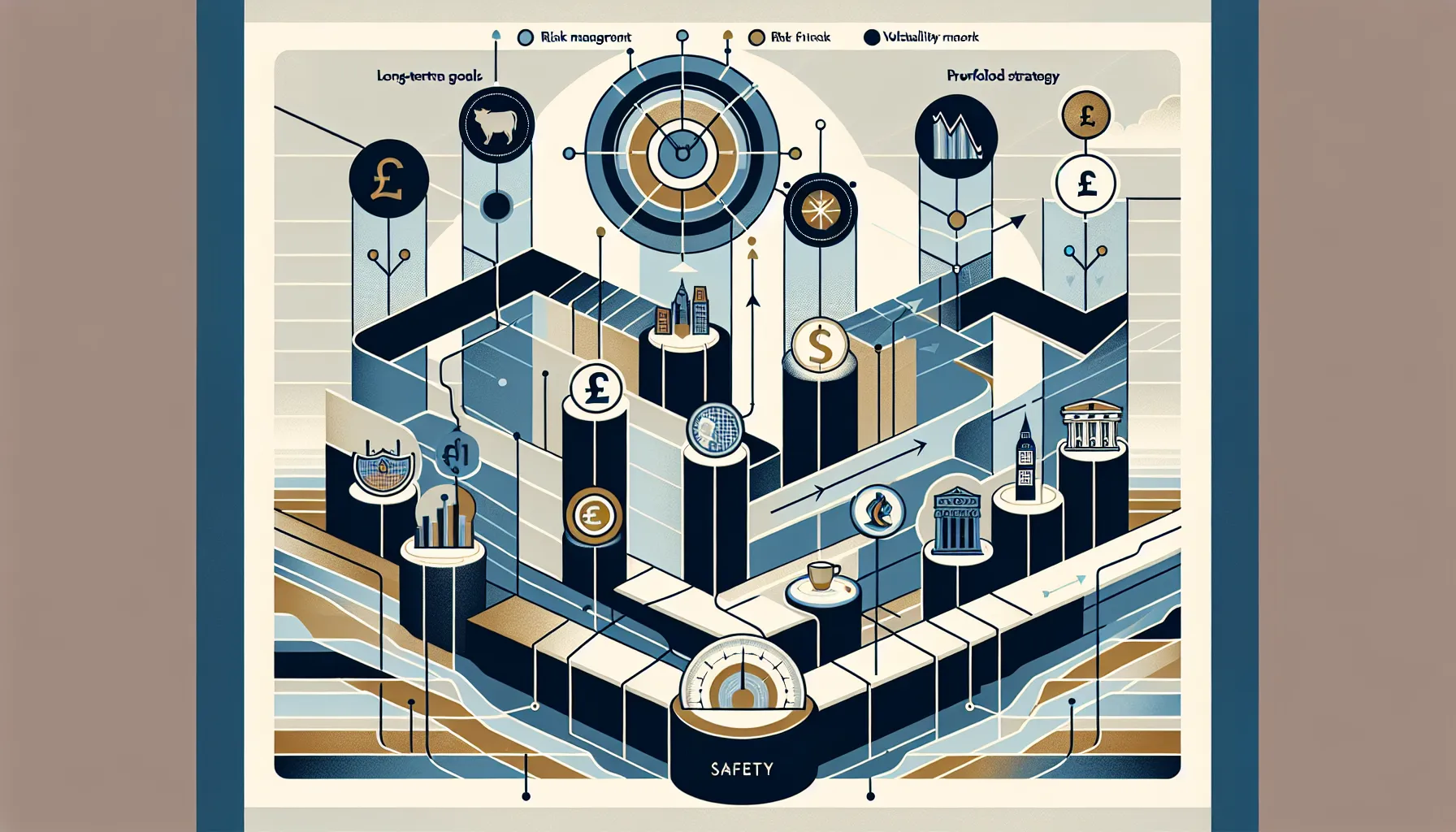
Jumping into crypto without a plan is a recipe for emotional decision-making and potential losses. Before selecting a coin or an exchange, take time to define what you hope to achieve. Are you seeking long-term growth, portfolio diversification, or perhaps a hedge against traditional market downturns? Clear objectives will guide your choice of assets and inform how actively you manage your holdings.
Equally important is understanding your risk tolerance. Cryptocurrency is notoriously volatile, prices can surge or plummet by double-digit percentages in a single day. For some investors, this volatility represents opportunity: for others, it’s a source of stress and sleepless nights. Be honest about how much fluctuation you can stomach, both financially and psychologically.
A golden rule in crypto investing is never to invest more than you can afford to lose. This isn’t mere caution: it’s a safeguard against making desperate decisions during downturns. If a market crash would jeopardise your rent, bills, or emergency fund, you’re overexposed. Start with amounts that, if lost entirely, wouldn’t derail your financial stability. As you gain experience and confidence, you can adjust your allocation accordingly.
Think of this stage as setting the guardrails for your journey. With clear goals and a realistic assessment of risk, you’re far less likely to panic-sell during dips or chase hype-driven rallies, two of the most common and costly mistakes new investors make.
Choosing the Right Cryptocurrency Exchange
Once you’re clear on your goals and risk appetite, the next step is selecting a platform to buy and manage your crypto. A cryptocurrency exchange is essentially a marketplace where users can trade digital assets, and choosing the right one is critical for a smooth, secure experience.
In the UK, it’s essential to use an exchange registered with the Financial Conduct Authority (FCA). This registration signals that the platform meets certain anti-money laundering and regulatory standards, offering a layer of consumer protection. Leading exchanges available to UK investors include eToro, Coinbase, Binance, and Kraken, each with its own strengths in terms of coin variety, fees, and user interface.
When comparing platforms, prioritise ease of use, especially if you’re new. A cluttered, confusing interface can make even simple tasks frustrating. Equally, check the range of cryptocurrencies on offer: some exchanges list hundreds of coins, while others focus on the most popular.
Key Features to Look for in an Exchange
Not all exchanges are created equal, and a few key features separate the best from the rest:
- Security: Look for platforms that employ two-factor authentication (2FA), encryption, and cold storage for the bulk of user funds. A history free of major hacks is a positive sign, though no platform is entirely immune.
- Transparent Fee Structure: Trading fees, deposit fees, withdrawal fees, they add up. Some exchanges charge a flat percentage per trade, others use a tiered system based on volume. Make sure you understand the costs before committing.
- Reputation and Track Record: Research user reviews, regulatory history, and how the exchange has handled past issues. A platform with responsive customer support and a solid reputation is worth its weight in Bitcoin.
- Variety of Coins: If you plan to explore beyond Bitcoin and Ethereum, ensure the exchange supports the altcoins you’re interested in.
- Customer Support: Problems can arise, frozen accounts, failed transfers, verification issues. Access to helpful, timely support can make all the difference.
Verifying Your Account and Meeting Regulatory Requirements
Before you can trade, you’ll need to verify your identity, a process known as Know Your Customer (KYC). This is mandatory on all major UK exchanges and involves uploading a government-issued ID (passport or driving licence), proof of address (utility bill or bank statement), and sometimes a selfie for facial recognition.
Whilst this might feel intrusive, KYC protects both the platform and its users by reducing fraud, money laundering, and account theft. The process usually takes a few minutes to a few days, depending on the exchange’s verification queue. Once approved, you can deposit funds and begin trading. Don’t skip or rush this step, incomplete verification can delay your first purchase and lock you out of key features.
Securing Your Crypto Assets Properly
Security is one of the most overlooked aspects of crypto investing, yet it’s arguably the most important. Unlike traditional bank accounts with deposit insurance and fraud protections, cryptocurrency transactions are irreversible, and lost or stolen coins are almost never recoverable.
A common mistake beginners make is leaving their entire holdings on an exchange. Whilst convenient for trading, exchanges are attractive targets for hackers. High-profile breaches have seen millions worth of crypto disappear overnight. For small amounts or active trading, keeping funds on a reputable exchange may be acceptable. But for larger holdings or long-term investments, moving assets to a personal wallet is the safer choice.
Understanding Wallets: Hot vs Cold Storage
Cryptocurrency wallets come in two main varieties: hot and cold.
- Hot Wallets: These are connected to the internet, think mobile apps, desktop software, or web-based wallets. They’re convenient and ideal for frequent transactions, but their online nature makes them more vulnerable to hacking, phishing, and malware.
- Cold Wallets: Offline storage solutions, typically hardware devices like Ledger or Trezor, or even paper wallets. Because they’re not connected to the internet, cold wallets offer superior security and are the preferred choice for storing significant sums over the long term.
For most beginners, a sensible approach is to keep a small amount in a hot wallet for ease of access and transfer the bulk to a cold wallet for safekeeping. This balance offers both convenience and peace of mind.
Implementing Strong Security Practices
Beyond choosing the right wallet, a handful of simple habits can dramatically improve your crypto security:
- Use Strong, Unique Passwords: Avoid recycling passwords across platforms. A password manager can help generate and store complex passwords securely.
- Enable Two-Factor Authentication (2FA): Require a second verification step, usually a code from an authenticator app, before accessing your account. This adds a critical barrier against unauthorised logins.
- Keep Software Updated: Wallet apps, operating systems, and security software should be regularly updated to patch vulnerabilities.
- Beware of Phishing: Be cautious of emails, messages, or websites that mimic legitimate exchanges or wallets. Always double-check URLs and never share your private keys or seed phrases with anyone.
- Back Up Your Wallet: Most wallets provide a recovery phrase (seed phrase), a series of words that can restore access if your device is lost or damaged. Write it down, store it offline in a secure location, and never store it digitally where it could be hacked.
These steps might seem tedious, but they’re the difference between safeguarding your investment and watching it vanish.
Making Your First Purchase Strategically
With your exchange account verified, security measures in place, and a clear understanding of your goals, you’re ready to make your first purchase. But how should you approach it?
Start by funding your account. Most exchanges accept bank transfers, debit cards, or even PayPal, though fees and processing times vary. Bank transfers are usually the cheapest but can take a day or two: card payments are instant but often come with higher fees.
Once your account is funded, navigate to the trading or buy section, select the cryptocurrency you’ve researched, specify the amount you wish to purchase, and review the transaction details, including fees. Double-check everything before confirming. Once executed, the coins will appear in your exchange wallet, and you can then decide whether to leave them there or transfer them to your personal wallet.
How Much to Invest as a Beginner
It’s tempting to immerse with a large sum, especially if the market is rallying and fear of missing out (FOMO) kicks in. Resist that urge. As a beginner, it’s wiser to start small, perhaps £10 to £100, until you’re comfortable with how the market behaves and how the platform operates.
This modest approach allows you to learn without significant financial risk. You’ll experience the emotions that come with price swings, understand transaction processes, and get a feel for market cycles. Once you’ve built confidence and knowledge, you can gradually increase your investment in line with your goals and risk tolerance.
Timing Your Entry and Avoiding Common Mistakes
Timing the market perfectly is nearly impossible, even for seasoned traders. Rather than trying to buy at the absolute bottom, consider pound-cost averaging (DCA), investing a fixed amount at regular intervals regardless of price. This strategy smooths out volatility and removes the stress of timing.
Avoid common pitfalls:
- FOMO (Fear Of Missing Out): Buying impulsively during a price surge often leads to buying high and selling low.
- Panic Selling: Markets drop: it’s part of the cycle. Selling in a panic locks in losses and prevents recovery.
- Investing Borrowed Money: Never use credit cards or loans to buy crypto. The risk of amplified losses far outweighs potential gains.
- Chasing Hype: Meme coins and flavour-of-the-month tokens can be tempting, but they’re often driven by speculation rather than fundamentals. Stick to assets you understand.
Patience, research, and discipline are your best allies in navigating your first purchase and the purchases that follow.
Developing a Long-Term Investment Strategy
Crypto investing isn’t a get-rich-quick scheme, even though what social media influencers might suggest. The investors who succeed over the long haul are those who treat it as part of a broader financial strategy, not a casino.
Develop a plan that aligns with your goals. If you’re investing for long-term growth, adopt a “buy and hold” mentality, weathering short-term volatility in pursuit of multi-year gains. Historically, Bitcoin and Ethereum have rewarded patient investors, though past performance is never a guarantee of future results.
Diversification is equally important. Don’t put all your funds into a single coin, no matter how promising it seems. Spread your investment across a handful of established cryptocurrencies with different use cases and risk profiles. This reduces the impact of any one asset’s poor performance.
Periodically review your portfolio, perhaps quarterly or bi-annually. Market conditions change, new technologies emerge, and your personal circumstances evolve. Adjust your holdings as needed, but avoid the trap of obsessively checking prices daily. Constant monitoring breeds anxiety and impulsive decisions.
Finally, stay informed. Follow reputable crypto news sources, understand regulatory developments, and keep learning about blockchain technology and emerging projects. The more knowledgeable you become, the better equipped you’ll be to navigate this dynamic landscape.
Crypto investing involves real risks, but approached methodically, with security and long-term thinking at the forefront, it can be a valuable component of a balanced investment portfolio.
Conclusion
Starting your first crypto investment doesn’t require a leap of faith, it requires a plan. By understanding the fundamentals of blockchain and digital assets, setting clear goals and realistic risk boundaries, choosing a secure and reputable exchange, safeguarding your holdings with proper wallet management, and making strategic, informed purchases, beginners can enter the market with confidence rather than confusion.
The crypto space rewards patience, discipline, and continuous learning. It punishes impulsiveness, overconfidence, and carelessness. Treat your first investment as the beginning of a longer journey, not a one-off gamble. Start small, stay secure, and build your knowledge alongside your portfolio. Done right, crypto investing can open doors to a new asset class with genuine potential, just remember that the “right way” is always the informed, cautious, and deliberate way.
Frequently Asked Questions
What is the minimum amount I should invest in cryptocurrency as a beginner?
Start with a small amount between £10 and £100 until you’re comfortable with how the market operates. This allows you to learn without significant financial risk and experience price fluctuations whilst building confidence and knowledge before increasing your investment.
How do I choose the right crypto exchange in the UK?
Select an FCA-registered exchange such as Coinbase, Binance, or Kraken. Prioritise platforms with strong security features, transparent fee structures, good reputation, responsive customer support, and a user-friendly interface suitable for beginners. Verify the platform supports the cryptocurrencies you’re interested in.
What is the difference between hot and cold crypto wallets?
Hot wallets are connected to the internet and convenient for frequent transactions but more vulnerable to hacking. Cold wallets are offline storage devices like Ledger or Trezor, offering superior security for long-term holdings. Beginners should use both for balance.
Should I keep my cryptocurrency on an exchange or move it to a wallet?
For small amounts or active trading, keeping funds on reputable exchanges is acceptable. However, for larger holdings or long-term investments, transfer assets to a personal wallet, preferably cold storage, as exchanges are attractive hacking targets and offer no deposit insurance.
What is pound-cost averaging and why is it recommended for crypto investment?
Pound-cost averaging involves investing a fixed amount at regular intervals regardless of price. This strategy smooths out market volatility, removes the stress of timing the market perfectly, and prevents emotional buying decisions driven by fear of missing out on price surges.
Can I recover my cryptocurrency if I lose my private key?
No, if you lose your private key without a backup recovery phrase, access to your funds is permanently lost. This is why backing up your wallet’s seed phrase and storing it securely offline is absolutely critical to protecting your crypto investment.