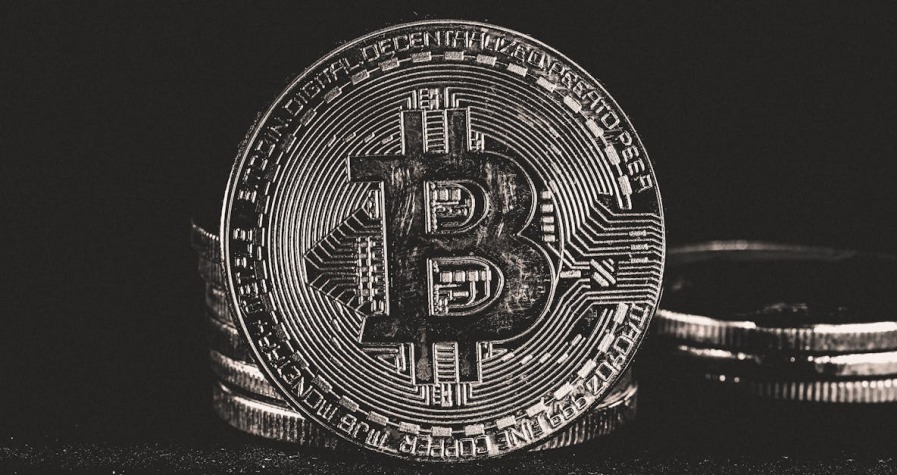
The cryptocurrency market offers extraordinary opportunities, but it’s equally notorious for its volatility and high-profile failures. Investors who jump into a coin without proper research risk losing substantial sums to poorly conceived projects, outright scams, or simply ill-timed decisions. Whilst some might get lucky riding a hype wave, sustainable success in crypto investing requires a methodical approach, one grounded in hard data, transparency checks, and an honest evaluation of both potential and risk.
For anyone serious about entering the crypto space, thorough research isn’t optional: it’s essential. The process involves more than glancing at a price chart or reading a flashy marketing page. It demands digging into whitepapers, scrutinising teams, analysing tokenomics, assessing market behaviour, and evaluating community dynamics. Each layer of investigation adds clarity and helps separate legitimate projects from those destined to disappoint.
This guide walks through the critical steps an investor should take before committing capital to a cryptocurrency. By understanding what to look for, and what red flags to avoid, investors can make more informed decisions and navigate the crypto landscape with greater confidence.
Key Takeaways
- Researching a crypto coin before you invest is essential to avoid scams, poorly conceived projects, and ill-timed decisions in the volatile cryptocurrency market.
- Always read the whitepaper thoroughly to understand the project’s technology, roadmap, and whether it addresses a genuine problem with meaningful innovation.
- Investigate the team’s credibility and check GitHub repositories for active development, as transparent leadership and consistent code updates signal a project’s technical health.
- Analyse tokenomics carefully, including total supply, circulation, and token distribution, to assess fairness and avoid risks from insider sell-offs or supply manipulation.
- Evaluate market performance, liquidity, and exchange listings to ensure you can trade effectively, and watch for red flags like anonymous teams, unrealistic promises, or poor communication.
- A strong, engaged community and transparent communication from the project team are positive indicators of long-term viability and commitment.
Understanding the Project and Its Purpose

Before an investor considers putting money into any cryptocurrency, they need to grasp what the project actually is and what it’s trying to achieve. This foundational step determines whether the coin has genuine utility or simply exists to capitalise on market enthusiasm.
Read the Whitepaper Thoroughly
The whitepaper is the project’s blueprint. It should lay out the technology, objectives, roadmap, and the mechanisms by which the coin will deliver on its promises. A well-crafted whitepaper explains complex ideas clearly without resorting to vague marketing speak or dodging technical details.
Investors should read the whitepaper with a critical eye. Does it explain how the technology works, not just what it claims to do? Are there clear milestones and a realistic timeline? Does the document cite research, present data, or offer evidence of feasibility? Projects with thin, poorly written, or overly promotional whitepapers often lack substance.
A thorough whitepaper also addresses potential challenges and limitations. If a project presents itself as flawless or revolutionary without acknowledging trade-offs, that’s a warning sign. Legitimate teams understand the complexities of blockchain development and aren’t afraid to discuss them.
Evaluate the Problem It Solves
Every credible cryptocurrency should address a specific problem or introduce meaningful innovation. Investors need to ask: what gap does this coin fill? Is it attempting to improve transaction speed, reduce costs, enhance privacy, enable decentralised finance, or something else entirely?
Some projects simply rehash existing features without adding value. If a coin’s main selling point is that it’s “faster than Bitcoin” but offers nothing else unique, it may struggle to gain traction in a crowded market. Genuine innovation, whether it’s a novel consensus mechanism, a new use-case, or an underserved market niche, gives a project staying power.
Transparency matters here, too. The project’s official website and documentation should clearly articulate its purpose and target audience. If an investor can’t quickly understand what the coin does or why it matters, that’s often because the project itself hasn’t figured it out.
Assessing the Team and Development Activity

A cryptocurrency is only as strong as the people building it. The team’s credibility, experience, and commitment provide crucial signals about whether a project is likely to succeed or fizzle out.
Research the Founders and Core Team
Investors should investigate who’s behind the project. Are the founders and key team members publicly identified, or is the team anonymous? Whilst pseudonymity has its place in crypto culture, transparency about leadership inspires greater confidence, especially for projects seeking significant investment.
Professional profiles on platforms like LinkedIn offer insight into a team’s background. Do they have relevant experience in blockchain, software development, finance, or the industry they’re targeting? Have they successfully launched previous projects, or is this their first venture? A team with a proven track record and deep expertise is far more likely to navigate the challenges of building a functional, scalable cryptocurrency.
Beware of projects where team members have minimal online presence, vague credentials, or a history of failed or abandoned ventures. Scammers often fabricate team profiles or use stock photos, so cross-referencing names and faces is a sensible precaution.
Check GitHub and Development Progress
GitHub repositories offer a window into a project’s technical health. Active development, with frequent commits, regular updates, and version releases, signals that the team is making tangible progress. Stagnant repositories with few or outdated commits suggest the project may be dormant or lacking technical capacity.
Investors don’t need to be software developers to assess GitHub activity. They can look at the frequency of updates, the number of contributors, and whether the codebase is open-source. Open-source projects invite external scrutiny and contributions, which enhances trust and security.
If a project claims to be building cutting-edge technology but has no public code or refuses to share its repository, that’s a red flag. Transparency in development isn’t just good practice, it’s essential for credibility.
Analysing Tokenomics and Supply Metrics
Tokenomics, the economic model governing a cryptocurrency, plays a critical role in its long-term viability and price behaviour. Investors need to understand how tokens are created, distributed, and managed over time.
Review Total Supply and Circulation
The total supply refers to the maximum number of tokens that will ever exist, whilst circulating supply is the amount currently available in the market. Scarcity can drive perceived value, but it’s not the only factor that matters.
A coin with a capped supply (like Bitcoin’s 21 million) may benefit from scarcity, but unlimited or excessively high supply can dilute value. But, supply alone doesn’t determine a coin’s worth. Demand, utility, and market sentiment all play significant roles.
Investors should also consider inflation rates. Does the coin have a fixed issuance schedule, or does supply increase unpredictably? Predictable, transparent supply models inspire confidence: opaque or erratic supply mechanisms raise concerns.
Understand Token Distribution and Vesting Schedules
How tokens were initially distributed reveals much about a project’s fairness and potential risks. Investors should investigate:
- What percentage went to the team and advisers?
- How much was allocated to development funds or marketing?
- What portion was sold publicly?
- Are there vesting schedules that lock tokens for a period?
If a large percentage of tokens is held by insiders with short or no vesting periods, the risk of a sudden sell-off increases. Early investors or team members dumping tokens can trigger sharp price drops, leaving later investors holding depreciated assets.
Projects with transparent, fair distribution models, where tokens are released gradually and aligned with project milestones, tend to inspire greater trust. Excessive concentration of supply among a few wallets is a warning sign of potential manipulation.
Examining Market Performance and Liquidity
Market data provides insight into how a cryptocurrency is performing in the real world. Price history, trading volume, and liquidity depth all influence an investor’s ability to enter and exit positions effectively.
Study Price History and Trading Volume
Price charts reveal a coin’s volatility and market behaviour. Extreme swings might indicate speculative interest or manipulation, whilst steady, organic growth suggests healthier investor confidence.
Trading volume is equally important. High volume indicates active interest and liquidity, making it easier to buy or sell without significantly affecting the price. Conversely, low volume can signal weak demand or limited market interest, increasing the risk of illiquidity.
Investors should also watch for unusual patterns. Sudden, unexplained price spikes followed by crashes can indicate pump-and-dump schemes. Consistent volume across multiple exchanges is generally more reassuring than sporadic activity concentrated on a single platform.
Verify Exchange Listings and Liquidity Depth
Where a coin is traded matters. Listings on reputable, well-established exchanges (such as Binance, Coinbase, or Kraken) lend credibility. Lesser-known exchanges may have weaker security, lower liquidity, or lax listing standards.
Liquidity depth, the volume of buy and sell orders at various price levels, affects how smoothly an investor can execute trades. Shallow liquidity means large orders can move the price dramatically, making it harder to exit a position at a favourable price.
Before investing, check whether the coin has sufficient liquidity on the platforms where it’s listed. Thin order books and wide bid-ask spreads are red flags that suggest limited market participation.
Evaluating Community and Social Presence
A strong, engaged community often underpins successful cryptocurrency projects. Social dynamics and communication quality offer valuable clues about a project’s health and longevity.
Assess Community Engagement and Sentiment
Active communities on platforms like X (formerly Twitter), Telegram, Reddit, and Discord can indicate genuine interest and organic growth. Investors should observe not just the size of the community but also the quality of engagement.
Are community members asking thoughtful questions, sharing constructive feedback, and contributing to discussions? Or is the conversation dominated by hype, memes, and empty speculation? A community focused on technology, use-cases, and development is more promising than one fixated solely on price.
Sentiment analysis can also be revealing. Overwhelmingly positive sentiment with no critical voices might suggest a cult-like atmosphere or suppression of dissent. Healthy communities welcome debate and aren’t afraid to address concerns.
Look for Transparency in Communication
Transparency in how a project communicates with its community is essential. Regular updates, open-source code, clear responses to issues, and accessible team members all build trust.
Projects that go silent for long periods, dodge difficult questions, or censor criticism should raise suspicion. Legitimate teams understand that transparency fosters confidence and aren’t defensive when faced with scrutiny.
Investors should also check whether the project has a clear, accessible roadmap and provides progress reports. Consistent, honest communication signals that the team is committed and accountable.
Identifying Red Flags and Risks
Even after thorough research, certain warning signs should prompt investors to reconsider or walk away entirely. Recognising red flags can prevent costly mistakes.
Anonymous or Unverifiable Teams: Whilst some legitimate projects maintain pseudonymity, lack of any verifiable information about the team is concerning. Scammers hide behind anonymity.
Unrealistic Promises: Claims of guaranteed returns, overly ambitious timelines, or revolutionary technology without evidence should trigger scepticism. If it sounds too good to be true, it probably is.
Lack of Public Code or Documentation: Projects refusing to share code, provide detailed whitepapers, or explain their technology are often hiding weaknesses or outright fraud.
Opaque Tokenomics: Unclear or secretive token distribution, excessive insider holdings without vesting, or sudden changes to supply models undermine trust.
Low Liquidity and Limited Exchange Listings: Coins only available on obscure exchanges with thin trading volume are harder to sell and more vulnerable to manipulation.
Poor Communication and Community Management: Projects that ignore questions, suppress criticism, or fail to provide updates likely lack commitment or competence.
Regulatory Concerns: Projects operating in legal grey areas or ignoring compliance with relevant regulations may face shutdowns or legal action, putting investors at risk.
Even with all due diligence, cryptocurrency remains a high-risk asset class. Regulatory uncertainty, technological failures, market manipulation, and macroeconomic factors all contribute to volatility. Investors should never commit more than they can afford to lose and should diversify their portfolios to manage risk.
Conclusion
Researching a cryptocurrency before investing is neither quick nor simple, but it’s the only responsible way to approach this volatile market. By systematically examining a project’s purpose, team, tokenomics, market behaviour, community, and potential risks, investors equip themselves to make informed decisions rather than gamble on hype.
No amount of research can eliminate risk entirely. The crypto market is unpredictable, influenced by factors ranging from technological breakthroughs to regulatory crackdowns and shifts in investor sentiment. But, a disciplined, evidence-based approach dramatically improves the odds of identifying projects with genuine potential and avoiding costly mistakes.
For those willing to put in the effort, thorough research transforms investing from speculation into strategy. It won’t guarantee success, but it certainly stacks the odds more favourably.
Frequently Asked Questions
What is a whitepaper and why is it important when researching a crypto coin?
A whitepaper is a cryptocurrency project’s blueprint that explains its technology, objectives, roadmap, and mechanisms. It’s essential for understanding how the coin works, whether it addresses real problems, and if the team has a realistic plan for delivering on their promises.
How can I check if a crypto project team is legitimate?
Research the founders and core team members through professional profiles on platforms like LinkedIn. Look for relevant experience in blockchain or software development, verify they’re publicly identified, and check whether they’ve successfully launched previous projects. Cross-reference names and photos to avoid fabricated profiles.
What are tokenomics and how do they affect crypto investments?
Tokenomics is the economic model governing a cryptocurrency, including total supply, circulation, distribution, and vesting schedules. Understanding tokenomics helps investors assess long-term viability, potential price behaviour, and risks like sudden sell-offs from insiders with large token holdings.
Why is trading volume important when researching a crypto coin?
High trading volume indicates active interest and liquidity, making it easier to buy or sell without significantly affecting the price. Low volume signals weak demand and increases illiquidity risk, whilst unusual patterns may indicate pump-and-dump schemes or market manipulation.
What are the biggest red flags to avoid when investing in cryptocurrency?
Major red flags include anonymous or unverifiable teams, unrealistic promises of guaranteed returns, lack of public code or documentation, opaque tokenomics with excessive insider holdings, low liquidity on obscure exchanges, poor communication, and projects operating in regulatory grey areas.
Can I make money in crypto without doing extensive research?
Whilst some investors get lucky riding hype waves, sustainable success in crypto requires thorough research. Without proper due diligence into whitepapers, teams, tokenomics, and market behaviour, investors risk substantial losses to poorly conceived projects, scams, or ill-timed decisions.