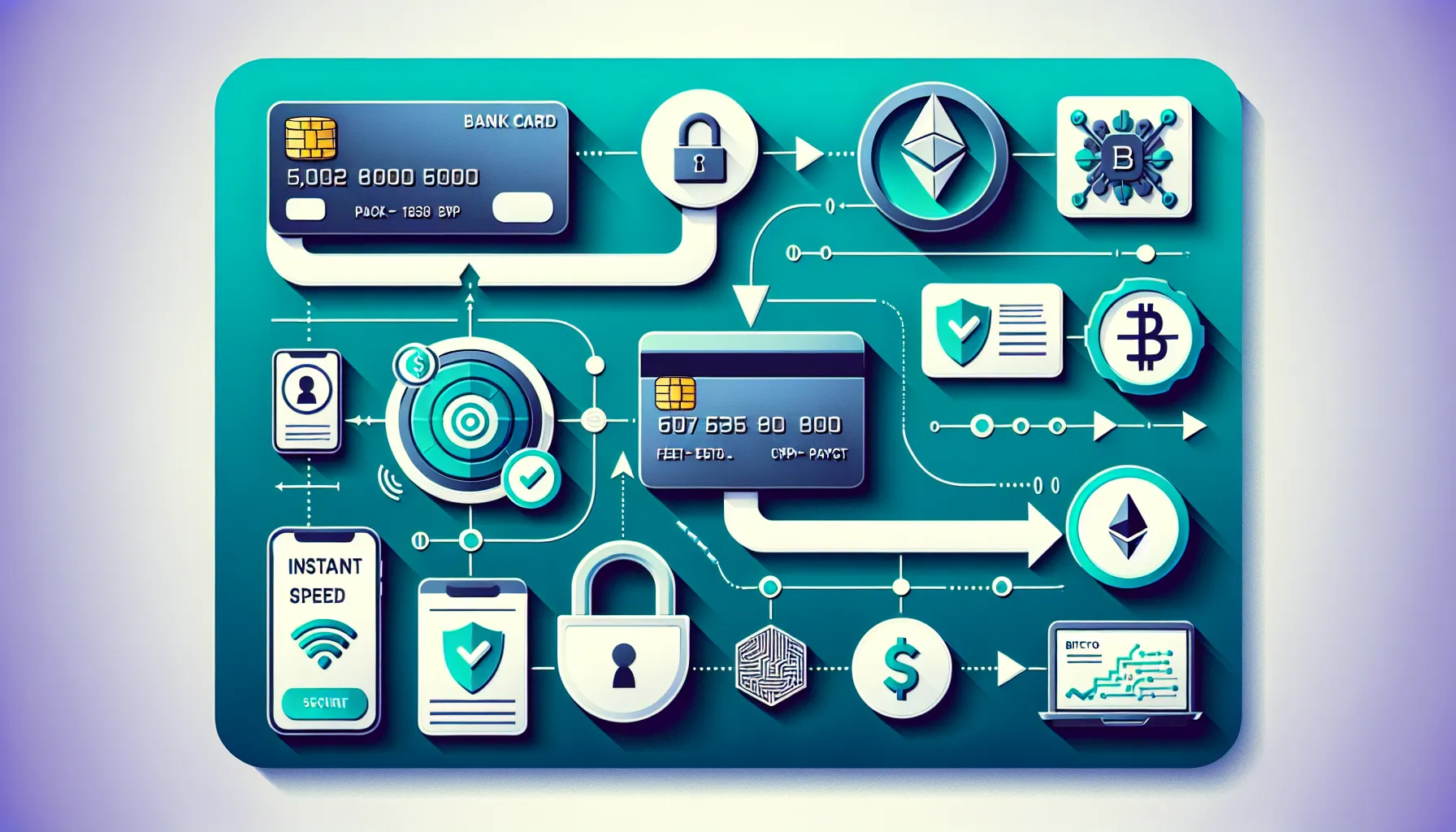
The cryptocurrency market has evolved dramatically over the past few years, and with that evolution comes easier access for everyday investors. Gone are the days when purchasing Bitcoin or Ethereum required navigating complicated wire transfers or waiting days for bank approvals. Today, anyone with a bank card can buy cryptocurrency instantly, often within minutes, making digital assets more accessible than ever before.
Using a bank card to purchase cryptocurrency has become one of the most popular methods for both beginners and experienced traders. The appeal is straightforward: it’s fast, convenient, and doesn’t require technical expertise. Whether someone wants to invest in Bitcoin during a market dip or diversify their portfolio with altcoins, paying with a Visa or Mastercard offers immediate access without the usual delays associated with traditional banking methods.
This guide walks through everything needed to buy cryptocurrency with a bank card, from choosing the right platform to understanding fees, security measures, and troubleshooting common issues. The process is more straightforward than many assume, but doing it safely requires a bit of knowledge and preparation.
Key Takeaways
- Buying cryptocurrency with a bank card provides instant access to digital assets, with transactions typically completed within minutes compared to traditional bank transfers that take days.
- Using a debit or credit card from Visa or Mastercard is the most convenient method to buy cryptocurrency, offering speed, widespread platform acceptance, and familiar security features like 3D Secure verification.
- Before purchasing, ensure you have a valid bank card, a secure cryptocurrency wallet address, and completed KYC verification on a reputable platform to avoid declined transactions and delays.
- Transaction fees for buying cryptocurrency instantly with a bank card typically range from 1.5% to 5%, plus potential currency conversion charges and card issuer fees, so reviewing the complete fee structure beforehand is essential.
- Security is paramount when using a bank card for cryptocurrency purchases—always use reputable platforms with HTTPS encryption, enable two-factor authentication, avoid public Wi-Fi networks, and double-check wallet addresses before confirming transactions.
Why Buy Cryptocurrency with a Bank Card?
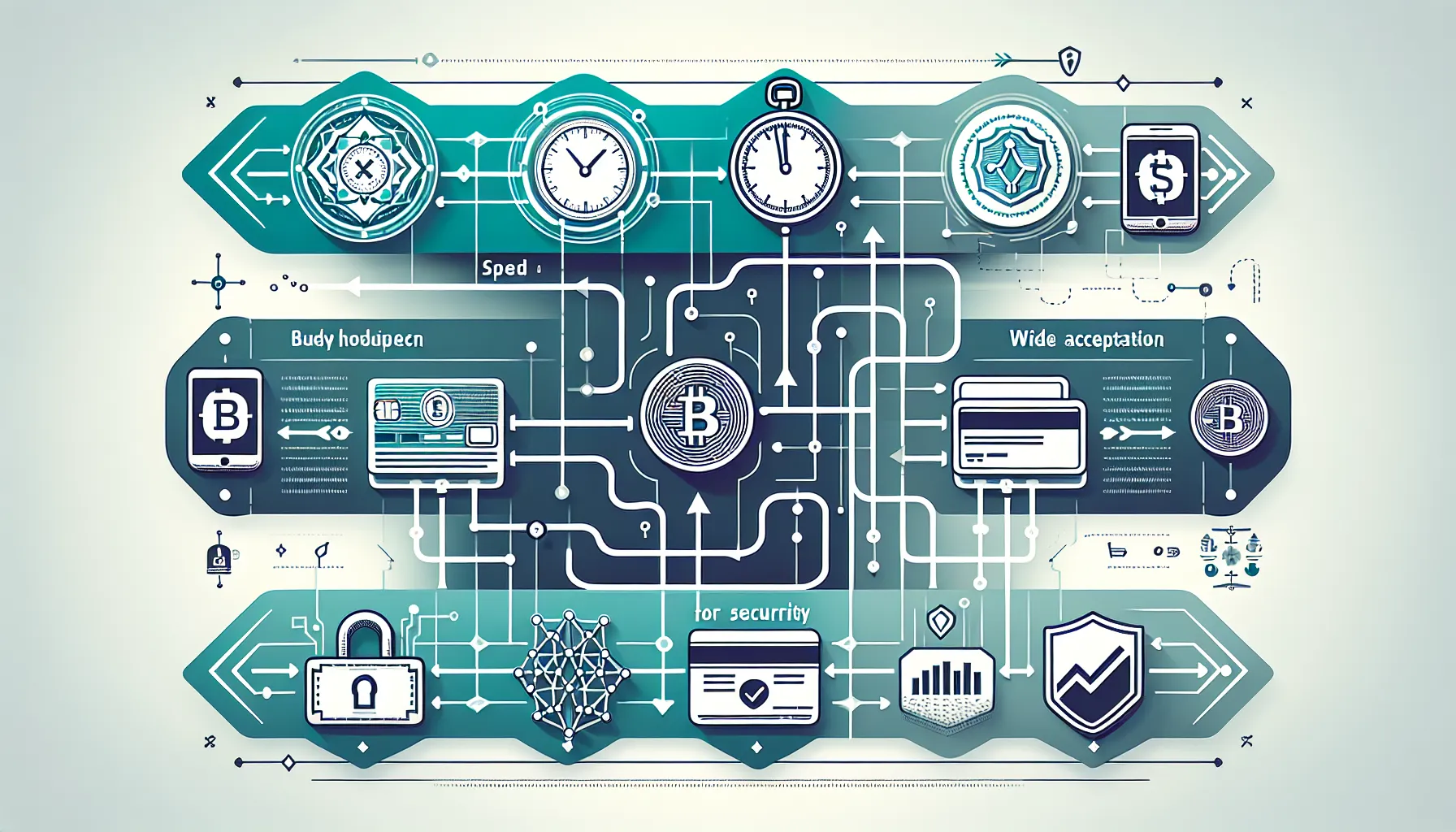
Bank cards have become the preferred payment method for cryptocurrency purchases, and it’s not hard to see why. The primary advantage is speed, transactions are typically completed within minutes, giving buyers near-instant access to their chosen digital assets. This immediacy is particularly valuable in the volatile crypto market, where prices can shift significantly in short periods.
Unlike bank transfers, which can take several business days to process, card payments are handled in real time. The funds move quickly, and the cryptocurrency is delivered to the buyer’s wallet almost immediately. This speed eliminates the frustration of watching market opportunities slip away whilst waiting for a transfer to clear.
Another key benefit is convenience. Most people already have a debit or credit card in their wallet, and they’re familiar with using it for online purchases. There’s no need to set up special payment systems or navigate unfamiliar banking procedures. The process feels similar to buying anything else online, enter card details, confirm the purchase, and it’s done.
Bank cards are also widely accepted across cryptocurrency platforms. Whether someone is using a major exchange or a smaller specialist service, Visa and Mastercard are almost universally supported. This broad acceptance means buyers have plenty of options when choosing where to purchase their crypto, allowing them to compare fees, features, and user experiences before committing to a platform.
The security features built into modern card payments add another layer of reassurance. Many card issuers offer fraud protection, and the use of CVV codes and 3D Secure verification helps prevent unauthorised transactions. For newcomers to cryptocurrency who might feel uncertain about security, these familiar safeguards can provide peace of mind.
What You Need Before You Start

Before making that first cryptocurrency purchase with a bank card, there are several essentials to gather. Being prepared not only speeds up the process but also helps avoid frustrating delays or declined transactions.
First and foremost, a valid credit or debit card is required. Visa and Mastercard are the most commonly accepted, though some platforms also support American Express and other card networks. The card should be active, with sufficient available balance or credit limit to cover the intended purchase amount.
A cryptocurrency wallet address is also necessary. This is where the purchased coins will be sent once the transaction is complete. Some platforms provide built-in wallets, whilst others require users to supply an external wallet address. It’s worth setting this up beforehand, losing cryptocurrency due to an incorrect wallet address is an expensive mistake that cannot be reversed.
An account on a trusted cryptocurrency exchange or platform is essential. This involves registering with personal details, setting up login credentials, and completing any required verification steps. Choosing the right platform matters, as different services offer varying fees, supported cryptocurrencies, and user experiences.
Finally, buyers should confirm that their bank card has adequate limits for the transaction. Some cards have daily spending limits or restrictions on online purchases, and exceeding these can result in declined payments. A quick call to the card issuer can clarify any restrictions and potentially increase limits if needed.
Identification and Verification Requirements
Regulatory requirements mean that most reputable cryptocurrency platforms carry out Know Your Customer (KYC) procedures. These checks are designed to prevent fraud, money laundering, and other illicit activities. Whilst they add an extra step to the process, they also indicate that a platform operates legitimately and takes compliance seriously.
Typically, users need to provide proof of identity. This might include a passport, national ID card, or driving licence. The document should be current and clearly show the holder’s name, photograph, and date of birth. Platforms usually request a photograph or scan of the document, and some may ask for a selfie to verify that the person creating the account matches the ID.
Email and phone verification are standard requirements as well. Users receive verification codes or links to confirm their contact details, adding another security layer to the account. This step helps platforms recover accounts if login credentials are forgotten and provides a communication channel for transaction confirmations and security alerts.
The verification process duration varies between platforms. Some complete checks within minutes using automated systems, whilst others may take several hours or even days if manual review is required. Completing this step early, before intending to make a purchase, prevents delays when market conditions are favourable.
Choosing the Right Bank Card
Not all bank cards are created equal when it comes to cryptocurrency purchases. Several factors influence which card works best for buying digital assets.
Ideally, the card should be issued in the buyer’s country of residence. Using a locally issued card typically results in lower fees, as currency conversion charges can add up quickly when using foreign cards. Also, domestic cards are less likely to trigger fraud alerts that might block the transaction.
It’s wise to check whether the card issuer permits cryptocurrency transactions. Some banks have policies restricting or outright blocking purchases from cryptocurrency platforms, viewing them as high-risk. A quick conversation with the bank’s customer service team can clarify this before attempting a purchase. If the current card doesn’t support crypto transactions, switching to a more crypto-friendly bank or card might be necessary.
The card’s available balance or credit limit deserves attention too. Buyers should ensure there’s enough headroom not only for the cryptocurrency purchase itself but also for any associated fees. Running up against a card limit mid-transaction creates unnecessary complications and might result in a failed purchase at an inopportune moment.
Step-by-Step Guide to Buying Cryptocurrency with Your Bank Card
Purchasing cryptocurrency with a bank card involves several clear steps. Following them carefully ensures a seamless process and helps avoid common pitfalls.
Selecting a Trusted Cryptocurrency Platform
The first decision is choosing where to buy. The cryptocurrency space has no shortage of platforms, but not all are equally trustworthy or user-friendly. Established names like Changelly, CoinJar, Paybis, Switchere, and MoonPay have built reputations for reliability and customer service.
When evaluating platforms, several factors deserve consideration. Transparency around fees is crucial, hidden charges can significantly increase the cost of a purchase. Platforms should clearly display their fee structures before requiring any commitment. Customer reviews provide valuable insights into real user experiences, highlighting potential issues with transaction speed, customer support, or security.
Regulatory compliance is another important indicator. Legitimate platforms operate within legal frameworks and hold appropriate licences or registrations. They carry out KYC procedures and work with established payment processors. Platforms lacking clear regulatory standing or those promising anonymity without verification should raise red flags.
The range of supported cryptocurrencies varies between platforms. Some specialise in major coins like Bitcoin and Ethereum, whilst others offer hundreds of altcoins. Buyers should ensure their desired cryptocurrency is available before completing registration.
Creating and Verifying Your Account
Once a platform has been selected, the next step is registration. This process typically begins with providing basic information: name, email address, and password. Strong, unique passwords are essential, reusing passwords from other accounts puts funds at risk if those credentials are ever compromised.
After initial registration, the verification process begins. As mentioned earlier, this involves submitting identification documents and confirming contact details. The platform’s interface will guide users through each required step, often with helpful prompts about document quality and acceptable formats.
Patience during verification pays off. Rushed or unclear document submissions can lead to rejection, requiring resubmission and further delays. Taking a moment to ensure documents are well-lit, in focus, and show all required information saves time in the long run.
Some platforms offer tiered verification levels. Basic verification might allow smaller purchases with minimal documentation, whilst higher tiers requiring more extensive checks enable larger transactions. Buyers should choose the verification level appropriate for their intended purchase amounts.
Linking Your Bank Card
With verification complete, it’s time to link a payment method. Navigating to the platform’s payment or deposit section usually presents various options, with bank card being prominently featured.
Linking a card requires entering its details: the 16-digit card number, expiry date, and CVV security code. Some platforms also ask for the cardholder’s name and billing address. This information should be entered carefully, errors can cause payment failures or require customer support intervention.
Many platforms carry out 3D Secure verification, an additional security layer requiring cardholders to confirm transactions through their bank. This might involve entering a one-time code sent via SMS or using a banking app to approve the payment. Whilst this adds an extra step, it significantly reduces fraud risk.
Some platforms allow saving card details for future purchases, streamlining repeat transactions. But, users should weigh this convenience against security considerations. Storing payment information on multiple platforms increases potential exposure if any platform experiences a data breach.
Completing Your First Purchase
With the account verified and card linked, making the actual purchase is relatively straightforward. The platform’s interface will typically display options to select the cryptocurrency type and purchase amount. Users can usually specify either how much fiat currency they want to spend or how much cryptocurrency they wish to receive.
Before confirming, the platform displays a summary showing the exchange rate, fees, and the final amount of cryptocurrency to be received. This is the moment to double-check everything, fees can vary significantly depending on market conditions and payment methods, and it’s better to review carefully than discover unexpected charges afterwards.
Crucially, users must provide the correct wallet address for receiving their cryptocurrency. This address is a long string of letters and numbers specific to the chosen cryptocurrency type. Bitcoin addresses differ from Ethereum addresses, for instance, and sending coins to the wrong type of address can result in permanent loss. Many platforms allow copying and pasting addresses to avoid typing errors, and some support QR code scanning for even greater accuracy.
After confirming all details, the payment is authorised. The card issuer processes the transaction, and if approved, the cryptocurrency is sent to the specified wallet address. Most platforms provide transaction tracking, allowing users to monitor progress from payment confirmation through to cryptocurrency delivery.
Understanding Fees and Transaction Limits
Fees are an unavoidable aspect of buying cryptocurrency with a bank card, and understanding them helps buyers make informed decisions and avoid unpleasant surprises.
Platform fees for card purchases typically range from 1.5% to 5% of the transaction amount. This percentage covers payment processing costs and the platform’s service charges. Whilst this might seem steep compared to bank transfer fees, the convenience and speed often justify the additional cost for many buyers.
The fee structure isn’t always straightforward. Some platforms display a single all-inclusive fee, whilst others separate payment processing charges from service fees. There may also be spread costs, the difference between the buying and selling price of the cryptocurrency, which effectively acts as an additional fee.
Currency conversion adds another potential cost. If the card is in a different currency than the platform’s default, both the card issuer and the platform might apply conversion fees. These can add up to several percentage points, making it worthwhile to use a card in the same currency as the platform when possible.
Card issuers themselves sometimes treat cryptocurrency purchases differently from standard transactions. Some apply cash advance fees to crypto purchases, particularly when using credit cards. These fees can be substantial, often 3% or more, plus interest may begin accruing immediately without the usual grace period. Checking with the card issuer beforehand clarifies whether crypto purchases are treated as standard transactions or cash advances.
Transaction limits vary widely between platforms and depend on several factors. Minimum purchases might start as low as £5 or £10, making cryptocurrency accessible even for those wanting to start small. Maximum limits range from a few hundred to tens of thousands of pounds, with higher verified accounts generally enjoying larger limits.
These limits serve multiple purposes. They help platforms manage risk and comply with anti-money laundering regulations. For buyers, limits might seem restrictive, but they can usually be increased by completing higher verification tiers or building a transaction history with the platform.
Daily, weekly, or monthly cumulative limits may also apply, restricting the total amount that can be purchased within those periods. Buyers planning larger investments should factor these limits into their strategy, potentially spreading purchases across time or using multiple platforms.
Security Tips for Card-Based Cryptocurrency Purchases
Security should be paramount when buying cryptocurrency with a bank card. The irreversible nature of crypto transactions means mistakes or security breaches can result in permanent loss, making precautions essential.
First and foremost, users should restrict their transactions to reputable, regulated platforms. Established services have invested heavily in security infrastructure and have strong incentives to protect customer funds and data. They carry out encryption, secure payment processing, and regular security audits. Unknown or newly launched platforms, regardless of their promises, carry significantly higher risks.
Website security deserves attention too. Before entering any sensitive information, users should verify that the platform’s website uses encryption. The URL should begin with “https://” rather than “http://”, and most browsers display a padlock icon indicating a secure connection. This encryption prevents third parties from intercepting data transmitted between the user’s device and the platform’s servers.
Two-factor authentication (2FA) provides crucial additional protection. When enabled, accessing the account requires not only the password but also a second verification factor, typically a code generated by an authenticator app or sent via SMS. Even if someone obtains the account password, they cannot access the account without this second factor. Most platforms strongly encourage or even require 2FA, and users should enable it without hesitation.
Regular monitoring of account activity helps catch unauthorised access early. Most platforms provide activity logs showing login attempts, transactions, and setting changes. Reviewing these periodically, or at least checking confirmation emails when they arrive, ensures that any suspicious activity is noticed quickly.
Protecting Your Personal Information
Personal and financial information protection extends beyond the platform itself. Users bear responsibility for how they handle sensitive data throughout the purchasing process.
Public Wi-Fi networks, whilst convenient, pose significant security risks. These networks often lack proper encryption, allowing others on the same network to potentially intercept data. Cryptocurrency purchases should be conducted only on trusted, private networks, ideally a home or mobile data connection rather than the Wi-Fi at a café or airport.
Card details should never be shared through insecure channels. Legitimate platforms will only request card information through their secure website or app, never via email, SMS, or messaging apps. Anyone asking for card details through these channels is likely attempting fraud, regardless of how convincing their story might be.
Device security matters as well. Ensuring that computers and smartphones have up-to-date antivirus software, firewalls, and operating system patches reduces vulnerability to malware that might steal credentials or card information. Using dedicated devices for financial transactions, rather than shared or public computers, provides additional protection.
Password management deserves careful attention. Using strong, unique passwords for cryptocurrency platforms prevents one compromised account from endangering others. Password managers can generate and securely store complex passwords, eliminating the temptation to reuse simple, memorable (and easily guessed) passwords across multiple services.
Recognising Legitimate Platforms
With the proliferation of cryptocurrency services, distinguishing legitimate platforms from scams or poorly run operations is an essential skill.
Transparent fee structures are a hallmark of legitimate services. Reputable platforms clearly display all charges before users commit to transactions. If finding fee information requires extensive searching or if the platform is vague about costs, that’s a warning sign.
Clear contact information and responsive customer support indicate a professional operation. Legitimate platforms provide multiple contact methods, email, phone, live chat, and maintain reasonable response times. The absence of contact information or platforms hiding behind anonymity should raise immediate concerns.
User reviews and community feedback offer valuable insights. Whilst every platform receives some negative reviews, patterns matter. Numerous complaints about frozen accounts, disappeared funds, or unresponsive support suggest systemic problems. Conversely, consistently positive experiences across multiple review sites indicate a platform that delivers on its promises.
Regulatory compliance and transparency about company structure distinguish legitimate operations. Platforms should clearly state where they’re based, what licences or registrations they hold, and which regulations they follow. Financial regulators in various countries maintain lists of registered cryptocurrency services, providing a way to verify claims of compliance.
Finally, if something seems too good to be true, it probably is. Platforms promising zero fees, guaranteed returns, or other unrealistic benefits are likely either misrepresenting their services or operating unsustainably. Legitimate platforms operate within the realities of market conditions and regulatory requirements, and their offerings reflect this.
Common Issues and How to Resolve Them
Even when following best practices, buyers occasionally encounter problems when purchasing cryptocurrency with a bank card. Understanding common issues and their solutions helps resolve these situations quickly.
Card declined messages are perhaps the most frequent frustration. Several factors can cause this. The card might have insufficient funds or available credit, a simple check of the account balance usually clarifies this. Daily spending limits can also trigger declines, particularly if the cryptocurrency purchase is larger than typical spending patterns.
Some declines occur because the card issuer has blocked cryptocurrency transactions entirely. As mentioned earlier, certain banks view crypto purchases as high-risk and restrict them by policy. Contacting the bank to inquire about their cryptocurrency policy can clarify whether this is the issue. If so, buyers might need to use a different card or switch to a more crypto-friendly financial institution.
International transaction restrictions cause problems too. Even if a platform operates internationally, the bank might block transactions with foreign merchants unless international purchases have been specifically enabled. Many banks allow customers to enable international transactions through online banking or mobile apps, or by calling customer service.
3D Secure verification failures present another common stumbling block. If the one-time code doesn’t arrive or the verification page fails to load, the transaction cannot complete. Ensuring that contact details are correctly registered with the bank resolves most of these issues. Sometimes trying a different browser or disabling browser extensions that might interfere with pop-ups helps as well.
Delayed transactions can be concerning, especially for those new to cryptocurrency. Whilst card payments are typically fast, network congestion or technical issues occasionally cause delays. Most platforms provide transaction tracking showing the current status. If a transaction remains pending for longer than expected, typically more than an hour, contacting customer support is appropriate. They can investigate whether the issue lies with payment processing, blockchain confirmation, or something else entirely.
Verification failures during the KYC process frustrate many users. Common causes include poor-quality document scans or photos, mismatches between the name on the account and the identification document, or expired documents. Taking clear, well-lit photographs that show all document details usually resolves quality issues. Ensuring that the account name exactly matches the name on identification documents prevents mismatch rejections.
Some users encounter incorrect wallet addresses after completing purchases. Unfortunately, cryptocurrency transactions are irreversible, and sending coins to the wrong address typically means they’re lost permanently. This underscores the importance of double-checking wallet addresses before confirming purchases. Some platforms carry out additional safeguards, such as requiring users to confirm addresses through multiple steps, but eventually the responsibility lies with the buyer.
If problems persist even though troubleshooting attempts, reaching out to customer support is the next step. Reputable platforms maintain support teams trained to handle common issues. Providing clear information about the problem, including transaction IDs, error messages, and steps already attempted, helps support staff resolve issues more quickly.
Conclusion
Buying cryptocurrency with a bank card has transformed from a complicated process reserved for the technically savvy into a straightforward transaction accessible to anyone. The combination of speed, convenience, and widespread acceptance makes card purchases an attractive entry point for those looking to invest in digital assets.
Success hinges on preparation and well-informed choice-making. Choosing reputable platforms, completing verification requirements, understanding fee structures, and implementing strong security practices create a foundation for safe and successful cryptocurrency purchases. Whilst the process involves several steps, each serves a purpose, whether protecting against fraud, ensuring regulatory compliance, or simply making transactions smoother.
The cryptocurrency landscape continues evolving, with platforms constantly improving their services, reducing fees, and enhancing security measures. As this evolution continues, buying cryptocurrency with a bank card will likely become even more seamless. For now, though, following the guidance outlined here provides a reliable path from traditional finance to the world of digital assets.
Those ready to make their first cryptocurrency purchase with a bank card now have the knowledge needed to proceed confidently. The technology might seem complex, but the process itself is remarkably simple when approached methodically. With proper precautions and realistic expectations about fees and limits, buying cryptocurrency with a bank card offers one of the fastest and most accessible routes into the digital currency market.
Frequently Asked Questions
How long does it take to buy cryptocurrency instantly with a bank card?
Buying cryptocurrency with a bank card typically takes just a few minutes. Once your payment is approved, the digital assets are usually delivered to your wallet almost immediately, unlike bank transfers which can take several business days to process.
What fees should I expect when purchasing cryptocurrency with a debit or credit card?
Platform fees for bank card purchases generally range from 1.5% to 5% of the transaction amount. Additionally, you may encounter currency conversion fees and your card issuer might apply cash advance charges, particularly on credit cards, so check beforehand.
Why was my bank card declined when trying to buy cryptocurrency?
Card declines can occur due to insufficient funds, daily spending limits, or because your bank restricts cryptocurrency transactions. Some banks view crypto purchases as high-risk. Contact your card issuer to clarify their policy and potentially enable crypto transactions.
Do I need to verify my identity to buy cryptocurrency with a bank card?
Yes, most reputable cryptocurrency platforms require Know Your Customer (KYC) verification. You’ll typically need to provide proof of identity such as a passport or driving licence, plus email and phone verification to comply with anti-money laundering regulations.
Is it safer to use a debit card or credit card for cryptocurrency purchases?
Debit cards are often preferable as they avoid potential cash advance fees that credit cards may incur. However, credit cards can offer additional fraud protection and chargeback rights, which may provide extra security for disputed transactions.
Can I buy cryptocurrency with a prepaid bank card?
Many platforms accept prepaid Visa or Mastercard cards, though some may have restrictions. Ensure your prepaid card supports online international transactions and has sufficient balance including fees. Verification requirements still apply, so the card should be registered in your name.