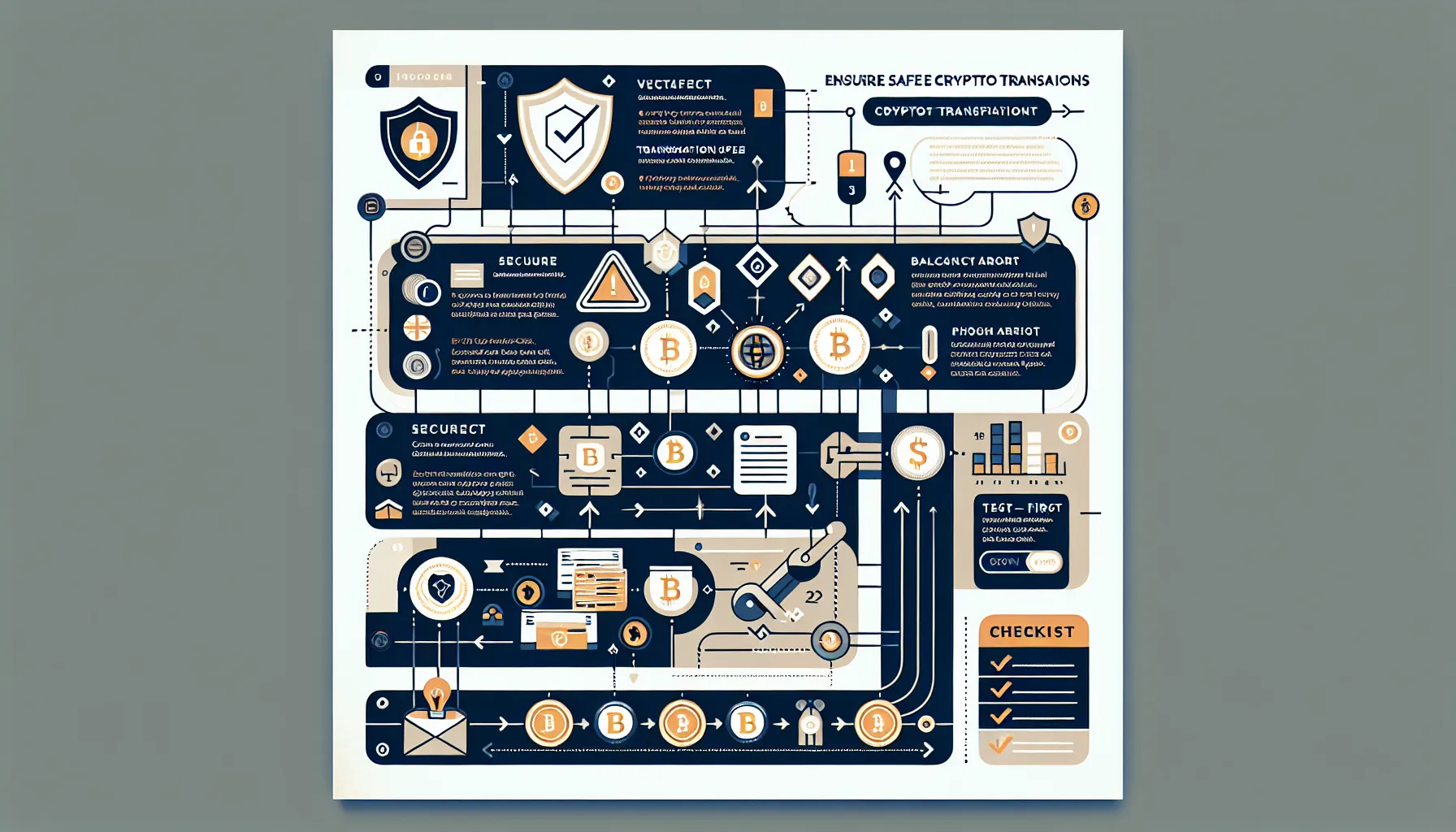
Cryptocurrency transactions are unforgiving. Unlike traditional bank transfers where a quick phone call might reverse an error, blockchain technology doesn’t offer such luxuries. Once crypto leaves a wallet, there’s typically no undo button, no customer service desk to plead with, and no chargebacks. This fundamental characteristic, immutability, makes cryptocurrency both revolutionary and risky. For newcomers and seasoned traders alike, a single misstep can result in irreversible financial loss. The good news? Most mistakes are entirely preventable. By understanding the common pitfalls and adopting careful, systematic habits, anyone can navigate crypto transfers with confidence and security.
Key Takeaways
- Cryptocurrency transactions are irreversible, so avoiding common mistakes when sending crypto requires meticulous attention to every detail.
- Always double-check the recipient wallet address character by character, as a single error can send funds to the wrong address with no possibility of recovery.
- Ensure you select the correct blockchain network before transferring, as sending crypto on the wrong network can make funds irretrievable.
- Test every new transaction with a small amount first to verify the address, network compatibility, and recipient accessibility before sending larger sums.
- Set appropriate transaction fees based on network congestion to balance speed and cost, avoiding delays or unnecessary expense.
- Stay vigilant against phishing scams by only accessing wallets through official channels and never sharing private keys or seed phrases with anyone.
Understanding the Importance of Accuracy in Crypto Transactions

The irreversible nature of cryptocurrency transactions is what sets them apart from traditional finance. When someone sends Bitcoin, Ethereum, or any other digital asset, the transaction is recorded permanently on the blockchain. There’s no central authority with the power to recall or reverse it. Banks can freeze accounts, investigate fraud, or reverse erroneous transfers, but blockchain networks operate on a different set of rules, ones governed by code rather than intermediaries.
This design isn’t a flaw: it’s a feature. Immutability ensures that no single entity can tamper with transaction history or seize funds arbitrarily. But, it places the burden of accuracy entirely on the user. A mistyped address, a wrong network selection, or falling for a phishing scam can result in funds vanishing into the digital void, with virtually no recourse for recovery.
Understanding this reality is the first step toward safe crypto handling. Every transaction demands the same level of attention one might give to signing a legally binding contract. Because in essence, that’s exactly what it is, a permanent, cryptographically secured agreement written onto a public ledger.
Double-Check the Recipient Address Before Sending
Wallet addresses are long, complex strings of letters and numbers, often 26 to 42 characters depending on the cryptocurrency. They’re not exactly user-friendly, and therein lies the danger. One wrong character is all it takes to send funds to an entirely different address, or worse, to an invalid one where the crypto becomes unrecoverable.
The importance of verifying the recipient address cannot be overstated. Users should adopt a habit of checking the address multiple times before confirming any transaction. Many wallets and exchanges allow copy-pasting of addresses, which reduces the risk of manual entry errors, but even that’s not foolproof. Malware exists that can intercept clipboard data and replace legitimate addresses with fraudulent ones.
Best practice? Compare the first and last several characters of the pasted address with the original. Some users even verify addresses through a secondary communication channel, such as confirming via a phone call or secure message, especially when dealing with significant sums.
Why a Single Character Error Can Cost You Everything
Cryptocurrency addresses are generated using cryptographic algorithms, and each one is unique. Unlike traditional banking, where incorrect account details might simply result in a failed transfer, crypto addresses don’t have built-in error detection for minor typos. If the address you enter happens to exist (even if it’s not your intended recipient), the transaction will go through, and the funds will be gone.
There are billions of possible addresses, so sending to a random, non-existent address is also a possibility. In that case, the crypto is effectively burned, sent into the ether with no owner to claim it. Either scenario is catastrophic, and recovery is virtually impossible.
This harsh reality underscores the need for absolute diligence. In the crypto world, there’s no customer support hotline that can help retrieve misdirected funds. The responsibility lies entirely with the sender.
Using Address Whitelisting for Added Security
For those who frequently send crypto to the same addresses, whether to personal wallets, business partners, or exchanges, address whitelisting offers an effective safeguard. This feature, available on many platforms and wallets, allows users to create a list of pre-approved addresses. Once enabled, withdrawals can only be sent to addresses on that whitelist.
Whitelisting provides a robust defence against both human error and malicious attacks. If malware attempts to alter a recipient address, or if a user accidentally selects the wrong saved contact, the whitelist restriction will block the transaction. Some exchanges also enforce a waiting period before newly added addresses become active, giving users time to detect and cancel any unauthorised changes.
Whilst it might seem like an inconvenience initially, whitelisting is a small price to pay for peace of mind, especially when dealing with substantial holdings.
Select the Correct Blockchain Network
One of the most common, and most frustrating, mistakes in crypto transfers is sending assets on the wrong blockchain network. Many cryptocurrencies and tokens exist across multiple blockchains. For example, USDT (Tether) can be sent on Ethereum (ERC-20), Binance Smart Chain (BEP-20), Tron (TRC-20), and others. Each network has its own address format and infrastructure.
If a user sends USDT via the Ethereum network to an address expecting USDT on Binance Smart Chain, the funds may become irretrievable. Even though the address looks identical and belongs to the same person, the networks don’t communicate with each other in a way that allows automatic recovery.
Before initiating any transfer, both sender and receiver must confirm they’re using the same network. Most wallets and exchanges clearly display the network selection during the withdrawal process, but it’s easy to overlook in a rush. Always double-check.
Common Network Confusion Scenarios
Some of the most frequent network mix-ups occur between Ethereum and Binance Smart Chain. Both networks support similar token standards, and their wallet addresses are often interchangeable in format, which creates confusion. A user might assume that because the address is valid, the transfer will work, only to find their funds stuck on the wrong chain.
Another common mistake involves layer-2 solutions like Polygon or Arbitrum. These networks are designed to scale Ethereum, but tokens sent on Ethereum’s mainnet won’t appear in a Polygon wallet unless explicitly bridged.
Some exchanges and wallets now offer network auto-detection or warnings when there’s a mismatch, but users shouldn’t rely solely on these features. Manual verification remains the gold standard for avoiding network-related losses.
Verify Minimum and Maximum Transaction Limits
Not all crypto transfers are treated equally. Exchanges, wallets, and blockchain protocols often impose minimum and maximum transaction limits. Sending an amount below the minimum threshold can result in a failed transaction, and whilst the funds might eventually be returned, the process can be slow and stressful. In some cases, amounts sent below the minimum are simply lost.
Maximum limits are typically in place for security or regulatory reasons. Exceeding these limits can trigger automatic holds, compliance reviews, or outright rejection of the transaction. For users transferring large sums, it’s essential to check platform-specific limits beforehand and plan accordingly, sometimes breaking a large transfer into smaller batches is necessary.
These limits vary widely depending on the platform, the asset, and the user’s account verification level. Taking a few moments to review these details can save considerable hassle and prevent funds from being stuck in limbo.
Set Appropriate Transaction Fees
Transaction fees, often called gas fees in networks like Ethereum, are the cost of processing transfers on the blockchain. These fees fluctuate based on network congestion, and setting them incorrectly can lead to frustrating delays or unnecessarily high costs.
If a user sets the fee too low during a period of high network activity, their transaction might sit unconfirmed for hours, or even days. In extreme cases, it might never be processed at all. Conversely, setting fees excessively high wastes money, especially for routine or small transactions.
Many wallets offer fee estimation tools that suggest appropriate amounts based on current network conditions. Users should pay attention to these recommendations, adjusting based on urgency. For time-sensitive transfers, a slightly higher fee is worth the assurance of quick confirmation. For less urgent transactions, a lower fee can save money without significant inconvenience.
Balancing Speed and Cost
Finding the sweet spot between speed and cost requires a basic understanding of how blockchain networks prioritise transactions. Miners or validators typically process higher-fee transactions first, especially when the network is busy.
During periods of low activity, even minimal fees can result in fast confirmation. Monitoring network congestion, through tools like gas trackers, can help users time their transactions for optimal cost efficiency. Some wallets also allow users to set custom fees, giving experienced users full control over the trade-off between speed and expense.
It’s a balancing act, but one that becomes intuitive with practice. The key is to avoid the extremes: don’t be so frugal that transactions stall, and don’t overpay out of impatience or ignorance.
Beware of Phishing Scams and Fake Addresses
Phishing scams are rampant in the crypto space. Scammers create fake websites, emails, and messages that mimic legitimate exchanges, wallets, or services. The goal is simple: trick users into sending crypto to a fraudulent address or handing over private keys.
These scams can be incredibly convincing. A phishing email might look identical to an official notification from a major exchange, complete with logos, formatting, and urgent language designed to provoke quick, unthinking action. Fake wallet apps have even appeared in official app stores, fooling users into downloading malware.
To protect against phishing, users should only access wallets and exchanges through official channels, typing URLs directly into the browser rather than clicking links in emails. Enabling two-factor authentication (2FA) adds another layer of security, and some platforms offer anti-phishing codes that appear in legitimate communications, allowing users to verify authenticity.
Skepticism is a virtue in crypto. If something seems off, an unexpected email, a too-good-to-be-true offer, or a rushed request for action, take a step back, verify independently, and never share private keys or seed phrases with anyone.
Test with a Small Amount First
When sending crypto to a new address or using an unfamiliar network, the smartest move is to send a small test transaction first. This simple precaution can prevent catastrophic losses.
A test transaction verifies several things at once: that the address is correct, that the network is compatible, and that the recipient can successfully receive and access the funds. If the test amount arrives safely, the user can proceed with confidence. If something goes wrong, the loss is minimal and the mistake can be corrected before sending larger sums.
This approach is particularly valuable when dealing with significant amounts or complex transactions involving multiple networks or token types. Yes, it means paying transaction fees twice, but that’s a negligible cost compared to the risk of losing thousands, or more, due to a preventable error.
Experienced crypto users make testing a standard part of their routine, and newcomers should adopt this habit from the start. It’s a small investment in safety that pays dividends in peace of mind.
Keep Records of All Transactions
Accurate recordkeeping isn’t just good practice, it’s often a legal requirement. In the UK, regulations mandate that individuals and businesses involved in crypto transactions maintain records for at least five years. These records serve multiple purposes: compliance with tax obligations, evidence if disputes or fraud investigations, and personal tracking of portfolio performance.
A comprehensive transaction record should include the date and time, amount sent or received, the addresses involved, the network used, transaction fees, and the purpose of the transfer. Many wallets and exchanges provide transaction history exports, but users should also maintain their own organised records as a backup.
Beyond compliance, good recordkeeping helps users identify patterns, spot unauthorised activity, and provide documentation if something goes wrong. It’s also invaluable during tax season, when calculating capital gains or losses on crypto holdings.
Digital tools, spreadsheets, or dedicated crypto tax software can simplify this process. Whatever method is chosen, consistency and thoroughness are key. In the fast-moving world of crypto, a well-maintained record is both a safety net and a strategic asset.
Conclusion
The decentralised nature of cryptocurrency grants users unprecedented control over their assets, but with that control comes responsibility. Every transaction is final, every mistake potentially permanent. Yet the vast majority of crypto errors aren’t the result of bad luck, they’re the result of rushed decisions, overlooked details, or inadequate security practices.
By prioritising accuracy in every step, verifying addresses character by character, confirming network compatibility, respecting transaction limits, choosing appropriate fees, staying vigilant against phishing, testing with small amounts, and maintaining thorough records, users can dramatically reduce their risk. These aren’t complicated strategies: they’re disciplined habits that become second nature with practice.
Crypto’s promise of financial sovereignty is real, but it demands a level of care and attention that traditional banking never required. Those who embrace that responsibility, but, will find that the rewards, security, autonomy, and confidence, are well worth the effort.
Frequently Asked Questions
What happens if I send crypto to the wrong address?
Cryptocurrency transactions are irreversible. If you send crypto to an incorrect address, the funds cannot be recovered. Unlike traditional banking, there’s no customer service to reverse the transaction, making address verification absolutely critical before sending.
How can I avoid sending crypto on the wrong blockchain network?
Always confirm with the recipient which network they’re using before initiating the transfer. Verify the network selection in your wallet or exchange carefully, as tokens like USDT exist on multiple blockchains. Even a small test transaction can prevent costly mistakes.
Why should I send a test transaction before transferring large amounts of crypto?
A test transaction verifies the recipient address is correct, the network is compatible, and funds can be received successfully. This small precaution costs minimal fees but can prevent catastrophic losses when sending substantial amounts to unfamiliar addresses.
Can crypto transaction fees affect how quickly my transfer is processed?
Yes, blockchain networks prioritise transactions with higher fees, especially during congestion. Setting fees too low may cause delays or failed processing, whilst excessive fees waste money. Use your wallet’s fee estimation tools to balance speed and cost effectively.
How do I protect myself from crypto phishing scams?
Only access wallets and exchanges through official channels by typing URLs directly. Never click links in unexpected emails. Enable two-factor authentication, verify communications using anti-phishing codes, and never share private keys or seed phrases with anyone.
What is address whitelisting and how does it improve crypto security?
Address whitelisting allows you to create a pre-approved list of recipient addresses. Withdrawals can only be sent to whitelisted addresses, protecting against malware attacks, human error, and unauthorised transactions, especially valuable when managing substantial cryptocurrency holdings.