The cryptocurrency landscape has matured considerably, transforming from a niche technology into a legitimate asset class that demands attention. Yet many beginners find themselves overwhelmed by jargon, volatile markets, and the sheer volume of information available. The good news? You don’t need months to grasp the fundamentals. With a focused, structured approach, anyone can build a solid foundation in cryptocurrency within seven days, enough to make informed decisions and avoid costly mistakes. This roadmap cuts through the noise, offering a practical week-long journey from complete novice to confident participant in the digital asset space. Whether you’re curious about blockchain technology, ready to make your first purchase, or simply want to understand what everyone’s talking about, this guide provides the essential knowledge you need without the overwhelm.
Key Takeaways
- Learning crypto fundamentals in seven days provides enough knowledge to make informed decisions and avoid costly mistakes in the cryptocurrency market.
- Blockchain technology is a decentralised ledger system that enables secure, transparent transactions without intermediaries like banks or governments.
- Use cold wallets for long-term crypto storage and never share your private keys—security practices are essential to protect your digital assets.
- Start with small investments in established cryptocurrencies like Bitcoin and Ethereum, and consider dollar-cost averaging to reduce risk from market volatility.
- DeFi and NFTs offer innovative opportunities but carry significant risks, making them unsuitable topics for beginners until they’ve built foundational knowledge.
- Stay informed through reputable crypto news sources and avoid common scams such as pump-and-dump schemes, phishing attacks, and unsolicited investment advice promising guaranteed returns.
Why Learning Crypto Quickly Matters in 2025

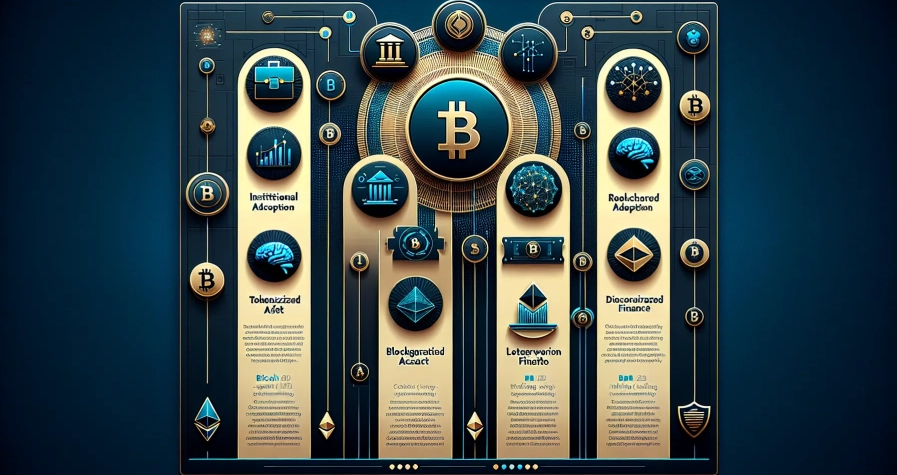
The cryptocurrency market has evolved significantly over recent years, moving well beyond speculation into practical applications and institutional adoption. Understanding blockchain technology and crypto fundamentals isn’t just about chasing profits, it’s about protecting yourself from scams whilst enabling confident participation in digital asset markets.
In 2025, crypto isn’t some fringe experiment. Major financial institutions now offer cryptocurrency services, governments are developing regulatory frameworks, and blockchain technology underpins everything from supply chain management to digital identity verification. Waiting to learn might mean missing genuine opportunities or, worse, falling victim to misinformation.
A structured learning approach in just seven days can establish the solid foundation you need before making investment decisions. This accelerated timeline isn’t about cutting corners, it’s about focusing on what actually matters. Rather than getting lost in technical minutiae or endless YouTube rabbit holes, a deliberate roadmap ensures you acquire practical knowledge in logical sequence. You’ll understand not just what cryptocurrency is, but how to interact with it safely and strategically.
Day 1: Understanding Blockchain and Cryptocurrency Basics
What Is Blockchain Technology?
Blockchain is the decentralised ledger technology underlying all cryptocurrencies. Think of it as a digital record book that’s copied across thousands of computers simultaneously. When someone makes a transaction, it’s recorded in a “block” of data. Once verified, this block joins a chronological “chain” of previous transactions, creating an immutable record that’s nearly impossible to alter fraudulently.
This distributed system eliminates the need for central authorities like banks or governments. Instead of trusting a single institution to maintain records and verify transactions, blockchain relies on a network of computers (called nodes) that collectively validate and secure the data. This peer-to-peer structure enables transactions without intermediaries, reducing costs and increasing transparency.
The beauty of blockchain isn’t just its security, it’s the trust it creates through transparency. Every transaction is visible to network participants, yet personal identities remain pseudonymous. This combination of openness and privacy represents a fundamental shift in how value can be transferred digitally.
Key Cryptocurrency Terms You Need to Know
Before diving deeper, you’ll need to understand the language. Here are the essential terms that’ll crop up repeatedly:
Cryptocurrency: Digital currency secured by cryptography, making it nearly impossible to counterfeit. Unlike traditional currencies, cryptocurrencies operate independently of central banks.
Bitcoin (BTC): The first and most established cryptocurrency, created in 2009 by the pseudonymous Satoshi Nakamoto. It remains the market leader in terms of recognition and value.
Ethereum (ETH): A blockchain platform that goes beyond simple transactions, enabling smart contracts, self-executing agreements coded directly into the blockchain.
Altcoins: Alternative cryptocurrencies beyond Bitcoin. This umbrella term covers thousands of different digital currencies, each with varying purposes and technologies.
Wallet: A digital tool for storing and managing your crypto assets. It doesn’t literally hold coins but stores the cryptographic keys that prove ownership.
Exchange: A platform where you buy, sell, and trade cryptocurrencies, similar to a stock exchange but for digital assets.
Private Key: A secret code that grants access to your crypto assets. Losing this is like losing the combination to an unbreakable safe, your funds become permanently inaccessible.
Master these terms and you’ll find most crypto conversations suddenly make sense. Day one is about building this foundational vocabulary so everything else clicks into place.
Day 2: Exploring Different Types of Cryptocurrencies
Bitcoin and Major Altcoins
Bitcoin remains the most established cryptocurrency with the highest market capitalisation and liquidity. Its primary function is straightforward: a decentralised digital currency for transferring value. Bitcoin’s limited supply (only 21 million will ever exist) contributes to its appeal as “digital gold”, a store of value protected against inflation.
Ethereum follows as the second-largest cryptocurrency, but it serves a different purpose. Rather than focusing solely on payments, Ethereum offers programmable smart contracts that enable developers to build decentralised applications. This functionality has spawned entire ecosystems of tokens and projects running on its network.
Other notable cryptocurrencies include Solana, known for high-speed transactions and lower fees, and Cardano, which emphasises research-driven development. Ripple (XRP) targets cross-border payments for financial institutions. Each major cryptocurrency typically addresses specific use cases or technological improvements over existing options.
The cryptocurrency landscape is crowded, with thousands of projects competing for attention. But, market capitalisation and trading volume remain concentrated in the top cryptocurrencies, which generally offer greater stability and liquidity than obscure alternatives.
Understanding Stablecoins and Utility Tokens
Stablecoins represent a unique category designed to solve cryptocurrency’s volatility problem. These digital currencies maintain fixed values by pegging to traditional currencies or assets, most commonly the US dollar. Tether (USDT) and USD Coin (USDC) are prominent examples, each claiming to hold reserves matching their circulating supply.
Stablecoins serve practical purposes: they allow traders to exit volatile positions without converting back to traditional currency, enable predictable pricing for goods and services, and help transfers between exchanges. They’re essentially the calm harbour in crypto’s stormy seas.
Utility tokens, meanwhile, provide access to specific blockchain services or platforms rather than functioning primarily as investments. Think of them as digital vouchers or membership cards. For instance, Binance Coin (BNB) offers reduced trading fees on the Binance exchange, whilst other utility tokens might grant access to decentralised applications, voting rights in project governance, or priority services within specific ecosystems.
Understanding these distinctions matters because not all cryptocurrencies serve the same purpose. Bitcoin aims to be money. Ethereum wants to be a global computer. Stablecoins seek price stability. Utility tokens unlock services. Recognising these differences helps you evaluate projects based on their actual function rather than hype alone.
Day 3: Setting Up Your First Crypto Wallet
Hot Wallets vs Cold Wallets
Choosing the right wallet is crucial for securing your cryptocurrency. The fundamental distinction lies between hot wallets and cold wallets, each offering different trade-offs between convenience and security.
Hot wallets are internet-connected digital wallets, typically mobile apps or browser extensions. They’re convenient for frequent trading and small amounts you might use regularly. Popular options include MetaMask, Trust Wallet, and exchange-provided wallets. The constant internet connection makes transactions quick and simple, but it also creates vulnerability to hacking attempts.
Cold wallets, hardware devices or paper wallets, remain offline, providing superior security for long-term storage. Hardware wallets like Ledger or Trezor are physical devices resembling USB drives that store your private keys offline. Even if your computer is compromised, attackers can’t access funds stored on a properly used cold wallet.
For beginners, using a cold wallet for long-term holdings provides the highest security level. Keep smaller amounts for active trading in a hot wallet if needed, but treat your cold storage like a safe, something you access deliberately rather than casually. This two-wallet approach balances security with practicality.
Many newcomers make the mistake of leaving significant holdings on exchanges. Whilst reputable platforms carry out robust security, they’re attractive targets for hackers. “Not your keys, not your coins” is a mantra worth remembering, if you don’t control the private keys, you don’t truly own the cryptocurrency.
Essential Security Practices
Security in cryptocurrency isn’t optional, it’s everything. One mistake can result in permanent, irreversible loss. Start by understanding that you’re essentially your own bank, with all the responsibility that entails.
Never share your private keys or recovery phrases with anyone, ever. These words are the master key to your funds. Legitimate support staff will never ask for them. Scammers, but, constantly devise creative ways to trick people into revealing this information.
Use strong, unique passwords for every crypto-related account. A password manager can help you maintain different complex passwords without the impossible task of remembering them all. Enable two-factor authentication (2FA) on all accounts, preferably using an authenticator app rather than SMS, which can be intercepted.
Store backups of recovery phrases offline in secure locations. Write them on paper or metal, never in digital files that could be hacked. Consider keeping copies in multiple secure locations in case of fire, flood, or other disasters. Some people use bank safe deposit boxes for this purpose.
Be wary of phishing attempts. Scammers create fake websites that look identical to legitimate exchanges or wallet providers. Always verify URLs carefully, bookmark official sites, and never click links in unsolicited emails. When in doubt, type the address directly into your browser.
Finally, test with small amounts first. Before sending large sums, conduct a small test transaction to verify everything works correctly. The slight inconvenience is worth avoiding costly mistakes.
Day 4: How to Buy and Trade Cryptocurrency
Choosing a Reliable Exchange
Selecting the right exchange is perhaps the most important practical decision you’ll make. Not all platforms are created equal, some prioritise security, others focus on low fees, and unfortunately, a few are outright scams.
Select licensed, secure platforms that support fiat deposits. Reputable exchanges like Coinbase, Kraken, and Binance offer strong security measures and insurance coverage for certain assets. These established platforms have survived multiple market cycles and maintain regulatory compliance in major jurisdictions.
Before committing, research the exchange’s security history, user reviews, and available cryptocurrencies. Compare deposit fees and processing times, these vary significantly between platforms. Bank transfers typically offer lower fees but slower processing, whilst debit or credit card purchases are instant but more expensive.
Verify that the exchange operates legally in your jurisdiction. Regulations vary by country, and using an unlicensed platform could create tax complications or leave you without recourse if problems arise. Check whether the exchange provides proper customer support, you’ll want responsive help available if issues occur.
Consider starting with a user-friendly platform even if fees are slightly higher. The learning curve is steep enough without wrestling with complicated interfaces. You can always expand to additional exchanges as you gain experience.
Making Your First Purchase
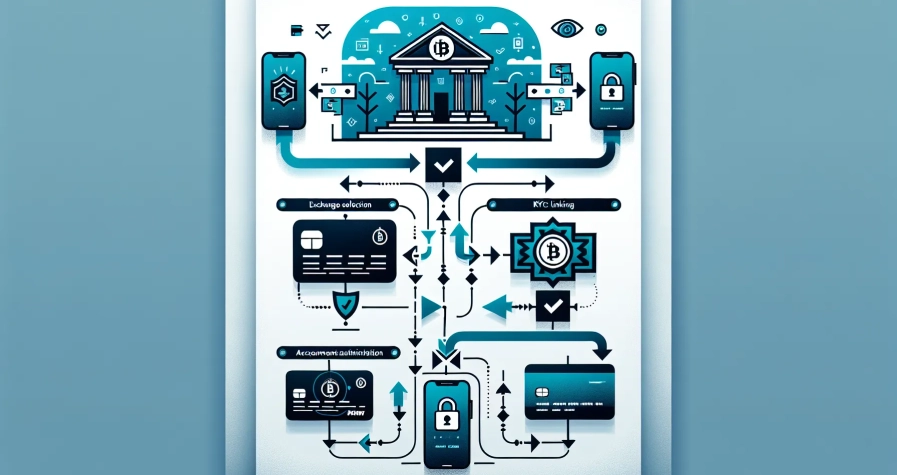
Once you’ve selected an exchange, the actual purchasing process is straightforward but methodical. Create an account and complete identity verification (KYC process). This typically involves submitting identification documents and occasionally a photograph. Whilst some find this intrusive, it’s standard practice for regulated exchanges and actually provides some protection against fraud.
Deposit funds via bank transfer, debit card, or credit card. Bank transfers usually offer the best rates but require patience, processing can take several days. Card purchases are instant but come with higher fees, sometimes 3-5% or more. Choose based on your timeline and how much you’re investing.
Bitcoin and Ethereum are ideal starting points due to their liquidity and stability relative to smaller cryptocurrencies. You needn’t buy whole coins, cryptocurrencies are divisible, and starting small is wise. Even £15–£35 is sufficient for beginners to gain practical experience without significant risk.
When ready to purchase, you’ll choose between market orders and limit orders. Market orders execute immediately at the current price, whilst limit orders only execute when the price reaches your specified level. For your first purchase, a market order is simpler and more straightforward.
After purchasing, transfer your cryptocurrency to a cold wallet for security. Leaving funds on exchanges creates unnecessary risk. The withdrawal process might seem daunting initially, but it’s a crucial habit to develop. Double-check wallet addresses before confirming, cryptocurrency transactions are irreversible, and sending to an incorrect address means permanent loss.
Start small, learn the process, and gradually increase your involvement as confidence grows. There’s no prize for rushing, and the expensive mistakes beginners make usually stem from overconfidence or impatience.
Day 5: Understanding Crypto Investment Strategies
Long-Term Holding vs Trading
Investment strategy in cryptocurrency generally falls into two camps: long-term holding (often called “HODLing” in crypto slang) and active trading. Each requires different skills, time commitments, and risk tolerances.
Long-term investing involves buying cryptocurrency and holding even though market volatility. This strategy suits those who believe in cryptocurrency’s fundamental value over years rather than months. It requires patience and emotional resilience, watching your portfolio drop 30% and resisting the urge to panic sell isn’t easy.
Dollar-cost averaging (DCA) is a particularly effective approach for long-term investors. This involves investing fixed amounts regularly, perhaps £15 monthly, regardless of price. When prices are high, your money buys less. When prices drop, you accumulate more. Over time, this reduces the risk from price fluctuations and removes the impossible task of timing the market perfectly.
Short-term trading, by contrast, requires active monitoring and technical analysis skills. Traders attempt to profit from price movements over days, hours, or even minutes. This approach is suitable for experienced investors only, the majority of active traders lose money, particularly when starting out. Transaction fees, tax complications, and the psychological toll of constant decision-making make trading far more challenging than it appears.
For beginners, long-term holding with dollar-cost averaging offers the most sensible starting point. It builds discipline, reduces emotional decision-making, and doesn’t require constant attention. You can always explore trading later once you’ve developed foundational knowledge and experience.
Risk Management and Portfolio Diversification
The cardinal rule of cryptocurrency investment: invest only what you can afford to lose. This isn’t pessimism, it’s realism. Cryptocurrency remains volatile and relatively unproven compared to traditional assets. Money you need for rent, emergencies, or essential expenses has no place in crypto markets.
Risk experts recommend allocating no more than 2% of your portfolio to single trades if actively trading. For overall cryptocurrency exposure, financial advisers typically suggest anywhere from 1-10% of investment portfolios, depending on age, risk tolerance, and financial goals. Conservative investors might allocate less: those with higher risk appetites and longer time horizons might allocate more.
Diversify holdings across multiple cryptocurrencies rather than concentrating everything in one asset. Whilst Bitcoin and Ethereum dominate, allocating smaller portions to other established projects can spread risk. But, avoid over-diversification, owning 50 different obscure tokens isn’t strategy, it’s chaos.
Maintain emotional discipline, avoiding panic selling during market downturns. Cryptocurrency markets are notoriously volatile, with 20-30% swings occurring regularly. Selling during crashes locks in losses, whilst those who maintain conviction often see recovery. That said, discipline also means recognising when you’ve made a poor investment decision and cutting losses rather than hoping for miraculous recoveries.
Set clear rules before investing: What percentage drop triggers reconsideration? What gains prompt taking profits? Having predetermined criteria removes emotion from decision-making during stressful market moments.
Finally, remember that diversification extends beyond cryptocurrency. Don’t neglect traditional investments, stocks, bonds, property, just because crypto seems exciting. A truly balanced portfolio incorporates multiple asset classes, each serving different purposes in your overall financial picture.
Day 6: Exploring DeFi and NFTs
Decentralised Finance Essentials
Decentralised Finance, DeFi for short, represents one of cryptocurrency’s most innovative applications. These platforms enable lending, borrowing, and trading without traditional intermediaries like banks or brokers. Instead, smart contracts automatically execute financial services based on pre-programmed conditions.
DeFi protocols operate on blockchain networks, primarily Ethereum, offering services that mirror traditional finance but with key differences. You can lend your cryptocurrency and earn interest, borrow against your holdings, or provide liquidity to trading pools in exchange for fees. These opportunities can offer higher potential returns than conventional savings accounts or investments.
But, increased returns come with increased risks. Smart contracts, even though rigorous testing, can contain bugs that hackers exploit. Numerous DeFi platforms have suffered costly breaches, with users losing millions. Also, the lack of regulation means no deposit insurance or customer protections if something goes wrong.
Beginners should understand smart contracts and liquidity pools before participating. Liquidity pools are collections of funds locked in smart contracts that help trading. When you add funds to these pools, you receive fees from trades but face “impermanent loss” if price ratios change significantly.
DeFi’s complexity and risks mean it’s not suitable for everyone, particularly not in your first week of crypto exploration. Consider it an advanced topic to research thoroughly before committing any funds. Many experienced crypto users still avoid DeFi due to its technical requirements and risk profile.
Introduction to Non-Fungible Tokens
Non-Fungible Tokens, NFTs, dominated headlines over recent years, with digital art selling for millions and celebrities launching their own collections. But beneath the hype lies a genuinely interesting technology with both promise and pitfalls.
NFTs represent unique digital assets on blockchain networks. Unlike fungible cryptocurrencies (where one Bitcoin equals any other Bitcoin), each NFT possesses distinct characteristics recorded on the blockchain. This uniqueness enables verified ownership of digital items, something previously impossible to prove definitively online.
The NFT market includes digital art, collectibles, virtual real estate in metaverse platforms, gaming items, and even tokenised real-world assets. Some see NFTs as the future of digital ownership: others view them as speculative bubbles with little intrinsic value.
The truth probably lies somewhere between. NFTs solved a real problem, proving ownership and authenticity of digital items, but the market became saturated with low-quality projects and outright scams. Volatility remains extreme, with items selling for thousands one month and becoming worthless the next.
Fraud risks are significant in NFT markets. Copying digital art and minting it as an NFT is trivial, meaning platforms struggle with intellectual property theft. Wash trading, buying and selling between your own accounts to inflate perceived value, is common. Celebrity endorsements often involve undisclosed payments, creating misleading impressions of legitimacy.
For beginners, NFTs represent an interesting technology to understand conceptually but not necessarily an investment priority. If you’re curious, explore with small amounts and focus on projects with genuine utility or communities you value, rather than hoping for financial windfalls. The NFT landscape is fascinating but treacherous for the uninformed.
Day 7: Staying Informed and Continuing Your Education
Reliable Resources and Communities
Your seven-day intensive is just the beginning. Cryptocurrency evolves rapidly, with new developments, regulations, and technologies emerging constantly. Sustained learning separates successful long-term participants from those who experience unnecessary losses.
Follow reputable crypto news sources and educational platforms regularly. CoinDesk, Cointelegraph, and The Block provide daily news coverage. For deeper analysis, platforms like Messari and Glassnode offer data-driven insights, though some features require subscriptions.
Join communities on Reddit, X (formerly Twitter), and dedicated forums. Subreddits like r/cryptocurrency and r/bitcoin host discussions ranging from beginner questions to advanced technical analysis. Twitter remains surprisingly valuable for real-time updates and following respected analysts and developers. YouTube channels dedicated to crypto education offer visual explanations of complex topics, though be selective, as quality varies dramatically.
Use exchange-provided tutorials and crypto trading academies for structured learning. Many major exchanges offer educational resources, sometimes with incentives like small amounts of free cryptocurrency for completing lessons. These materials are generally reliable and well-suited to beginners.
Subscribe to newsletters from established crypto analysts. Regular email updates can help you stay informed without the overwhelming noise of social media. Look for analysts with track records of balanced, thoughtful commentary rather than those constantly predicting moonshots or crashes.
Don’t neglect books. Even though cryptocurrency’s fast-moving nature, several excellent books provide foundational understanding that doesn’t become outdated. “The Bitcoin Standard” by Saifedean Ammous and “The Infinite Machine” by Camila Russo offer different perspectives on cryptocurrency’s history and potential.
Balance your sources. Every platform and analyst has biases. Following diverse viewpoints, including thoughtful critics of cryptocurrency, provides a more complete picture than echo chambers of true believers.
Avoiding Common Scams and Pitfalls
The cryptocurrency space, unfortunately, attracts scammers like few other industries. Your final lesson focuses on protecting yourself from the most common schemes that separate newcomers from their money.
Never trust unsolicited investment advice or guaranteed returns. If someone contacts you promising risk-free profits or “insider” opportunities, it’s a scam. Legitimate investments carry risk, and genuine insiders face legal consequences for sharing privileged information.
Avoid “pump and dump” schemes promoting lesser-known coins. These organised efforts artificially inflate prices through coordinated buying and hype, then organisers sell at peaks, leaving latecomers with worthless assets. If a cryptocurrency is being aggressively promoted across social media with promises of imminent price explosions, extreme caution is warranted.
Don’t click suspicious links or share private keys with anyone. Phishing attacks disguised as exchange notifications, wallet updates, or customer support requests are extremely common. When in doubt, navigate directly to official websites rather than clicking links.
Be sceptical of social media influencers promoting specific tokens. Many receive undisclosed payments for endorsements, creating conflicts of interest. The flashy lifestyle and confident predictions don’t reflect actual expertise or honest intent.
Verify exchange legitimacy before depositing funds. Scammers create sophisticated fake platforms that disappear once they’ve collected enough deposits. Check reviews, search for complaints, and start with small amounts until you’ve verified legitimacy.
Understand that “airdrops” and giveaways requiring upfront payments or private keys are scams. Legitimate airdrops might require holding certain tokens or completing simple tasks, but they never ask for private keys or advance fees.
Trust your instincts. If an opportunity seems too good to be true, it almost certainly is. The fear of missing out (FOMO) causes more losses than any technical misunderstanding. Patience and scepticism are your best defences in this space.
Conclusion
This seven-day roadmap has covered essential cryptocurrency knowledge, from blockchain fundamentals through practical purchasing, security, investment strategies, and ongoing education. But knowledge alone doesn’t guarantee success. What matters is how you apply these lessons.
Success in cryptocurrency requires patience, consistent learning, and disciplined risk management. The market will test your emotions repeatedly. Prices will soar and crash. New opportunities will promise revolutionary returns whilst warning voices counsel caution. Those who thrive develop the discipline to stick to their strategies regardless of market mood.
Start with small investments whilst building expertise. There’s no rush. Cryptocurrency isn’t going anywhere, and opportunities will continue emerging. The expensive mistakes happen when beginners leap before they’ve learned to walk. Every experienced crypto participant has stories of painful early errors, often driven by overconfidence or impatience.
Avoid emotional trading decisions, and prioritise security throughout your crypto journey. These principles sound simple yet prove difficult in practice. When Bitcoin drops 20% in a day, panic selling feels logical. When an altcoin surges 300%, buying at the peak seems reasonable. Emotional discipline separates sustainable success from expensive lessons.
Continue educating yourself as the market evolves. The cryptocurrency you’ve learned about this week will look different six months from now. Regulations will change, new technologies will emerge, and market dynamics will shift. Sustained learning isn’t optional, it’s the price of participation.
You’re no longer a complete beginner. You understand the fundamentals, know how to secure your assets, can make informed purchases, and recognise common scams. That’s substantial progress for seven days. Where you go from here depends entirely on your goals, risk tolerance, and dedication to ongoing education. Welcome to the cryptocurrency space, navigate it wisely.
Frequently Asked Questions
How long does it take to learn crypto for beginners?
You can build a solid foundation in cryptocurrency within seven days using a structured approach. This timeframe covers blockchain basics, wallet setup, purchasing crypto, security practices, and investment strategies—enough to make informed decisions and avoid costly mistakes.
What is the difference between hot wallets and cold wallets?
Hot wallets are internet-connected apps convenient for frequent trading but vulnerable to hacking. Cold wallets are offline hardware devices offering superior security for long-term storage. Beginners should use cold wallets for significant holdings and hot wallets only for small, active amounts.
How much money should I invest in crypto as a beginner?
Invest only what you can afford to lose. Financial advisers typically recommend allocating 1–10% of your investment portfolio to cryptocurrency, depending on your risk tolerance and financial goals. Start with small amounts like £15–£35 to gain practical experience without significant risk.
What is dollar-cost averaging in cryptocurrency?
Dollar-cost averaging involves investing fixed amounts regularly, regardless of price fluctuations. This strategy reduces timing risk—when prices are high, you buy less; when prices drop, you accumulate more. It’s ideal for long-term crypto investors seeking to minimise emotional decision-making.
Can you lose all your money in cryptocurrency?
Yes, cryptocurrency investments carry substantial risk due to market volatility, potential scams, and irreversible transactions. This is why experts emphasise investing only disposable income, using secure wallets, diversifying holdings, and maintaining disciplined risk management throughout your crypto journey.
Is it too late to invest in Bitcoin in 2025?
Bitcoin remains relevant in 2025 with institutional adoption and regulatory frameworks developing. Whilst early investors saw extraordinary gains, long-term potential still exists. Focus on dollar-cost averaging rather than timing the market, and view Bitcoin as one component of a diversified portfolio.