Litecoin has earned its reputation as the “silver to Bitcoin’s gold,” offering faster transaction times and lower fees that make it ideal for everyday use. But if you’re new to cryptocurrency, figuring out how to actually send and receive Litecoin can feel like navigating uncharted territory. The good news? It’s simpler than it looks. Whether someone’s sending you LTC for the first time or you need to pay a friend back, the process boils down to a few straightforward steps,as long as you’ve got the right tools and know what you’re doing. This guide walks through everything needed to confidently handle Litecoin transactions, from choosing a wallet to understanding fees, all while keeping security front and centre.
Key Takeaways
- Sending and receiving Litecoin requires a secure wallet and a unique Litecoin address that starts with ‘L’ or ‘M’ and functions like an account number.
- Litecoin transactions confirm in approximately 2.5 minutes with average fees around $0.04, making it significantly faster and cheaper than Bitcoin.
- Always double-check the recipient’s address before sending Litecoin, as blockchain transactions are irreversible and cannot be undone if sent to the wrong address.
- Hardware wallets like Ledger and Trezor provide maximum security for storing significant amounts of LTC by keeping private keys offline and protected from hackers.
- Never share your private key or seed phrase with anyone—these credentials give complete control over your funds and should be guarded like a bank password.
What You Need to Get Started with Litecoin Transactions
Before diving into sending or receiving Litecoin, there are a couple of essentials to have in place. Think of it like setting up a bank account before you can deposit or transfer money,except with crypto, you’ve got more control and responsibility over your funds.
First and foremost, you’ll need a Litecoin wallet. This is the software or device that stores your LTC and lets you manage transactions. Without one, there’s no way to hold or move your coins. Second, you’ll need your Litecoin address, which functions like an account number. It’s a unique string of letters and numbers that your wallet generates, and it’s what you’ll share with others to receive funds or enter when sending.
Once these two pieces are in place, you’re ready to transact. But not all wallets are created equal, so it’s worth understanding your options.
Choosing a Litecoin Wallet
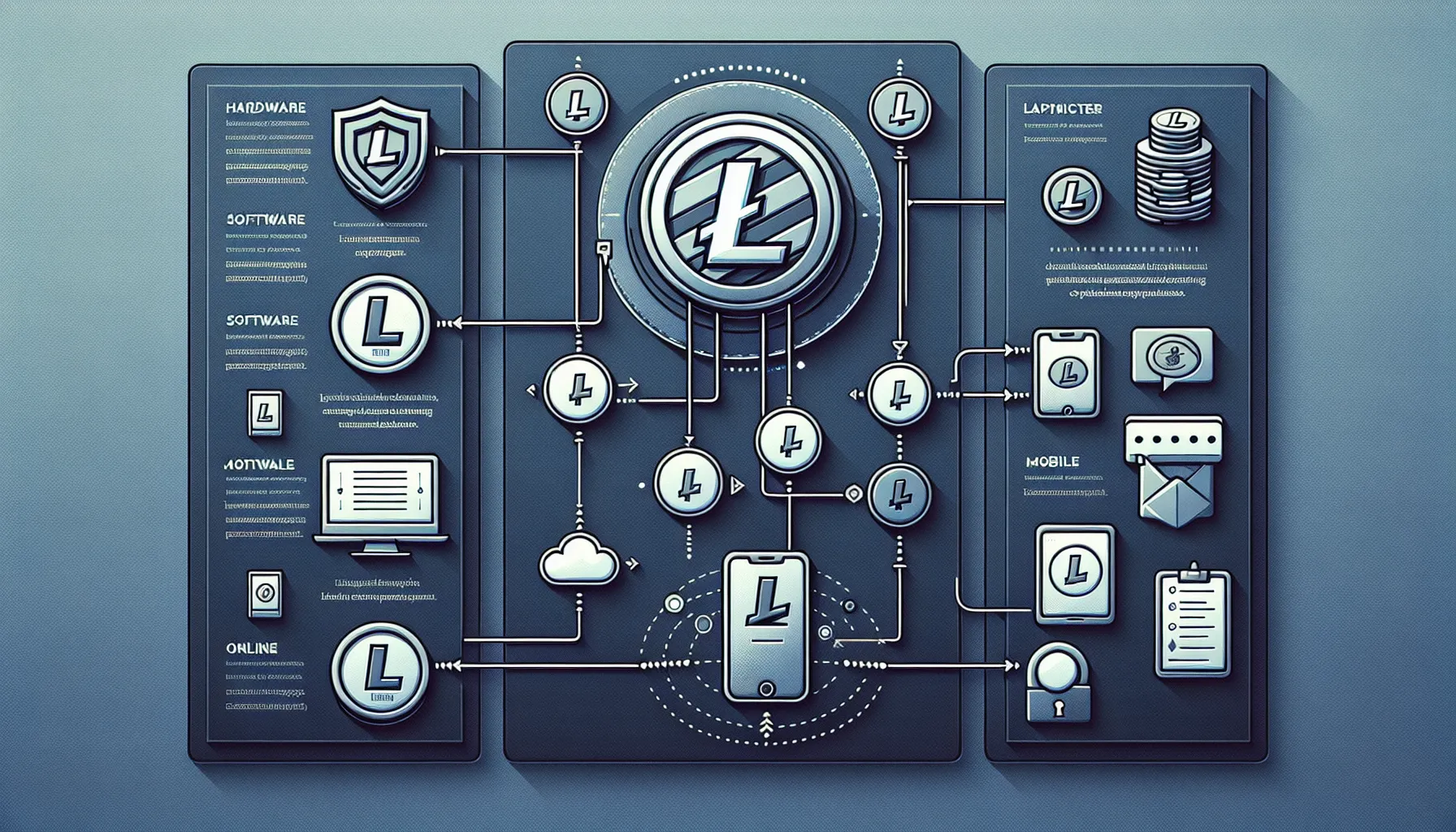
Picking the right wallet depends on how you plan to use Litecoin and how much security you need. There are three main types to consider: hardware wallets, software/mobile wallets, and online wallets.
Hardware wallets like Ledger and Trezor are physical devices that store your private keys offline. They’re the gold standard for security, especially if you’re holding a significant amount of LTC long-term. Because they’re not connected to the internet, they’re immune to hacking attempts and malware. The trade-off? They cost money upfront and aren’t as convenient for quick, everyday transactions.
Software and mobile wallets strike a balance between security and usability. Popular options like Exodus and Trust Wallet run on your computer or smartphone, making it easy to send and receive Litecoin on the go. They’re great for everyday use and smaller amounts, though they are connected to the internet, which introduces some risk if your device gets compromised.
Online or web wallets are the most accessible,just log in from any browser. But, they’re also the least secure for holding large amounts since your keys are stored on a third-party server. They’re fine for small transactions or temporary storage, but serious holders tend to avoid them for long-term use.
When choosing a wallet, think about your priorities: maximum security, daily convenience, or ease of access. Most experienced users end up with a combination,hardware for savings, mobile for spending.
Understanding Your Litecoin Address
Every Litecoin wallet generates at least one unique Litecoin address, and this is the cornerstone of any transaction. It typically starts with an “L” or “M” (for legacy and newer address formats) and looks something like a random jumble of around 26 to 35 alphanumeric characters.
Your Litecoin address is public information,it’s safe to share with anyone who needs to send you LTC. Think of it as your email address for crypto. What you should never share, but, is your private key or seed phrase. Those are like the password to your wallet: anyone with access to them can control your funds.
Some wallets let you generate multiple addresses for privacy or organizational purposes, which can be handy if you’re receiving payments from different sources and want to keep track separately. But the core concept remains the same: your address is how people find you on the Litecoin blockchain.
How to Receive Litecoin
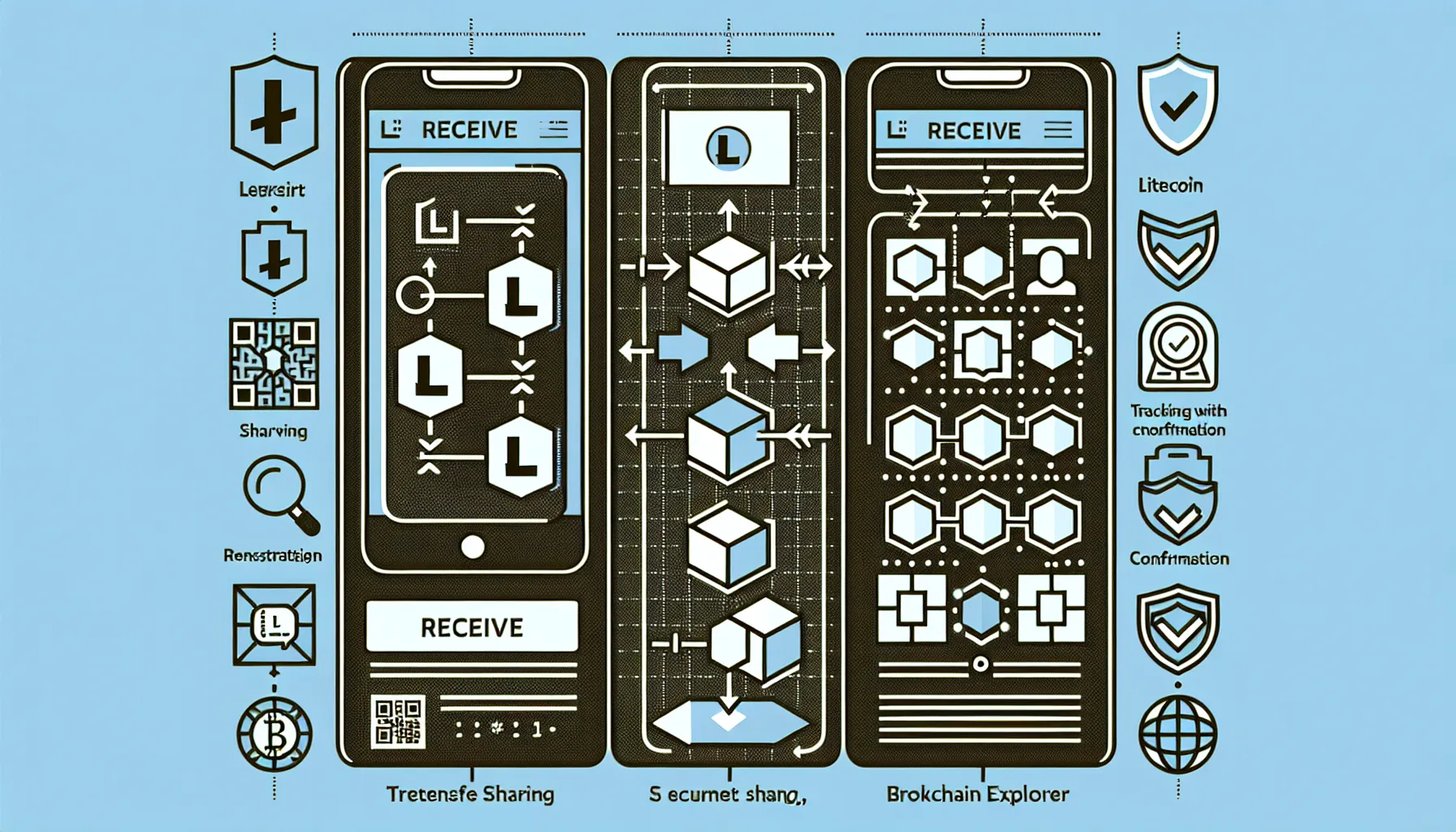
Receiving Litecoin is one of the easiest parts of using cryptocurrency. There’s no approval process, no intermediary bank, and no waiting days for funds to clear. Someone sends LTC to your address, and within minutes it’s in your wallet.
Locating Your Receiving Address
To get started, open your Litecoin wallet and look for a button or tab labelled “Receive” or something similar. This will display your unique Litecoin address, often accompanied by a QR code that represents the same information in scannable form.
Most wallets make it easy to copy the address with a single tap or click. Some will even let you customize the address label or generate a new one if you prefer not to reuse the same address for multiple transactions (which can be a good privacy practice).
If you’re receiving LTC in person, the QR code is especially handy,the sender can simply scan it with their wallet app instead of typing out a long string of characters. Less room for error that way.
Sharing Your Address Safely
Once you’ve copied your Litecoin address, you can share it but you like: text message, email, messaging app, or even verbally if you’re feeling adventurous (though that’s not recommended for accuracy). The key thing to remember is that your receiving address is safe to share publicly, but your private key or seed phrase is not.
Before hitting send on that address, double-check that you’ve copied it correctly. Crypto addresses are long and easy to misread, and a single wrong character means the funds could be lost forever. Many wallets display a checksum or let you verify the first and last few characters to confirm accuracy.
It’s also smart to test with a small amount first if you’re transacting with someone new or using a wallet for the first time. Better to lose a couple of cents than a couple hundred dollars.
Confirming Incoming Transactions
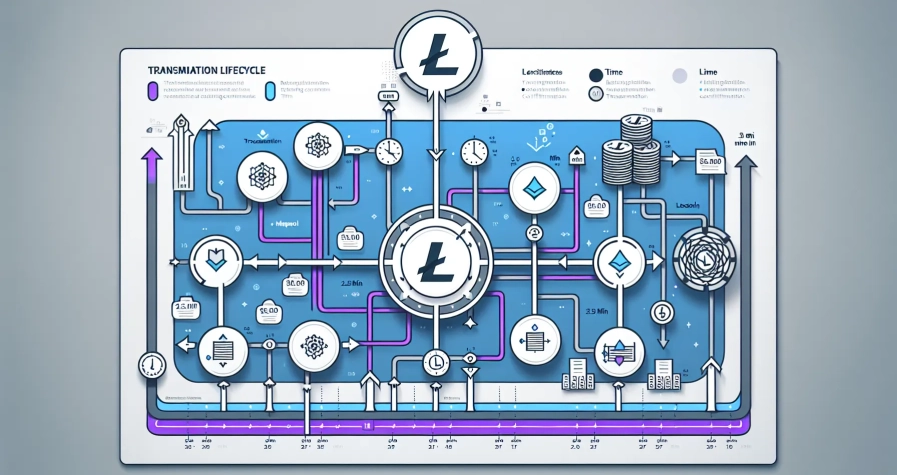
After someone sends you Litecoin, the transaction doesn’t instantly appear as “confirmed.” It first enters the Litecoin mempool (a holding area for unconfirmed transactions), then gets picked up by miners and added to a block on the blockchain.
Litecoin’s average block time is about 2.5 minutes, which is significantly faster than Bitcoin’s 10 minutes. In most cases, you’ll see at least one confirmation within a few minutes. Depending on your wallet and the amount, you might want to wait for multiple confirmations before considering the funds fully settled,especially for larger transactions.
To track the status of an incoming transaction, you can use a blockchain explorer like Blockchair or LitecoinBlockExplorer.net. Just enter your Litecoin address or the transaction ID (which the sender can provide), and you’ll see real-time details: how many confirmations it has, the amount sent, and the fee paid.
Once the transaction has a confirmation or two, the LTC is yours and ready to use.
How to Send Litecoin
Sending Litecoin is just as straightforward as receiving it, but it does require a bit more caution. Unlike traditional payment systems, cryptocurrency transactions are irreversible,once you hit send, there’s no customer service hotline to call if you made a mistake.
Entering the Recipient’s Address
Start by opening your wallet and selecting “Send” or “Transfer.” You’ll be prompted to enter the recipient’s Litecoin address. This is where accuracy matters most.
The safest approach is to copy and paste the address directly from the recipient, rather than typing it manually. Even a single typo can send your funds into the void. Some wallets also support QR code scanning, which eliminates the risk of transcription errors entirely.
Before moving forward, take a moment to verify the address. Check the first few and last few characters,if they match what the recipient provided, you’re good to go. It might feel tedious, but it’s worth the extra few seconds.
Setting the Amount and Transaction Fee
Next, enter the amount of Litecoin you want to send. Most wallets let you input this in LTC or convert it to your local currency for easier reference.
You’ll also need to set a transaction fee. Litecoin fees are famously low,averaging around $0.04 as of recent data,but the exact amount can vary depending on network congestion and how quickly you want the transaction confirmed. Many wallets suggest a default fee that balances speed and cost, though advanced users can customize it.
If you’re not in a rush, you can opt for a lower fee and wait a bit longer for confirmation. If you need the transaction to go through quickly, a slightly higher fee incentivizes miners to prioritize your transaction. Either way, Litecoin’s fees remain far cheaper than many traditional payment methods.
Reviewing and Confirming the Transaction
Before you finalize anything, review every detail: the recipient’s address, the amount, and the fee. This is your last checkpoint.
Once you’re satisfied, confirm the transaction. Depending on your wallet, you might need to enter a password, PIN, or biometric authentication. Hardware wallet users will confirm directly on the device itself.
After confirmation, your wallet will broadcast the transaction to the Litecoin network. You’ll typically receive a transaction ID (TXID) that you can use to track its progress on a blockchain explorer. From there, it’s just a matter of waiting for miners to include it in the next block.
Understanding Litecoin Transaction Fees and Speed
One of Litecoin’s biggest selling points is its combination of speed and affordability. Compared to Bitcoin, which can take 10 minutes per block and charge several dollars in fees during busy periods, Litecoin is a breath of fresh air.
Litecoin’s blockchain generates a new block roughly every 2.5 minutes, which means transactions confirm much faster on average. For everyday purchases or peer-to-peer payments, this speed makes a real difference. You’re not left waiting around wondering if the payment went through.
As for fees, Litecoin transactions typically cost just a few cents,often around $0.04 on average. Even during periods of higher network activity, fees rarely spike to the levels seen with other major cryptocurrencies. This makes Litecoin practical for small transactions where a $5 fee would be absurd.
That said, fee levels can fluctuate based on network demand. If you’re sending during a busy time, you might see slightly higher fees for faster confirmation. But overall, Litecoin’s infrastructure keeps costs low and transactions moving smoothly.
It’s also worth noting that transaction speed depends partly on how many confirmations are required by the recipient. Some exchanges or merchants may wait for three or more confirmations before considering a payment final, especially for larger amounts. But for most casual transactions, one or two confirmations are plenty.
Common Mistakes to Avoid When Transacting with Litecoin
Crypto transactions are remarkably simple once you get the hang of them, but there are a few pitfalls that trip up newcomers,and sometimes even veterans.
Sending to the wrong address is at the top of the list. Because blockchain transactions are irreversible, sending LTC to an incorrect or mistyped address means those funds are gone for good. There’s no undo button. Always double-check the recipient’s address before confirming, and consider sending a small test amount first if you’re uncertain.
Sharing private keys or seed phrases is another critical mistake. Your private key is the master password to your wallet,anyone with access to it can drain your funds. Legitimate services will never ask for your private key. If someone does, it’s a scam. The same goes for your seed phrase (the 12- or 24-word backup). Guard it like you would your bank PIN.
Skipping double-checks before confirming transactions is a surprisingly common error, especially when people are in a hurry. Take the extra ten seconds to review the address, amount, and fee. It could save you a lot of headache,and money.
Another mistake is not accounting for transaction fees. If you’re trying to send your entire wallet balance without leaving room for the fee, the transaction will fail. Always leave a little extra to cover the cost.
Finally, ignoring wallet backups is risky. If your device crashes or gets lost and you don’t have a backup of your seed phrase, your funds are unrecoverable. Write down your seed phrase, store it somewhere safe, and never take screenshots or save it digitally where it could be hacked.
Security Best Practices for Litecoin Transactions
Security should be a top priority whenever you’re dealing with cryptocurrency. Unlike a bank account, there’s no fraud department to call if something goes wrong. You are your own security team.
For starters, store significant amounts of LTC in a hardware wallet. Keeping large holdings on an exchange or online wallet is convenient but risky. Hardware wallets keep your private keys offline and out of reach from hackers, malware, and phishing attempts.
If you’re using a software or mobile wallet, make sure to enable two-factor authentication (2FA) wherever possible. This adds an extra layer of protection, requiring a second verification step (usually a code from an app like Google Authenticator) plus to your password.
Speaking of passwords, use strong, unique passwords for your wallets and related accounts. Avoid reusing passwords across services, and consider using a password manager to keep track of them securely.
Never share your private key or seed phrase with anyone,not even customer support. Scammers often pose as support agents and ask for this information. Real support teams will never need it.
Be cautious of phishing attempts. Double-check URLs before entering login credentials, and be wary of unsolicited messages or emails asking you to click links or provide information. When in doubt, navigate to the service directly rather than clicking a link.
Finally, keep your wallet software up to date. Developers regularly release security patches and improvements. Running outdated software can leave you vulnerable to known exploits.
By following these practices, you can transact with confidence, knowing your Litecoin is as secure as possible.
Conclusion
Sending and receiving Litecoin doesn’t have to be complicated. With the right wallet, a clear understanding of your Litecoin address, and a few best practices in place, anyone can handle transactions confidently and securely. Whether you’re receiving LTC for the first time or sending it across the globe, the process is fast, affordable, and straightforward,especially compared to traditional financial systems.
The key is preparation: choose a wallet that fits your needs, double-check every detail before confirming a transaction, and prioritize security at every step. Avoid common mistakes like sending to the wrong address or sharing private keys, and you’ll save yourself a lot of potential trouble.
Litecoin’s speed and low fees make it one of the most practical cryptocurrencies for everyday use. And now that you know how to send and receive it, you’re ready to take full advantage of what it has to offer. Just remember,crypto puts the power in your hands, which means the responsibility is yours too. Stay cautious, stay informed, and enjoy the freedom that comes with it.
Frequently Asked Questions
How long does it take to send and receive Litecoin?
Litecoin transactions typically confirm in about 2.5 minutes per block, which is significantly faster than Bitcoin’s 10-minute block time. Most transactions receive at least one confirmation within a few minutes, making Litecoin ideal for everyday payments.
What is a Litecoin wallet and do I need one?
A Litecoin wallet is essential software or hardware that stores your LTC and manages transactions. Without a wallet, you cannot hold or transfer Litecoin. It generates your unique address and secures your private keys for accessing your funds.
How much does it cost to send Litecoin?
Litecoin transaction fees are remarkably low, averaging around $0.04. Even during periods of high network activity, fees rarely spike significantly, making Litecoin one of the most affordable cryptocurrencies for small and large transactions alike.
Can I reverse a Litecoin transaction if I sent it to the wrong address?
No, Litecoin transactions are irreversible once confirmed on the blockchain. If you send LTC to the wrong address, there’s no way to undo it. Always double-check the recipient’s address before confirming any transaction.
What’s the difference between a Litecoin address and a private key?
Your Litecoin address is a public identifier you share to receive funds, similar to an email address. Your private key is the secret password that controls your wallet—never share it with anyone, as it grants complete access to your funds.
Is Litecoin better than Bitcoin for everyday transactions?
Litecoin offers faster transaction times at 2.5 minutes per block compared to Bitcoin’s 10 minutes, plus significantly lower fees averaging just a few cents. These advantages make Litecoin more practical for daily purchases and peer-to-peer payments.