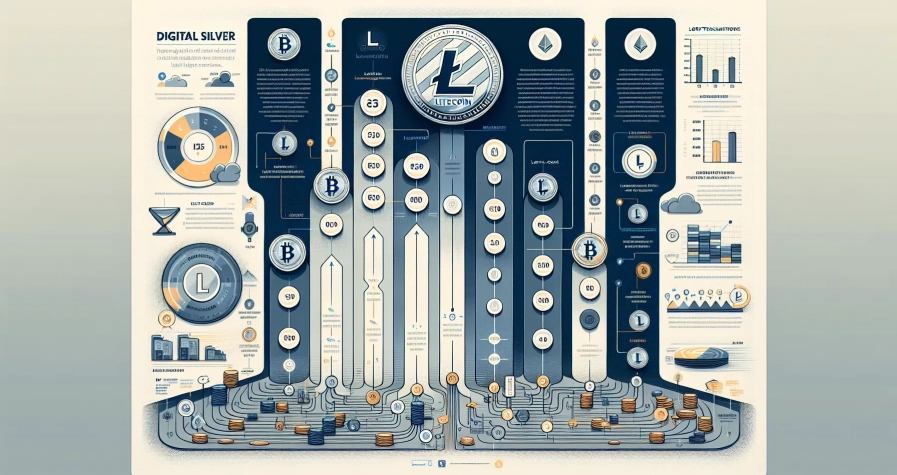
Cryptocurrency isn’t just for investors and traders anymore. More people are discovering that digital currencies can serve as practical payment methods for everyday transactions. Litecoin, often called the “silver to Bitcoin’s gold,” has emerged as one of the most user-friendly cryptocurrencies for spending,thanks to its fast transaction times, minimal fees, and growing merchant acceptance.
If someone’s curious about stepping beyond simply holding crypto and wants to actually use it for purchases, Litecoin offers an accessible entry point. Unlike Bitcoin, which can take ten minutes or longer to confirm a transaction, Litecoin processes payments in about 2.5 minutes. The fees? Usually just a few cents. For beginners wondering how to transition from owning Litecoin to spending it, this guide covers everything they need to know,from setting up a wallet to making that first purchase and avoiding common pitfalls along the way.
Key Takeaways
- Litecoin processes payments in approximately 2.5 minutes with transaction fees typically just a few cents, making it ideal for everyday purchases.
- Setting up a mobile Litecoin wallet provides the best balance of security and convenience for beginners learning how to use Litecoin for payments.
- You can spend Litecoin at growing numbers of online retailers, through crypto payment processors, or by purchasing gift cards for major stores like Amazon and Walmart.
- Always verify wallet addresses and transaction amounts before confirming, as cryptocurrency payments are irreversible and cannot be cancelled once sent.
- Enabling two-factor authentication and securely backing up your wallet recovery phrase are essential security steps when using Litecoin for spending.
- Litecoin’s low fees and fast confirmation times make it more practical than Bitcoin for small, routine transactions like coffee purchases or online subscriptions.
What Makes Litecoin Ideal for Everyday Payments
When it comes to using cryptocurrency for daily purchases, not all digital currencies are created equal. Litecoin stands out for several practical reasons that make it particularly well-suited for transactions at the checkout,whether online or in-store.
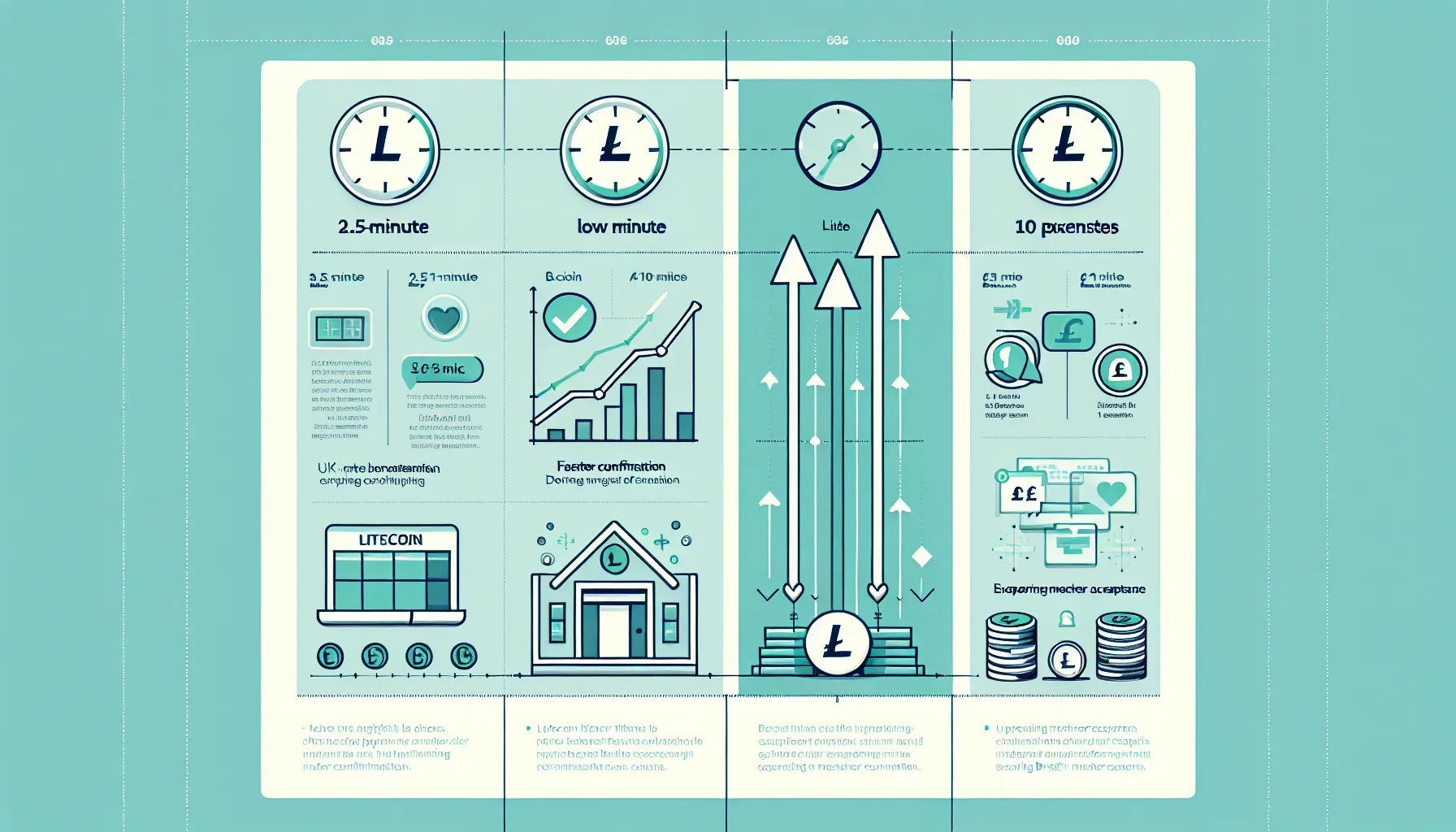
First, there’s the speed factor. Litecoin’s network generates a new block approximately every 2.5 minutes, compared to Bitcoin’s roughly 10-minute block time. What this means in real-world terms is that when someone sends Litecoin to a merchant, the transaction confirms about four times faster than Bitcoin. That quicker confirmation time translates to shorter waits at checkout and a smoother overall payment experience.
Then there are the transaction fees. While Bitcoin’s network can see fees spike during periods of high demand,sometimes reaching several dollars per transaction,Litecoin consistently maintains fees in the range of a few cents or less. For everyday purchases like a coffee, subscription service, or online order, paying pennies in fees rather than dollars makes a significant difference. It’s the kind of cost structure that actually makes sense for routine spending rather than just large transfers.
Litecoin’s merchant acceptance has been growing steadily too. More online retailers, service providers, and even physical stores now accept Litecoin directly. Payment processors that integrate cryptocurrency options increasingly include Litecoin alongside Bitcoin and other major coins, giving users more flexibility in where they can spend their digital assets.
The combination of speed, affordability, and acceptance creates a practical ecosystem for anyone interested in using crypto for real purchases instead of just speculation. For beginners testing the waters of crypto payments, Litecoin offers a gentler learning curve without sacrificing functionality.
Setting Up Your Litecoin Wallet for Spending
Before anyone can spend Litecoin, they’ll need a wallet,essentially a digital tool that stores the private keys needed to access and send their coins. The good news is that setting up a Litecoin wallet has become increasingly straightforward, with numerous options available to suit different needs and technical comfort levels.
The first step involves choosing a wallet that supports Litecoin. While Bitcoin wallets are ubiquitous, not every crypto wallet handles Litecoin, so it’s worth confirming compatibility before downloading or purchasing anything. Many modern wallets offer multi-currency support, allowing users to manage Litecoin alongside Bitcoin, Ethereum, and other cryptocurrencies in a single interface,which can simplify things considerably for anyone holding multiple types of crypto.
Key features to look for include strong backup and recovery options (crucial for preventing loss of funds), two-factor authentication for an added security layer, and a user interface that doesn’t require a computer science degree to navigate. Some wallets also offer additional conveniences like built-in exchange features or integration with payment services.
Choosing the Right Wallet Type
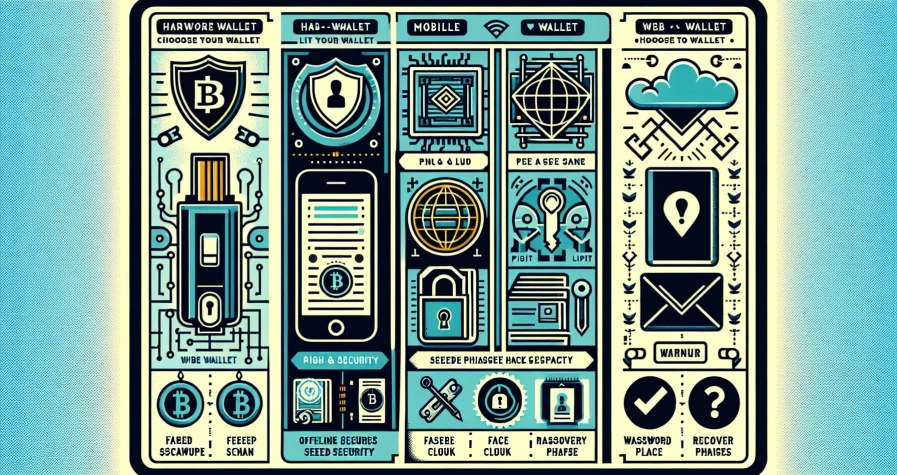
The wallet landscape breaks down into three main categories, each with distinct trade-offs between security and convenience.
Hardware wallets are physical devices that store private keys offline, making them highly resistant to hacking or malware. They’re the gold standard for security and are best suited for storing larger amounts of Litecoin or funds meant for long-term holding. The downside? They typically cost between $50 and $200, and accessing funds requires having the device on hand, which makes them less convenient for spontaneous purchases.
Software wallets come in desktop and mobile versions. Mobile wallets, in particular, shine for everyday spending,they live on a smartphone, making it easy to scan QR codes at checkout or quickly send payments while shopping online. Desktop wallets offer similar functionality with a larger interface, which some users prefer for managing transactions. Software wallets strike a reasonable balance between security and accessibility, though they’re more vulnerable than hardware options since they connect to the internet.
Web wallets run entirely through a browser and often integrate with cryptocurrency exchanges. They’re the most convenient option,accessible from any device with internet,but they also require trusting a third party with security. For small amounts used for frequent spending, web wallets work fine. For larger holdings, they’re generally not recommended.
For beginners planning to use Litecoin for payments, a mobile wallet usually hits the sweet spot: secure enough for reasonable amounts, convenient enough for everyday use, and easy to set up without technical expertise.
Securing Your Wallet and Private Keys
Once a wallet is set up, security becomes paramount. Unlike traditional banking, there’s no customer service number to call if something goes wrong,if someone loses access to their wallet or has their private keys stolen, those funds are typically gone for good.
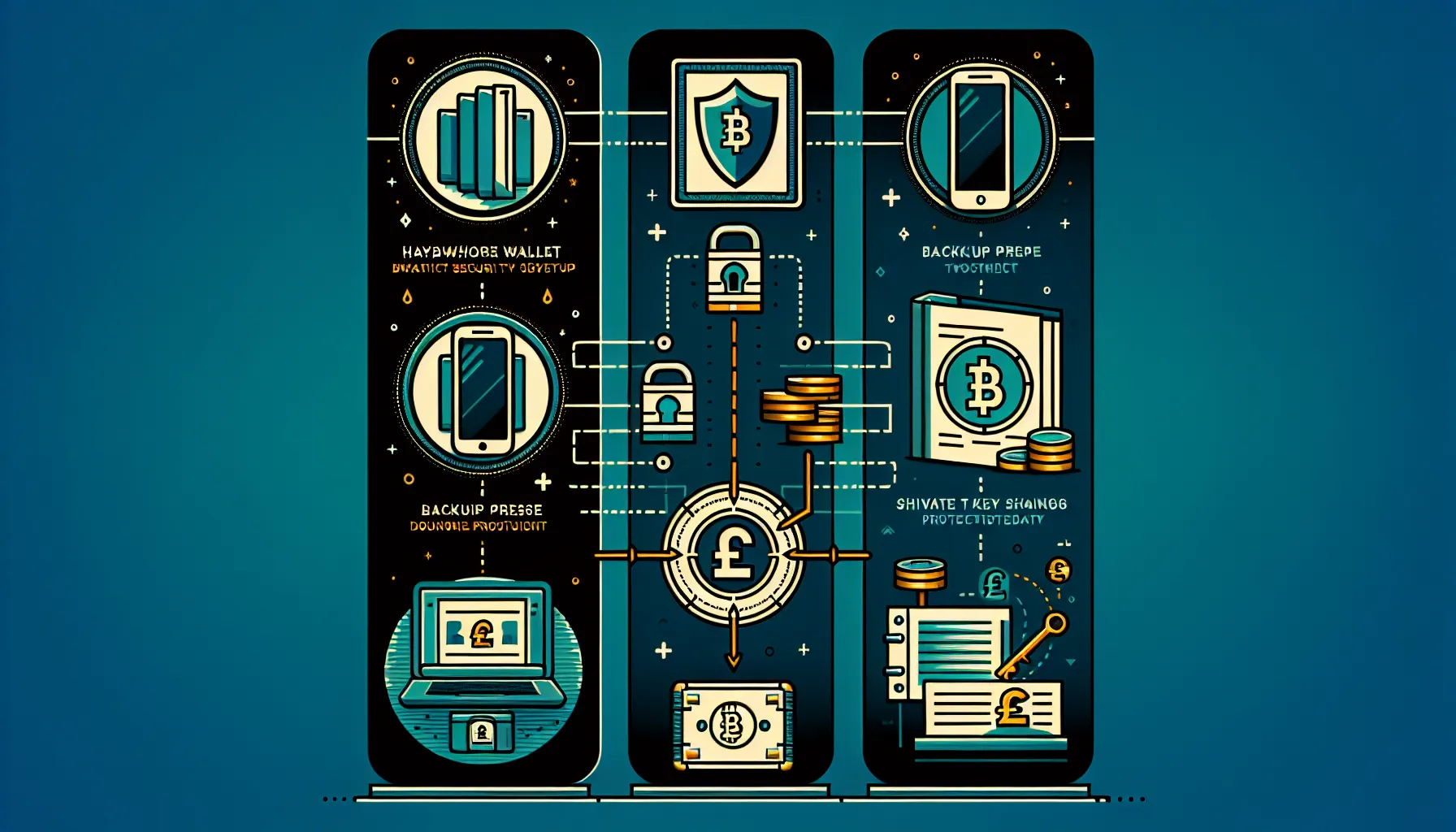
Enabling two-factor authentication (2FA) should be among the first steps. This adds a second verification layer beyond just a password, usually through an authenticator app or SMS code. Even if someone’s password is compromised, 2FA provides an additional barrier against unauthorized access.
Regularly backing up the wallet is equally critical. Most wallets generate a recovery phrase,typically 12 to 24 words,during initial setup. This phrase can restore access to funds if a device is lost, damaged, or stolen. The recovery phrase should be written down (not stored digitally where it could be hacked) and kept in a secure physical location. Some people split the phrase between multiple locations for added security.
The golden rule: never share private keys with anyone. Legitimate services will never ask for them. Any message, email, or website requesting private keys is a scam, no exceptions. For maximum security, private keys should remain offline whenever possible, which is exactly what hardware wallets accomplish.
Taking these precautions might feel like overkill at first, but they’re standard practice in the crypto world. The decentralized nature that makes cryptocurrency appealing also means users bear full responsibility for security,a trade-off worth understanding from the start.
Where You Can Spend Litecoin
Having Litecoin and a secure wallet is one thing: knowing where to actually spend it is another. The merchant ecosystem accepting Litecoin has expanded considerably over recent years, though it still doesn’t match the ubiquity of traditional payment methods. That said, for everyday purchases, there are more options than many beginners might expect.
Online Retailers and E-Commerce Platforms
The digital realm offers the broadest acceptance of Litecoin. A growing number of e-commerce stores have integrated cryptocurrency payment options, either natively or through third-party payment processors. These processors act as intermediaries, allowing merchants to accept crypto payments that can be automatically converted to fiat currency if desired,reducing the merchant’s exposure to price volatility while expanding payment options for customers.
Major payment processors like BitPay and CoinGate support Litecoin, and merchants using these services span various industries: electronics, digital services, gaming, hosting providers, and more. Some larger retailers experimenting with crypto acceptance include Litecoin in their supported currencies, particularly in the tech and digital goods sectors where early adoption tends to occur.
Another practical avenue is purchasing gift cards with Litecoin. Several platforms allow users to buy gift cards for major retailers,Amazon, Walmart, Target, and countless others,using Litecoin. This effectively enables indirect spending at any store that sells gift cards, dramatically expanding where Litecoin can be used. It adds an extra step to the process, but it’s a workaround that bridges the gap until direct acceptance becomes more widespread.
Physical Stores and Point-of-Sale Systems
Physical retail acceptance remains less common but is slowly growing. Some forward-thinking businesses,particularly in tech-savvy cities or areas with strong crypto communities,have begun accepting Litecoin directly at the register. This typically involves the customer scanning a QR code displayed on the merchant’s point-of-sale system, entering the payment amount in their wallet app, and confirming the transaction.
Crypto-friendly payment terminals and tablet-based POS systems have made it easier for brick-and-mortar stores to integrate cryptocurrency payments without major infrastructure overhauls. For small businesses, the appeal often lies in lower processing fees compared to traditional credit card networks, which can charge 2-3% per transaction.
Certain industries show stronger adoption than others. Coffee shops, restaurants, travel services, and independent retailers,especially those with tech-oriented customer bases,are more likely to accept crypto payments. Mapping services and directories (such as Coinmap) help users locate nearby businesses that accept Litecoin and other cryptocurrencies, which can be handy when traveling or exploring new areas.
While physical acceptance hasn’t reached mainstream levels yet, the infrastructure is developing. As payment systems become more integrated and user-friendly, and as more consumers express interest in paying with crypto, merchant adoption will likely continue its upward trend.
Making Your First Litecoin Payment
For someone who’s never sent cryptocurrency before, that first payment can feel a bit nerve-wracking. But the actual process is straightforward once walked through step by step. Most Litecoin transactions follow a similar pattern whether shopping online or in person.
The process typically begins at checkout. When a merchant accepts Litecoin, they’ll display a payment option labelled as such,sometimes alongside other crypto options like Bitcoin or Ethereum. Selecting Litecoin as the payment method triggers the merchant’s system to generate a payment request, which usually includes the exact amount due and the merchant’s wallet address.
Scanning QR Codes and Entering Wallet Addresses
The easiest way to complete a Litecoin payment is by scanning a QR code. The merchant will display a QR code (on a screen for in-person purchases, or on the checkout page for online orders) that contains all the necessary payment information: the recipient’s wallet address and the transaction amount.
Opening a Litecoin wallet app and selecting the “Send” or “Pay” option typically activates the device’s camera for QR scanning. Pointing the camera at the merchant’s QR code automatically populates the wallet address and amount,no typing required. This method minimizes errors since manually entering long wallet addresses leaves room for typos that could send funds to the wrong destination.
If a QR code isn’t available, the alternative is manual entry. The merchant will provide their Litecoin wallet address,a string of alphanumeric characters starting with “L” or “M” (depending on address format). This address needs to be entered into the wallet app’s recipient field, along with the payment amount. Copy-pasting is safer than typing when possible, and double-checking every character is essential since blockchain transactions can’t be reversed.
Some wallet apps also support address book features, allowing users to save frequently used addresses (like a favorite online store) for quicker access in future transactions.
Confirming Transaction Details and Fees
Before hitting that final “Send” button, a careful review of the transaction details is crucial. The wallet app will display a confirmation screen showing:
- Recipient address: Verify it matches the merchant’s provided address
- Amount: Confirm it matches the purchase total
- Network fee: Usually just a few cents for Litecoin, but worth checking
- Total: The sum of the payment amount plus the network fee
Taking a moment to verify these details can prevent costly mistakes. Sending crypto to the wrong address means those funds are likely unrecoverable,there’s no “undo” button in blockchain transactions.
The network fee (sometimes called a transaction fee or miner fee) compensates the network nodes that process and confirm the transaction. With Litecoin, these fees are typically very low,often between $0.01 and $0.10,but they can fluctuate slightly based on network activity. Some wallets allow users to adjust the fee manually, choosing between faster confirmation (slightly higher fee) or slower confirmation (lower fee). For most everyday purchases, the default fee setting works fine.
Once everything checks out, confirming the transaction sends it to the Litecoin network. Most wallet apps will display a transaction ID and a status indicator. The merchant’s system usually detects the incoming payment within seconds, and the transaction receives its first confirmation in about 2.5 minutes on average. Depending on the merchant’s policy, they may wait for one or more confirmations before considering the payment complete,but the wait is still significantly shorter than with many other cryptocurrencies.
After the first successful payment, subsequent transactions become routine. The initial nervousness fades quickly once someone realizes the process is actually simpler than it might have seemed.
Understanding Litecoin Transaction Fees and Speed
One of Litecoin’s strongest selling points for payments is its favorable economics: transactions that confirm quickly without very costly on fees. Understanding how these elements work helps users set realistic expectations and make informed decisions when spending their crypto.
Litecoin transaction fees are remarkably low compared to many other cryptocurrencies. In most cases, sending Litecoin costs less than ten cents,often just a penny or two. This fee structure makes Litecoin practical even for small purchases where higher fees would be prohibitive. Imagine buying a $3 coffee with a payment method that charges $5 in fees,it wouldn’t make sense. With Litecoin’s minimal costs, the economics work even for modest transactions.
These fees aren’t set by a central authority but emerge from market dynamics within the network. Users can technically set their own fee when sending a transaction, but wallets typically calculate an appropriate fee automatically based on current network conditions. During periods of heavy network usage, fees might tick slightly higher to prioritize transactions, but they still remain far lower than Bitcoin’s fees during comparable congestion.
The speed advantage is equally impressive. Litecoin’s blockchain generates a new block approximately every 2.5 minutes,four times faster than Bitcoin’s 10-minute block time. When someone sends Litecoin, the transaction gets bundled into the next block, meaning first confirmation usually arrives within a few minutes. Many merchants consider a payment complete after just one confirmation, though some (particularly for larger purchases) might wait for additional confirmations to ensure security.
From a user experience standpoint, this speed approaches traditional payment methods. It’s not quite as instantaneous as tapping a credit card, but it’s fast enough that the wait doesn’t become frustrating. Standing at a checkout counter, a Litecoin transaction typically confirms well before someone could complete the equivalent paperwork for a bank wire or check.
The combination of speed and low fees is what makes Litecoin particularly practical for everyday use cases. It occupies a sweet spot where transactions confirm quickly enough for retail scenarios but don’t sacrifice the security and decentralization that make cryptocurrency valuable in the first place.
Converting Litecoin to Fiat Currency When Needed
While spending Litecoin directly at merchants is increasingly possible, there are times when converting to traditional currency makes more sense,especially when a desired merchant doesn’t accept crypto or when someone needs cash for expenses that simply aren’t crypto-friendly yet.
The most common avenue for conversion is through cryptocurrency exchanges. Most major exchanges that support Litecoin allow users to sell their LTC for fiat currencies like USD, EUR, GBP, or others, depending on the exchange’s supported markets. The process typically involves:
- Depositing Litecoin from a personal wallet to the exchange wallet
- Placing a sell order for the desired fiat currency
- Withdrawing the fiat funds to a linked bank account
Exchanges charge fees for these services, usually a small percentage of the transaction amount plus potential withdrawal fees. The entire process,from sending Litecoin to receiving fiat in a bank account,can take anywhere from a few hours to several business days, depending on the exchange and the banking system involved.
Another option is crypto payment processors and debit cards. Some services offer cryptocurrency debit cards that automatically convert crypto to fiat at the point of sale. Users load Litecoin onto the card, and when they swipe it at any regular merchant, the service converts the necessary amount to local currency on the spot. This approach offers maximum flexibility since it works anywhere traditional cards are accepted, effectively turning any merchant into one that “accepts” Litecoin indirectly.
Peer-to-peer (P2P) platforms provide yet another conversion route. These services connect individuals looking to buy Litecoin with those looking to sell, often supporting various payment methods including bank transfers, PayPal, or even cash meetings for local transactions. P2P trading can sometimes offer better rates than exchanges, though it requires more caution about counterparty trustworthiness.
The conversion option someone chooses often depends on their specific needs: urgency, desired payment method, amount being converted, and acceptable fees. Having multiple pathways available provides flexibility, ensuring that even if direct Litecoin spending isn’t possible, accessing the value stored in LTC remains straightforward.
Common Mistakes to Avoid When Spending Litecoin
Even with straightforward processes, beginners sometimes stumble into avoidable pitfalls when making their first Litecoin payments. Awareness of these common mistakes can save both money and frustration.
Sending to incorrect or incompatible addresses ranks as perhaps the most costly error. Cryptocurrency transactions are irreversible,once sent, they can’t be cancelled or recalled like a mistaken bank transfer might be. Sending Litecoin to a Bitcoin address (or vice versa) usually results in permanent loss of those funds. Even a single mistyped character in a manually entered address can send funds into the void. The best practice is always using QR codes when available and meticulously verifying every character when manual entry is necessary. Some wallets offer address validation that flags obvious errors, but nothing replaces careful personal verification.
Failing to verify transaction details before confirming is another frequent mistake. In the rush of checkout, it’s tempting to quickly tap “confirm” without reviewing the amount and recipient. But a misplaced decimal point or an extra zero could mean sending ten times the intended amount. Taking five seconds to verify that the displayed amount matches the purchase price and the address matches the merchant’s information prevents regrettable errors.
Neglecting wallet security creates vulnerability. Using wallets without two-factor authentication enabled, failing to back up recovery phrases, or storing backup information digitally where it could be compromised all represent security gaps. The decentralized nature of cryptocurrency means no authority can restore lost access or reverse fraudulent transactions. Personal responsibility for security isn’t optional,it’s fundamental.
Ignoring network fees can lead to surprises. While Litecoin fees are low, they do exist. Some beginners assume the displayed purchase amount is the total they’ll pay, then notice their wallet balance decreased by slightly more after including the network fee. Checking the total amount (purchase price plus fee) before confirming prevents confusion.
Not waiting for confirmation before leaving a transaction can cause issues, particularly for in-person purchases. While most transactions broadcast to the network within seconds, they aren’t truly complete until confirmed in a block. Merchant systems usually detect pending transactions quickly, but waiting for that first confirmation,typically just a couple of minutes with Litecoin,ensures everything processed correctly.
Using insecure networks when making payments poses security risks. Sending cryptocurrency transactions over public WiFi in a coffee shop or airport could potentially expose wallet data to malicious actors monitoring the network. When possible, using mobile data or a trusted network for crypto transactions adds a security layer.
Avoiding these mistakes mostly comes down to being deliberate and careful rather than rushed, maintaining good security hygiene, and understanding that crypto transactions lack the safety nets many people take for granted with traditional payment systems. The trade-off for decentralization and control is personal responsibility,but with reasonable caution, the risks remain manageable.
Conclusion
Litecoin has carved out a practical niche in the cryptocurrency ecosystem as a genuinely usable payment method rather than just a speculative asset. Its combination of fast confirmation times, minimal transaction fees, and growing merchant acceptance creates a viable alternative to traditional payment methods for those willing to navigate the learning curve.
For beginners taking their first steps into spending cryptocurrency, Litecoin offers an accessible entry point. The technical requirements aren’t overwhelming,setting up a mobile wallet takes minutes, and making payments becomes intuitive after the first few transactions. The key is starting with small amounts, practicing good security habits from the beginning, and approaching those first payments with careful attention to detail.
The cryptocurrency payment landscape continues evolving. More merchants are integrating crypto options, wallet interfaces keep improving, and the infrastructure supporting everyday crypto use becomes more robust. Litecoin’s practical advantages position it well within this developing ecosystem.
Whether someone’s philosophically drawn to decentralized currency, attracted by lower fees, interested in borderless payments, or simply curious about using crypto for real purchases, Litecoin provides a functional platform to explore. The technology works,it just requires users to accept the responsibility that comes with being their own bank. For those willing to take that step, spending Litecoin opens up a different approach to digital payments, one where transactions happen peer-to-peer without traditional financial intermediaries.
As with most new skills, confidence builds with practice. That first payment might feel uncertain, but the tenth becomes routine. And that’s eventually the point: transforming cryptocurrency from an abstract concept into a practical tool for everyday transactions.
Frequently Asked Questions
How long does a Litecoin payment take to confirm?
Litecoin transactions typically confirm in about 2.5 minutes, which is approximately four times faster than Bitcoin. Most merchants accept payments after just one confirmation, making Litecoin practical for everyday purchases at checkout.
What are the transaction fees for using Litecoin for payments?
Litecoin transaction fees are remarkably low, usually ranging from one to ten cents per transaction. This minimal cost structure makes Litecoin economical even for small purchases like coffee or online subscriptions, unlike Bitcoin’s higher fees.
What type of wallet is best for spending Litecoin regularly?
Mobile wallets are ideal for everyday Litecoin spending. They offer convenient access through your smartphone, allow easy QR code scanning at checkout, and strike a good balance between security and accessibility for frequent transactions.
Can I use Litecoin at regular stores that don’t accept cryptocurrency?
Yes, you can purchase gift cards for major retailers like Amazon, Walmart, and Target using Litecoin through specialized platforms. Alternatively, crypto debit cards automatically convert Litecoin to fiat currency at any merchant accepting traditional cards.
Is Litecoin safer to use for payments than Bitcoin?
Both cryptocurrencies offer similar security features, but Litecoin’s faster confirmation times can actually enhance security for merchants by reducing exposure to double-spending attacks. The security level depends more on proper wallet management than the specific cryptocurrency used.
What happens if I send Litecoin to the wrong wallet address?
Cryptocurrency transactions are irreversible, so sending Litecoin to an incorrect address typically results in permanent loss of funds. Always verify wallet addresses carefully, use QR codes when available, and double-check transaction details before confirming.